Yuma County joins new opioid settlement, future payments to fund treatment
Yuma County signed onto a new opioid settlement that could pay out for up to 18 years, with local governments controlling how the money is spent. Residents will be watching whether it reaches treatment, prevention and naloxone access.
Yuma County has joined a second round of opioid settlements, a move that could send money into treatment, prevention and education programs for years to come while adding another layer of accountability over where the dollars go.
The Yuma County Board of Supervisors approved the new national settlement on April 23, expanding the county’s role in a sweeping agreement structure that Arizona says will distribute about $1.194 billion over 18 years. Under the One Arizona Agreement, 56% of the settlement money goes to counties, cities and towns, while 44% goes to the state.
For Yuma County, the money will not stay in one place. County officials said the settlement dollars will be shared across the region, with part staying in Yuma County and the rest flowing to Somerton, Wellton, San Luis and Yuma. That makes the deal a countywide issue, not just a legal action handled in the county seat.
This settlement also comes with a tradeoff: Yuma County will give up future claims against six more pharmaceutical companies in exchange for payments that can be spread out over one year to as many as 18 years. The broader national settlement structure already includes distributors, manufacturers, pharmacy chains and pharmacy benefit managers, among them McKesson, Cardinal Health, Cencora, Janssen, Mallinckrodt, Teva, Walmart, CVS, Walgreens, Endo, Kroger and Purdue.
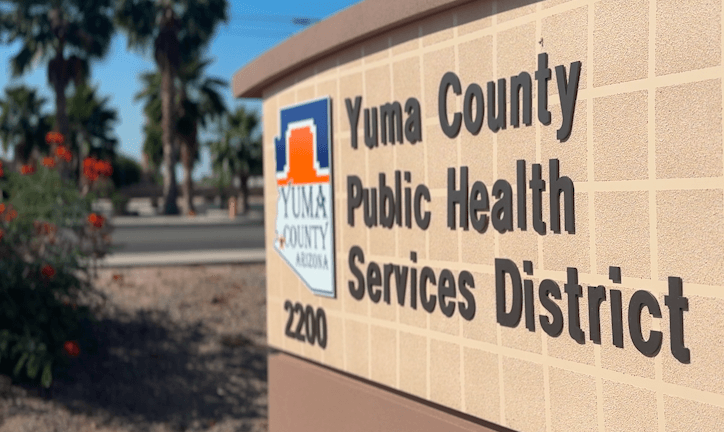
The real test for residents will be whether the money changes what is available on the ground. Arizona’s settlement framework is built on a regional model that lets local governments control their own funds and requires annual reporting on how the money is spent. Yuma County already has a public health roadmap in place: the Yuma County Public Health Services District developed a Community Health Assessment and Community Health Improvement Plan in 2023 with local organizations and stakeholders, giving officials a framework for deciding where opioid dollars should land.

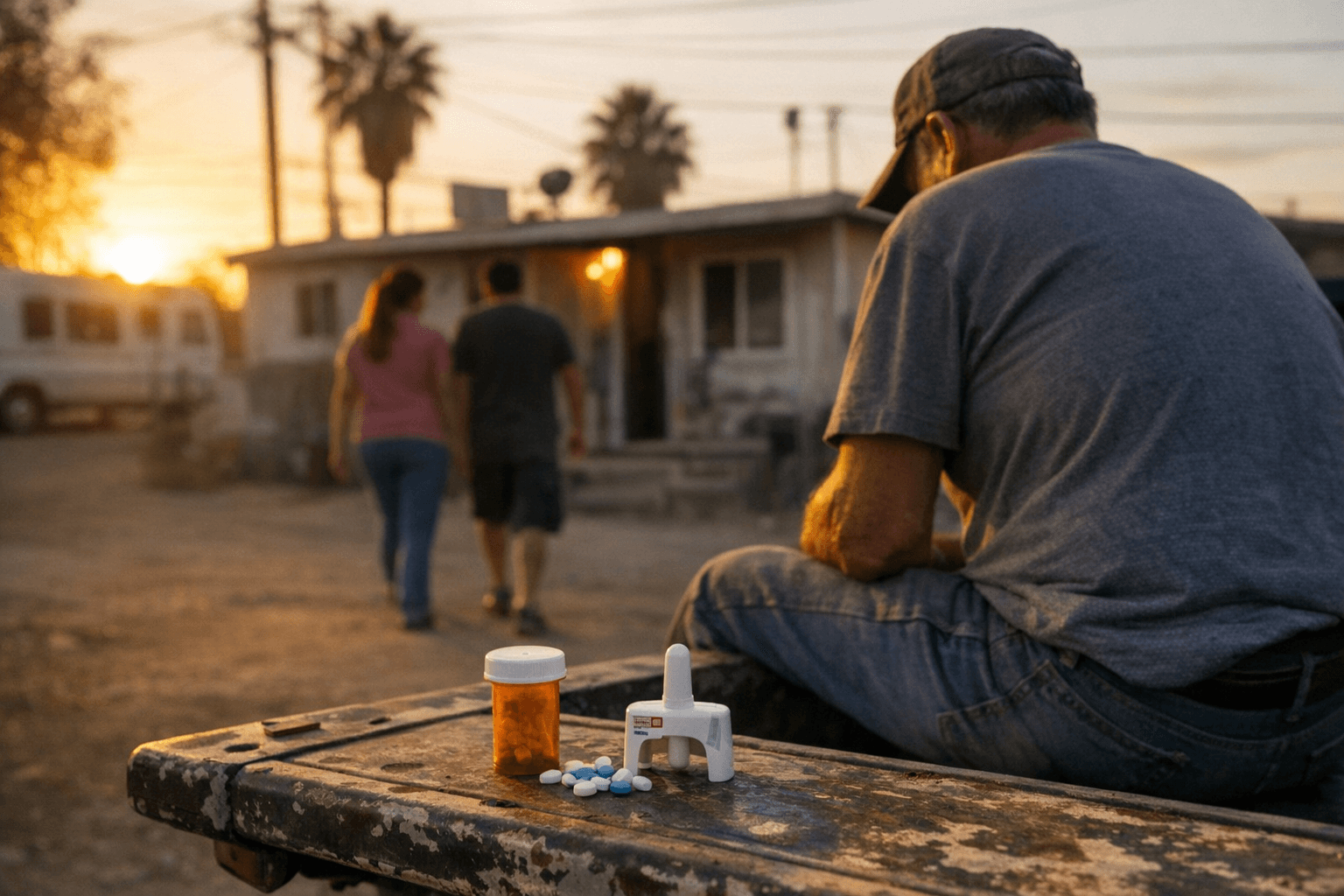
That matters in a county where the overdose threat remains immediate. Arizona health officials say more than five people die every day from opioid overdoses in the state, and the Arizona Department of Health Services says naloxone, also known as Narcan, can reverse an opioid overdose and is available free at sites across Arizona. Health leaders have warned that opioids can be easy to access and may be mixed with fentanyl, where even a very small amount can be deadly.
Yuma County’s first settlement in 2021 brought money into the same fight. The question now is whether this second round produces visible results in treatment access, overdose prevention and public education, or whether the region finds itself still waiting for the payoff years after the legal victories have been signed.
This article was produced by Prism’s automated news system from verified source data, official records, and press releases, then run through automated quality and moderation checks before publishing. The system is built and supervised by the people who set the standards it runs under. Read our full AI policy.
Did this article answer your question?