Yuma County residents push for action on California waste dumping concerns
Yuma County growers and residents say California biosolids on south county farmland threaten water confidence, crop markets and land values. County leaders are pressing for state and EPA scrutiny.

The fight over biosolids in southern Yuma County has moved from an environmental dispute to a political one, with residents, growers and county officials warning that what is spread on farm land could shape land values, water confidence and the reputation of Yuma County produce. At issue is treated sewage sludge, called biosolids by the U.S. Environmental Protection Agency, that is intended for land application as a soil conditioner or fertilizer.
County leaders say the concern stretches across decades and far beyond one board term. Yuma County says biosolids operations in southern Yuma County predate the current Board of Supervisors by more than 40 years, and that it has spent years pressing the issue through letters, inspections, legislative advocacy, coordination with state agencies and monitoring support. The county says residents and agricultural producers have reported overwhelming odors, severe fly infestations, dust and debris, along with broader quality-of-life concerns tied to biosolids activity on state land.
The transparency gap has become central to the backlash. Yuma County says the material being handled at the local operation reportedly originates in California and in cities within Yuma County, and residents have questioned why Arizona and California treatment standards and regulatory requirements appear to differ. County officials say primary authority over biosolids permitting, State Trust Land leasing and environmental enforcement rests with state agencies, not the county, leaving many of the most basic questions about oversight, testing and enforcement unanswered in public view.
That frustration helped push local leaders to meet with Rep. Andy Biggs and to seek stronger federal attention. County officials say they want the U.S. Environmental Protection Agency involved to protect water and crops. The county’s own biosolids page says the Board of Supervisors has maintained a consistent position opposing the continued importation of California biosolids into Yuma County.
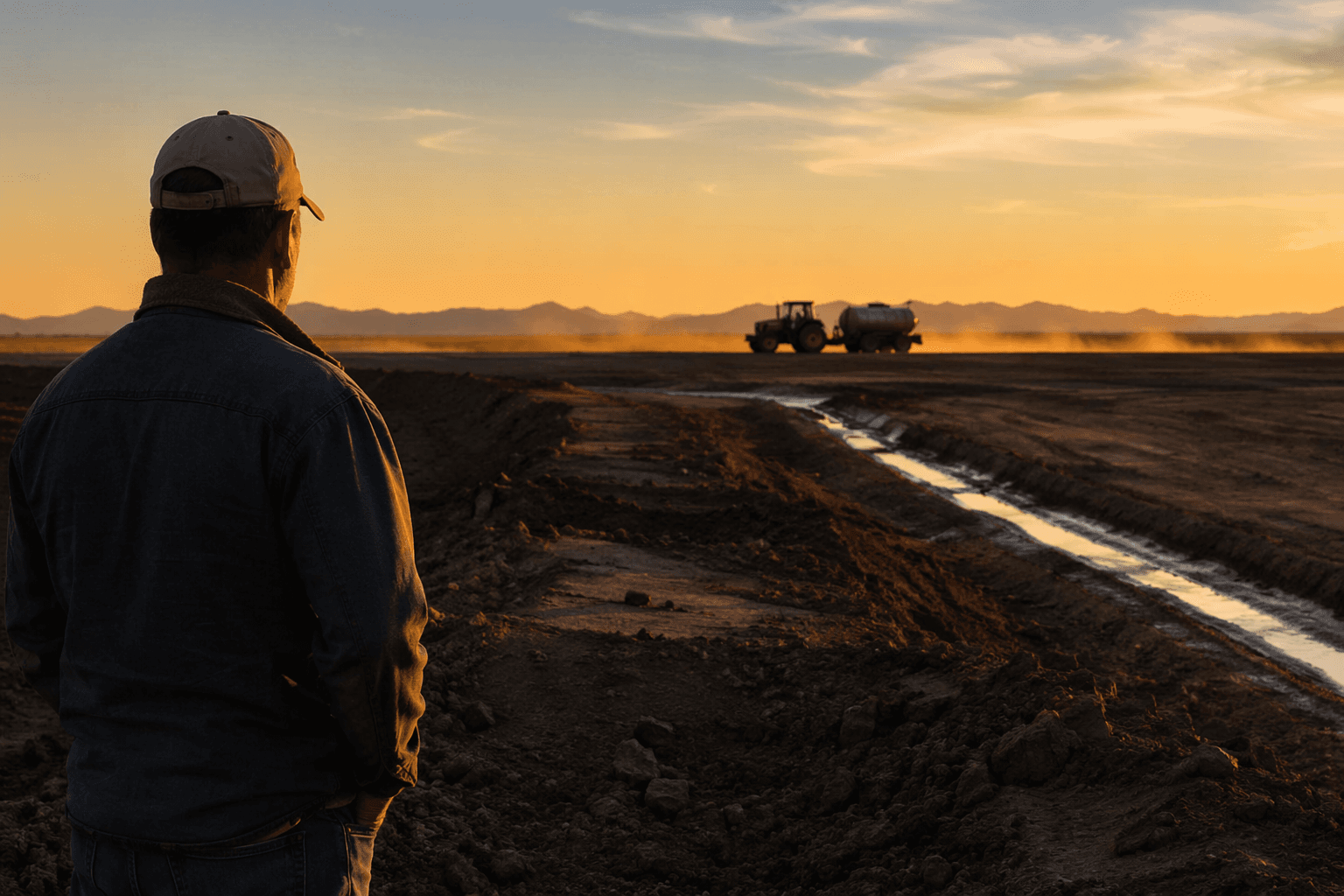
The issue is not abstract. In December 2025, Yuma County asked the Arizona State Land Department to terminate AG Tech LLC’s lease, saying nearby residents, agricultural producers and other stakeholders had experienced persistent nuisances from the company’s operations. By April 2026, county leaders were still pressing the case at board meetings and public comment sessions, and a biosolids meeting was planned for April 7 at 9 a.m. at the Yuma County Auditorium on Main Street.
The broader regulatory picture has added urgency. The EPA says sewage sludge may contain PFAS and other contaminants from upstream dischargers, and on November 12, 2024, it announced a $610,000 civil penalty settlement with Denali Water Solutions, LLC over alleged overapplication of biosolids in Arizona and southern California since at least 2016. The agency said that kind of overapplication can send nitrogen and other pollutants into groundwater or runoff into surface waters. University of Arizona researchers have also pointed to Pima County’s 2020 biosolids moratorium, one of the first in the country, as evidence that the debate is now statewide and likely to stay on the ballot and in the boardroom alike.
This article was produced by Prism’s automated news system from verified source data, official records, and press releases, then run through automated quality and moderation checks before publishing. The system is built and supervised by the people who set the standards it runs under. Read our full AI policy.
Know something we missed? Have a correction or additional information?
Submit a Tip