Yuma County residents urged to check for bird nests before trimming trees
Yuma County crews are being told to look for active nests before cutting. Nesting season can run from February through August, and destroying protected nests can trigger federal penalties.
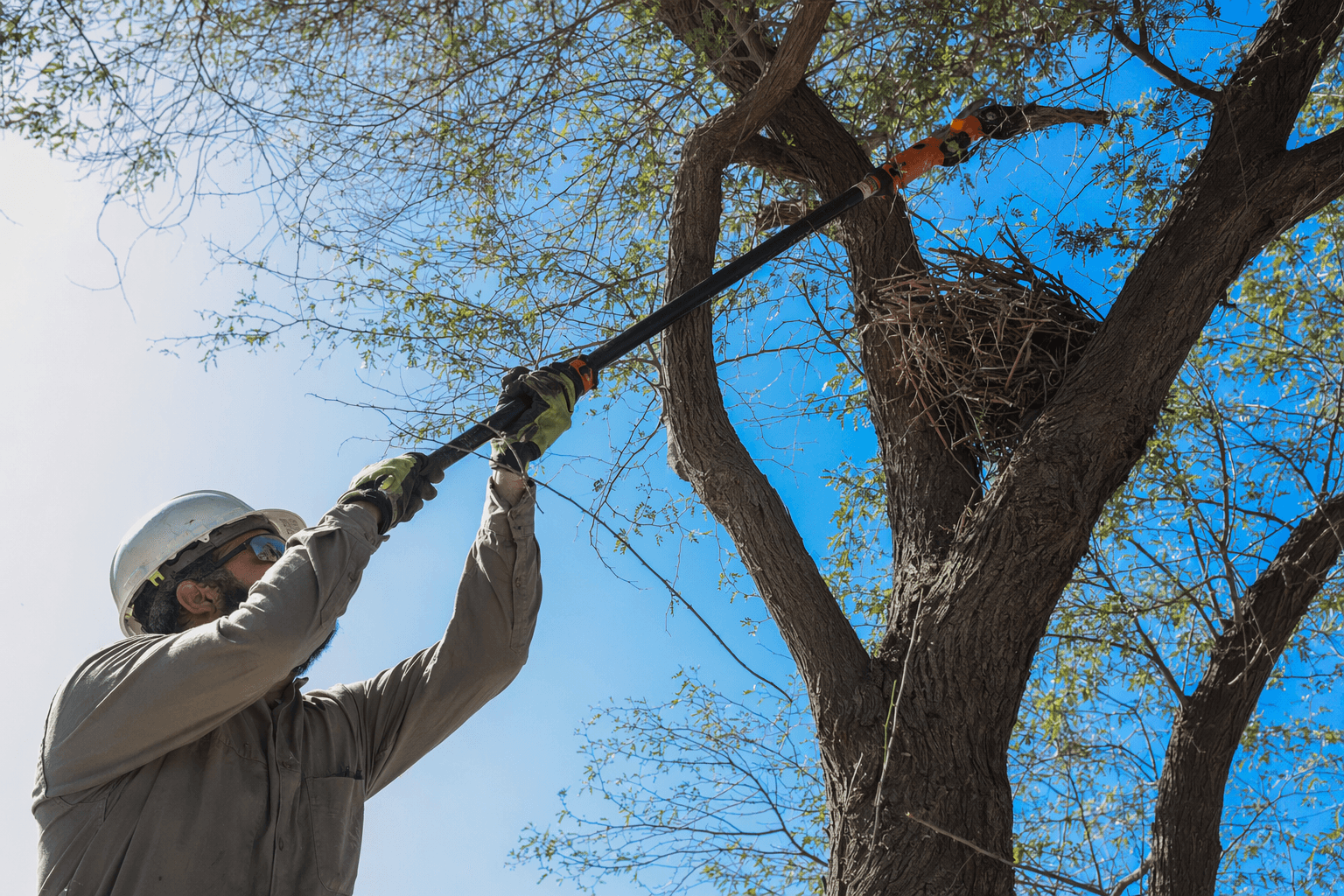
Tree trimming across Yuma County is drawing a seasonal warning from wildlife officials: stop and check for nests before any cut can bring down baby birds. Local rehabilitation workers say they see displaced nestlings every year, a recurring problem that turns routine yard work into a wildlife rescue.
The risk is highest during Arizona’s primary nesting season, which typically runs from February 1 through August 31. Officials say some species nest outside that window, but early heat in the desert can push birds to start sooner than many homeowners expect. That makes spring and summer trimming especially sensitive in Yuma, where cottonwoods, willows and other trees along the Colorado River and Gila River corridors provide key habitat.
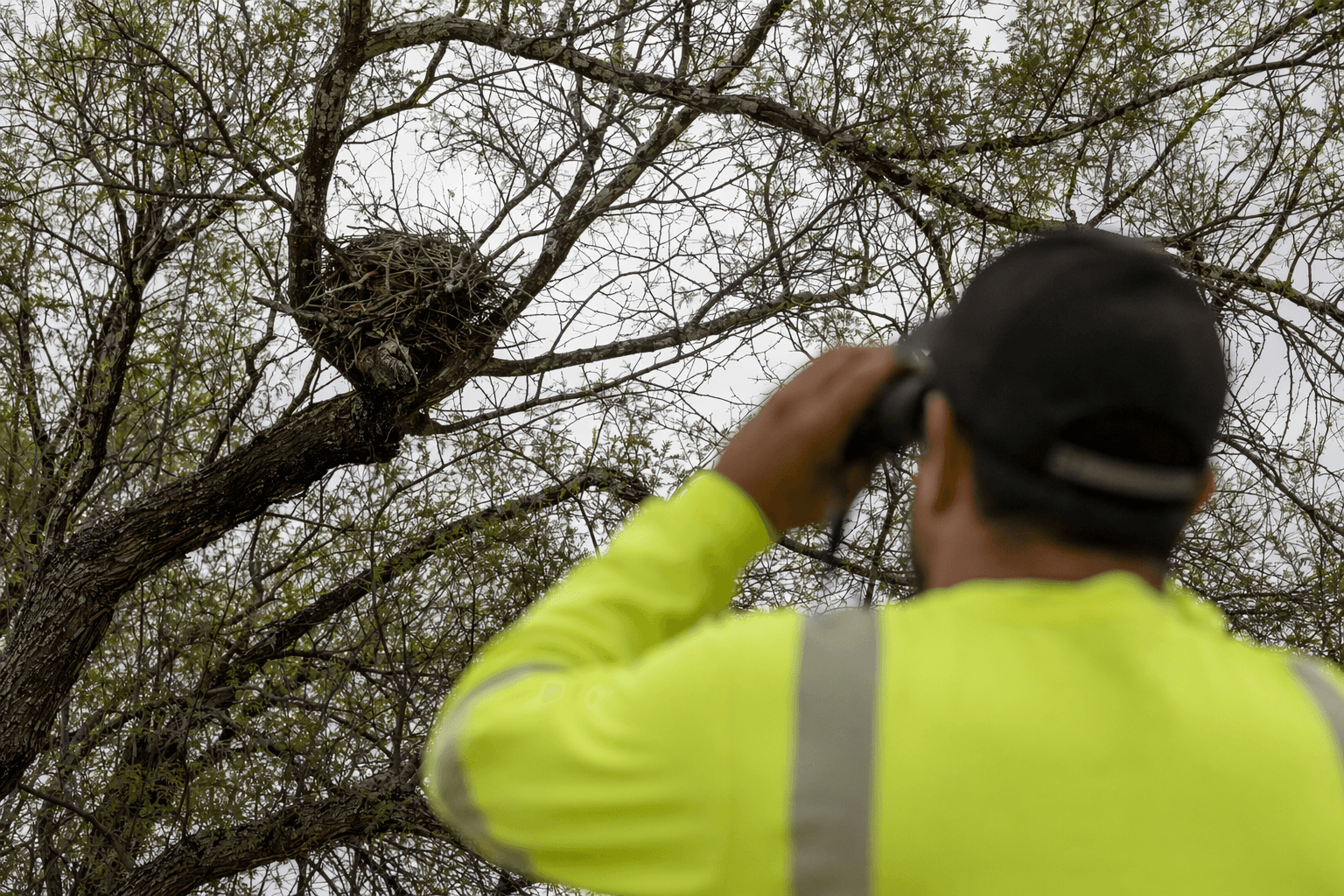
An active nest is usually easy to spot if someone looks closely. Adults flying back and forth to feed young birds, or a nest with eggs that have not hatched, are signs that cutting should stop immediately. Arizona Game and Fish Department officials and wildlife rehabilitation experts say that simple pause can prevent a nest from being destroyed before fledglings are ready to survive on their own.
The legal stakes are real. Most bird nests are protected under the federal Migratory Bird Treaty Act, enacted in 1918 to carry out treaties with Canada, Mexico, Japan and Russia. Under the law, it is illegal to destroy a nest that has eggs or chicks in it, or young birds still dependent on the nest. In Yuma County, where the Lower Gila River corridor serves as breeding habitat and a migration stopover, that protection matters for species tied to the riparian system, including the southwestern willow flycatcher, western yellow-billed cuckoo and Yuma Ridgway’s rail.
Linda Winchell of Vita Wildlife Rehabilitation Education Center said homeowners are the first line of defense, while regional investigator Yosie Hyink has urged the public and tree-trimming companies to avoid cutting during nesting months. The simplest fix is to schedule trimming in winter whenever possible and to leave active nests alone.
If a nest is destroyed and a violation needs to be reported, Arizona Game and Fish says Operation Game Thief is available 24 hours a day, seven days a week, 365 days a year, and anonymous reports are allowed. The hotline is 800-352-0700. In a county known for the Yuma East Wetlands and strong birding traditions through the Yuma Audubon Society, a few minutes of caution can keep a lot of desert wildlife alive.
Know something we missed? Have a correction or additional information?
Submit a Tip