Yuma County Sheriff warns residents about fake traffic violation text scams
A fake traffic ticket text can look like a court notice, then steal card data or install malware if you scan the QR code.
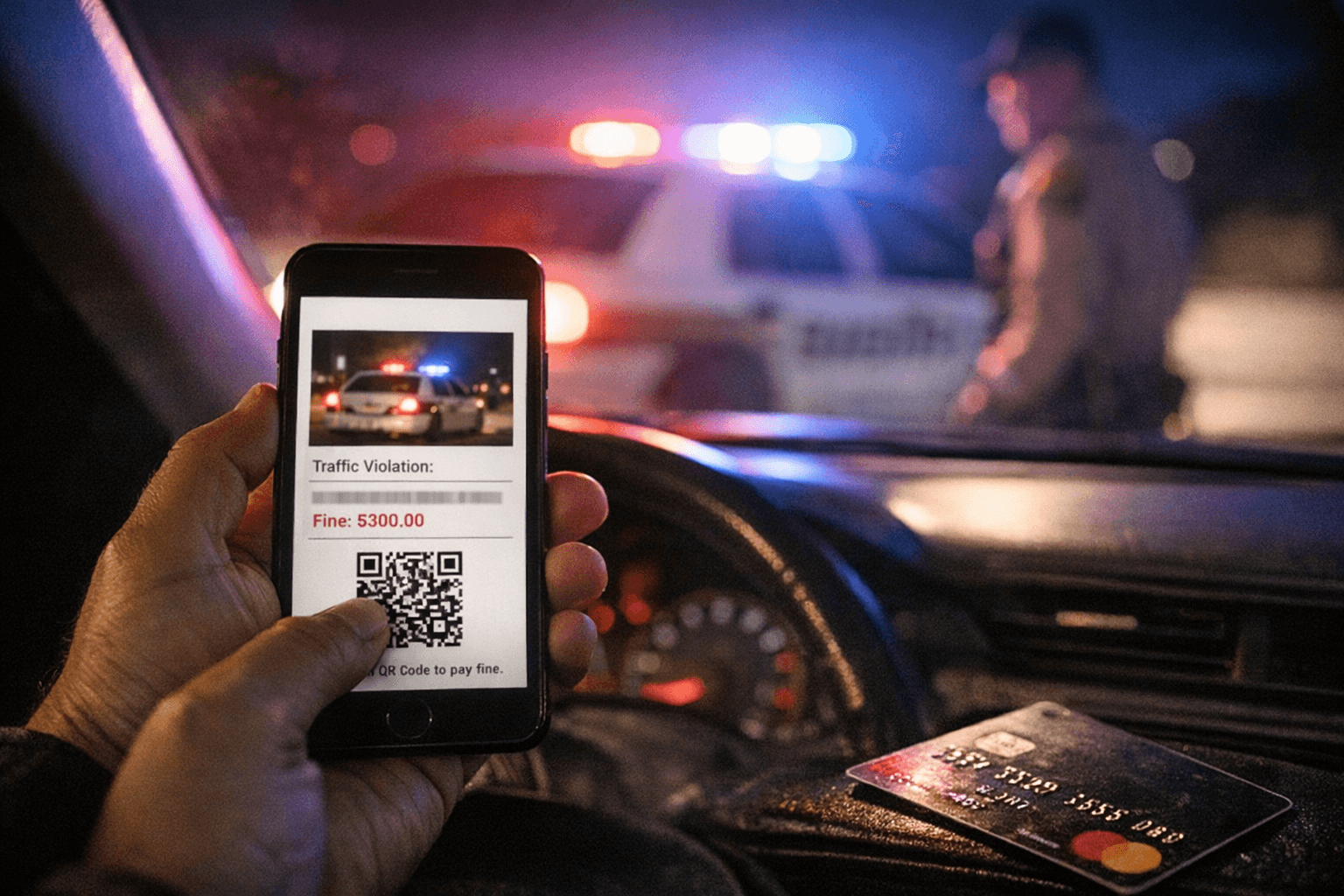
The Yuma County Sheriff’s Office is warning residents about fraudulent text messages that mimic traffic violation notices, complete with scam images that look official, fake case numbers, hearing dates and times, and instructions to either appear at a made-up hearing or pay a fine right away.
Some versions of the text include a QR code that sends recipients to a fake payment site. The Federal Trade Commission said April 14, 2026, that it had seen a spike in reports about the scam over the last month, part of a broader wave of smishing attacks that impersonate government agencies and pressure people to act fast.
The FTC said the scam is designed to steal personal information and credit card numbers, and that scanning the QR code can sometimes install malware. The National Cybersecurity Center warned April 6, 2026, that scammers are posing as courts or traffic agencies and pushing small payments, often under $10, to make the request seem routine and believable.
Arizona transportation officials have said texts demanding payment for unpaid traffic tickets or tolls are scams. The Arizona Department of Transportation says it does not collect unpaid traffic or parking tickets. It also says Arizona has no toll roads and no reciprocity with other states for toll collections, cutting off another common angle used by scammers who try to sound official.
The Yuma County Sheriff’s Office has repeatedly flagged similar impersonation schemes on its scam-alert pages, including fake jury-duty notices and other law-enforcement scams, as part of a warning that these messages can target people of all backgrounds. The office tells anyone who believes they were victimized to contact local law enforcement.
The fastest checks are straightforward: do not scan the QR code or click any payment link, verify the claim through a known phone number or official agency website rather than the text itself, and report the message to local law enforcement and the FTC. The FTC says reporting helps protect other people from the same scam, and Yuma County officials are urging residents to ignore suspicious texts before they hand over money or personal information.
This article was produced by Prism’s automated news system from verified source data, official records, and press releases, then run through automated quality and moderation checks before publishing. The system is built and supervised by the people who set the standards it runs under. Read our full AI policy.
Did this article answer your question?