Yuma County weighs zoning changes to limit farm animals on small lots
A county rule change could decide whether a 39,999-square-foot lot can keep chickens, while state law already protects up to six backyard fowl on half-acre parcels.
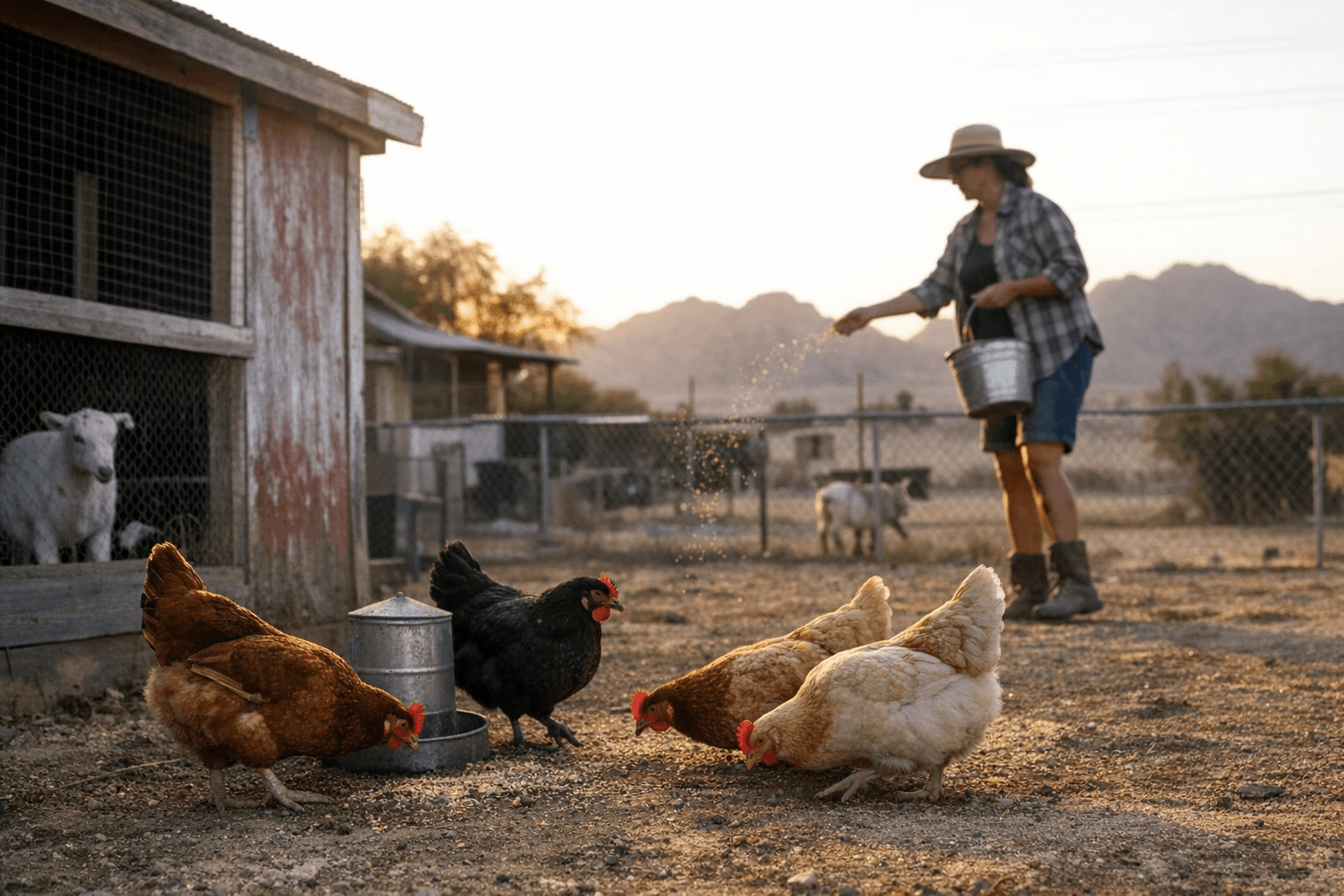
Yuma County could soon redraw the line between rural living and neighborhood friction, and the cutoff matters: properties under 40,000 square feet have been at the center of the debate, while state law already guarantees up to six backyard fowl on single-family lots of one-half acre or less.
The issue reaches beyond chickens. County zoning language in the Suburban Ranch district says large minimum lots are intended to give residents enough room to keep a limited number of farm animals or horses without harming nearby residential properties. That balance is now under review as public input continues through the county’s land-use process.
Under Arizona law, counties may not ban backyard fowl for a single-family detached residence on a lot one-half acre or less in size, though they can still prohibit roosters and set enclosure rules. The backyard-fowl law was enacted in 2024 as HB 2325, and Yuma County staff had been looking to align local rules with it. As of January 2025, county zoning did not allow chickens or small farm animals unless the property was 40,000 square feet or larger.
Any change would land with particular force in unincorporated Yuma County, where property owners often buy small rural parcels hoping to keep a few animals, not run a full farm. That could affect hobby farmers weighing feed costs, fencing, odor control and the practical limits of small-acre living, while neighbors argue that even a few animals can bring noise and nuisance concerns. The county’s land-use rules are meant to protect both sides, but the tradeoff has become sharper as more people look for rural property without the obligations of larger agricultural tracts.
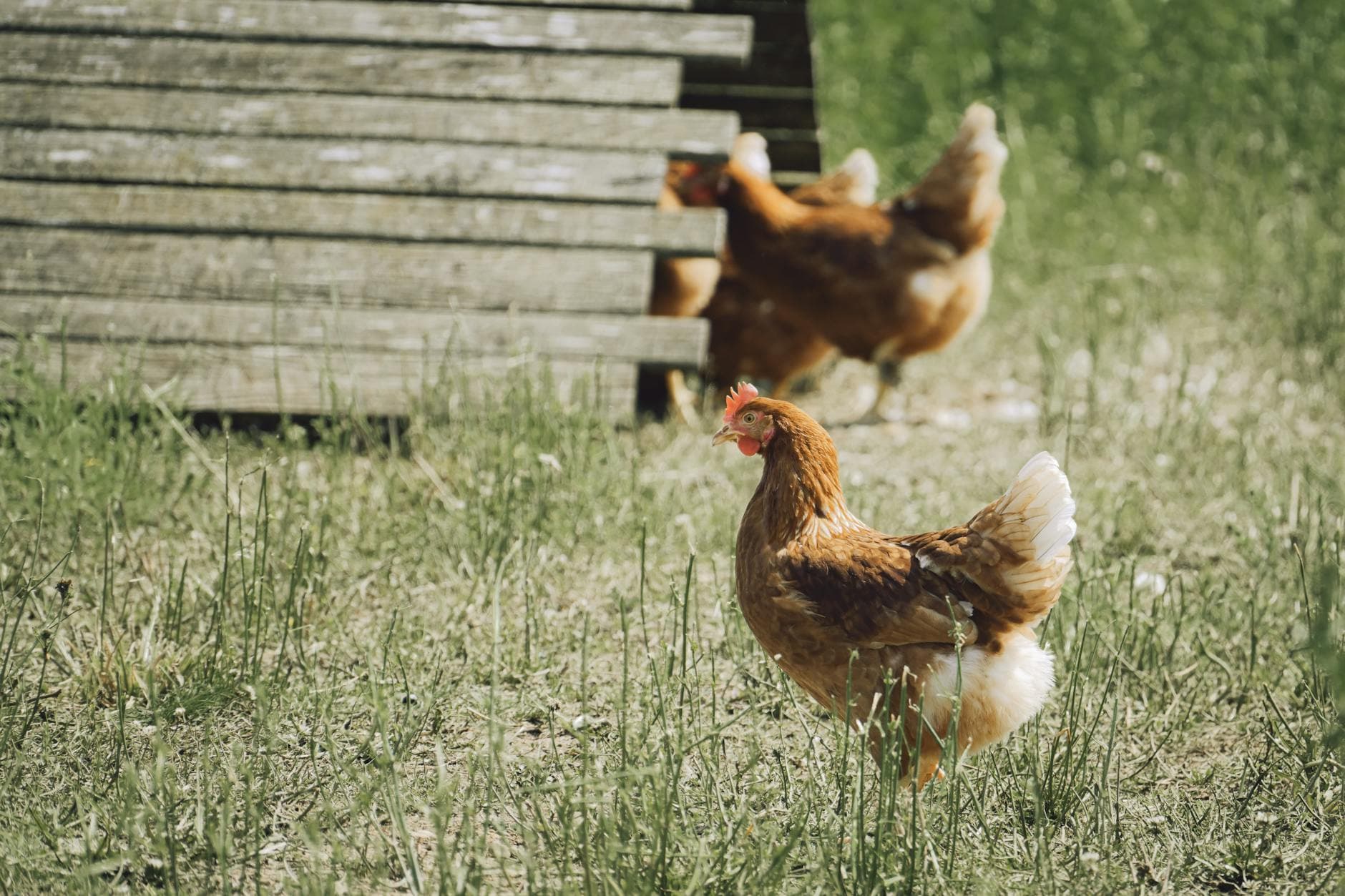
The stakes are also economic. A University of Arizona study found agriculture and agribusiness generated $4.4 billion in sales to the Arizona economy in 2022 and $3.9 billion to Yuma County’s economy. USDA county profile data show Yuma County has many farms in the 1-to-9-acre range, and its production is heavily concentrated in vegetables, melons, potatoes and sweet potatoes. In a county where agriculture is a major regional industry, even a debate over chickens and small farm animals carries weight for property values, rural character and how close neighbors are willing to live to one another.
The Yuma County Planning and Zoning Commission, which meets at 5:30 p.m. on the fourth Tuesday of each month, makes recommendations on rezonings, special uses and Comprehensive Plan changes. The final call rests with the Yuma County Board of Supervisors, which has authority over zoning in the unincorporated county.
This article was produced by Prism’s automated news system from verified source data, official records, and press releases, then run through automated quality and moderation checks before publishing. The system is built and supervised by the people who set the standards it runs under. Read our full AI policy.
Did this article answer your question?