Yuma Crossing National Heritage Area Visitor Guide to Parks and History
Learn where to walk, bike, and explore Yuma Crossing’s parks, wetlands, and historic sites, with tips on safety, access, and community impact.

1. Yuma Crossing and riverfront overview
Yuma Crossing marks the historic Colorado River crossing that shaped settlement, trade, and migration in the region. The heritage area ties downtown Yuma to the riverfront with parks and interpretive sites that teach the layered histories of Native American, Hispanic, and Anglo-American communities. For locals, the crossing is both a daily backdrop and a classroom, places to exercise, gather, and remember how the river shaped local livelihoods and public health.
2. Riverfront parks
The riverfront parks provide open space for walking, picnicking, fishing, and community events along the Colorado River. These parks reduce urban heat, offer opportunities for physical activity, and host festivals and markets that support local businesses. Pay attention to shaded pathways and seating areas, these design features matter for elder and youth access, and they influence how often families and older adults can use the parks year-round.
3. East Wetlands interpretive trail
The East Wetlands trail is a restored riparian area designed for wildlife habitat and visitor interpretation, with boardwalks and signage that bring ecological recovery to life. Restored wetlands improve air quality, cool nearby neighborhoods, and create safe places for active transit like walking and biking, important public health benefits in a desert climate. Trails often include habitat observation points; carry water, respect wildlife, and use interpretive panels to learn about indigenous stewardship of the river.
4. West Wetlands interpretive trail
The West Wetlands trail complements its eastern counterpart with additional restoration, trail loops, and birding opportunities, making it a regional asset for recreation and environmental education. These restored areas are living demonstrations of floodplain function and water management, useful context for local conversations about climate resilience and irrigation policy. The trail’s accessible sections and interpretive stops make it suitable for school groups, families, and neighborhood walking clubs.
5. Yuma Quartermaster Depot State Historic Park
The Quartermaster Depot preserves the military supply center that supported western expansion and local development; museum exhibits interpret logistics, technology, and daily life from that era. The park serves as a teaching site for students and a tourism anchor that brings visitors to downtown businesses. Visitor hours for state parks vary seasonally, check posted hours before you plan a visit, and expect exhibits that connect military logistics to regional economic and social change.
6. Yuma Territorial Prison State Historic Park
The Territorial Prison offers a stark look at 19th-century incarceration, local law enforcement history, and how social policies affected the lives of people in the territory. Exhibits and cellblocks prompt reflection on justice, migration, and labor; programming can be an entry point to community discussions about historical inequities and contemporary criminal justice reform. Accessibility varies in older structures, plan ahead if mobility is a concern and ask staff about accommodations and guided tours.
7. Pivot Point Plaza
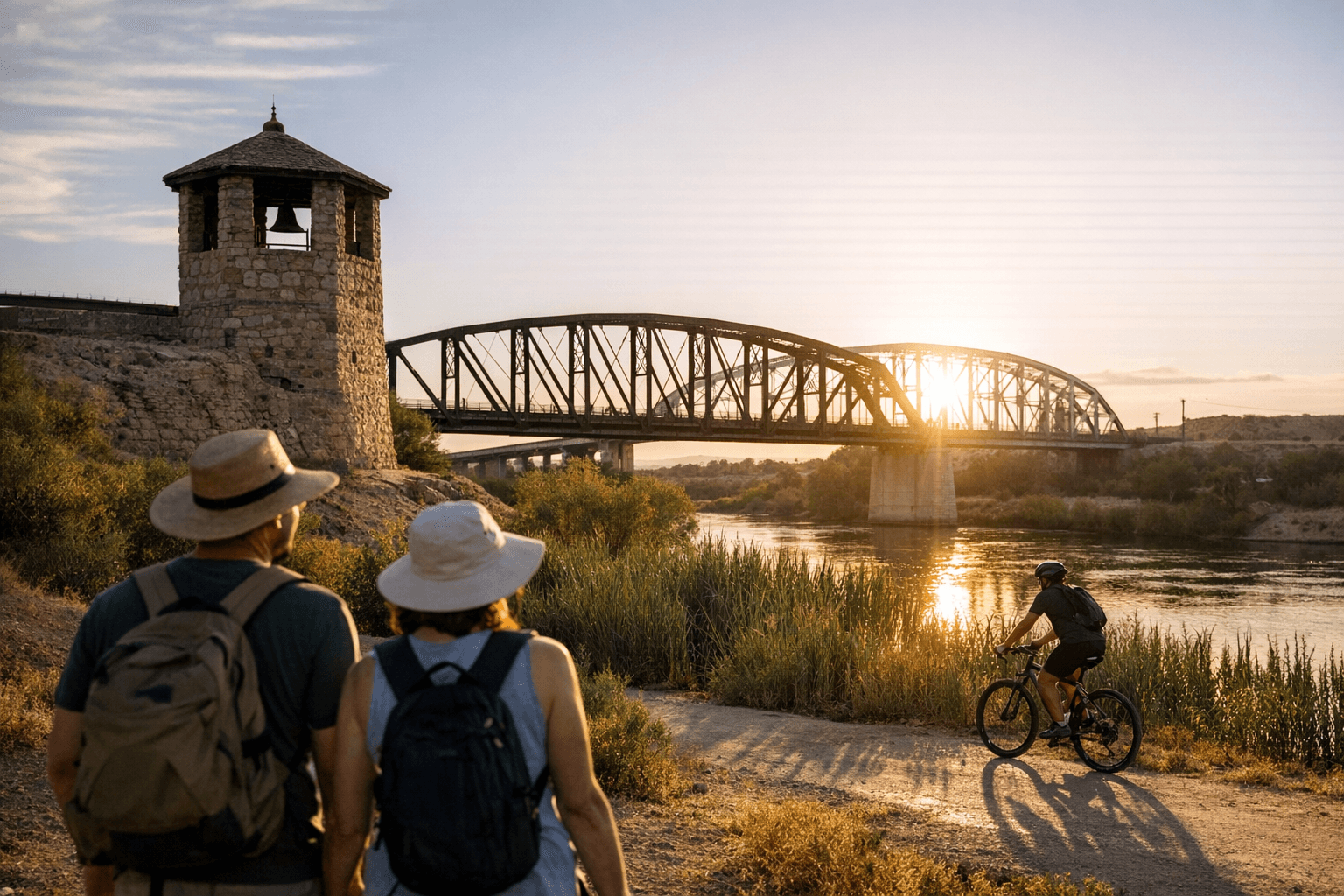
Pivot Point Plaza sits where downtown, riverfront trails, and interpretive routes converge, functioning as an urban plaza and meeting place for events and performances. The plaza’s location makes it a natural orientation point for new visitors and a gathering spot for community celebrations that boost local small businesses. Look for community boards and event calendars at the plaza to connect with volunteer cleanups, cultural events, and guided walks.
8. Interpretive resources and storytelling
Interpretive resources across the heritage area intentionally highlight Native American, Hispanic, and Anglo-American histories, offering multiple perspectives on land use, migration, and river management. Panels, audio stops, and trail markers aim to center local narratives; inclusive interpretation improves civic literacy and strengthens cross-cultural understanding. If you represent a community group, advocate for co-curation, ensuring tribal, Hispanic, and other local voices shape how their stories are told.
9. Visitor information, access, and public health guidance
Visitor hours for state parks and facilities change by season and special events, so confirm hours with park staff or official websites before arriving; many sites offer restrooms, shaded picnic areas, and limited parking. Yuma’s high temperatures make heat safety paramount: carry water, wear sun protection, plan early-morning or late-afternoon visits in summer, and know where cooling shelters or shaded spaces are located. • Bring a refillable water bottle • Use sunscreen and a wide-brim hat • Supervise children near water and uneven trails
10. Community impact, equity, and stewardship
The heritage area contributes to local tourism revenue, educational programming, and civic pride, but benefits are maximized when access is equitable, transit connections, multilingual signage, ADA accommodations, and affordable programming matter. Supporting stewardship programs, volunteering for habitat restoration, or attending public planning meetings helps ensure underrepresented neighborhoods share in health and economic gains. Policy actions that fund maintenance, support indigenous co-management, and expand cooling infrastructure will improve community resilience and make the crossing a resource for everyone.
Practical closing Use the riverfront as both a library and a gym, learn the stories on interpretive panels, then walk a loop to feel the health benefits. Plan visits around cooler hours, pack water, and connect with local programs that open doors for youth and elders. By showing up, volunteering, and advocating for inclusive park funding and accessibility, you help keep Yuma Crossing a healthy, shared place that honors history while serving present-day community needs.
This article was produced by Prism’s automated news system from verified source data, official records, and press releases, then run through automated quality and moderation checks before publishing. The system is built and supervised by the people who set the standards it runs under. Read our full AI policy.
Did this article answer your question?