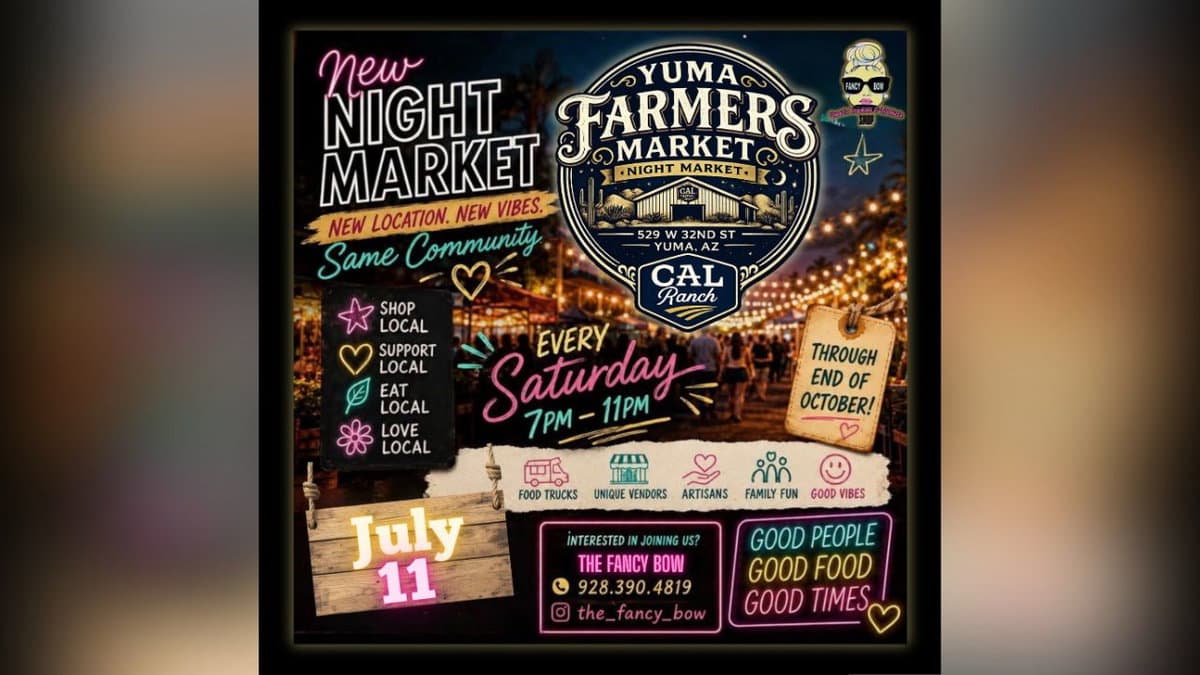
Yuma Farmers Markets Offer Fresh Local Produce, Community Connection Year-Round
Yuma's farmers markets run peak season December through March, connecting shoppers directly to the growers behind one of America's most productive agricultural regions.
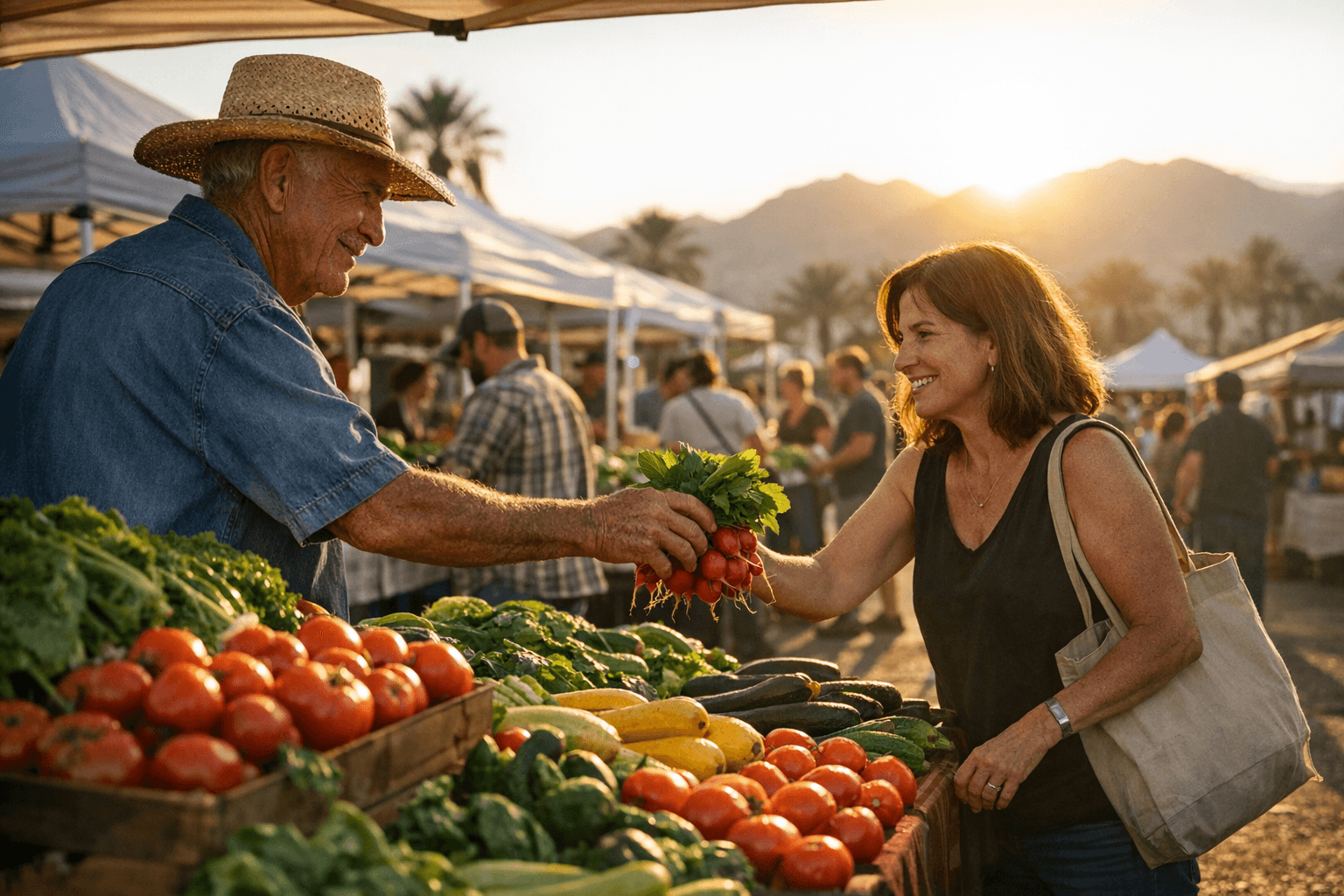
Yuma County produces a staggering share of the nation's winter vegetables, yet the closest most residents ever get to the fields running along the Colorado River is the grocery store. The farmers markets scattered across the city close that distance, putting shoppers face-to-face with the growers and small-batch producers who work the land. From downtown sidewalks to weekend fairgrounds, these markets run on their own seasonal rhythms, and knowing those rhythms is the difference between arriving at peak selection and arriving at empty tables.
The Downtown Yuma Market
The market on Downtown Main Street is the city's most established gathering point for local produce, and its calendar follows the natural cadence of Yuma's harvest. Peak months run December through March, when the winter growing season is in full production and vendors show up with citrus, leafy greens, baked goods, spices, and handmade crafts. The concentration of activity during those four months reflects how tightly Yuma's agricultural cycle is tied to cooler temperatures; the summer heat pushes many outdoor vendors off the schedule entirely.
Because hours and operating days shift from year to year, checking current listings through Downtown Yuma or the Yuma Food Bank before making the trip is worth the extra minute. Showing up on the wrong Saturday is the most common mistake first-time market visitors make.
Community Markets and Weekend Vendors
On weekends, the Yuma Community Farmer's Market and the markets tied to Yuma Palms and the Fairgrounds offer a broader mix of vendors. These markets typically operate as fundraisers or are organized by community groups, which shapes their atmosphere and vendor lineup. Alongside seasonal vegetables and prepared foods, expect artisan crafts and a community-fair energy that distinguishes them from a strictly produce-focused market.
The Yuma Community Farmer's Market has a longstanding connection to Crossroads Mission, weaving community-service fundraising directly into the shopping experience. Purchasing a bag of seasonal vegetables at this market does double duty: it supports a local grower and contributes to one of Yuma's most active social-service organizations. That pairing gives the market a civic dimension most urban markets don't carry.
Neighborhood Pop-Ups and Seasonal Markets
Spring and fall bring a different category of market to Yuma: smaller, neighborhood-scale pop-up events that surface in the Foothills and near the Yuma Palms area. These gatherings tend to feature microgreens, eggs, seasonal herbs, and small-batch products from local entrepreneurs who may not have a permanent vendor presence at the larger markets. They're often single-morning events tied to a specific date or holiday.
The City of Yuma and VisitYuma both maintain event calendars that track these one-off markets. Checking those pages periodically, especially in October and November ahead of the holiday season, surfaces events that don't get much advance publicity. Some of the most interesting small producers in Yuma County show up exclusively at these pop-ups rather than at the more established weekend markets.
Tips for Shopping the Markets
A few practical habits make a significant difference in how much you get out of a market visit:
- Bring cash and a reusable bag. Many vendors accept cards, but smaller growers often prefer cash for speed, especially during busy morning rushes. Arriving unprepared slows the line and sometimes means losing an item to the next buyer.
- Go early. The best selection is on the tables in the first hour. Later in the morning, inventory thins, though the tradeoff is that some vendors will discount remaining items toward closing time rather than pack them back up.
- Ask about storage. Yuma staples like citrus, lettuce, and melons each have specific handling notes that affect how long they stay fresh after purchase. Vendors know their product and are generally happy to walk through shelf life and storage conditions. A head of local butter lettuce kept dry and loosely wrapped in the crisper drawer lasts considerably longer than one left in a plastic bag.
- Think in weekly quantities. If you're buying for a full household's week of meals, tell the vendor. Many will bundle items at a better price or suggest combinations based on what's freshest. Seasonal produce bought in small increments costs more per use than a bundled selection built around what's actually ready to eat.
Why These Markets Matter Beyond the Shopping
Farmers markets in Yuma County function as an economic channel that grocery distribution can't replicate. For the small farms and specialty producers who set up tables each week, market sales are a primary revenue source and a direct signal about what local buyers actually want. That feedback loop shapes what growers plant and how they develop new products, making the market a quiet but real influence on Yuma's agricultural diversity.
For everyone buying there, the connection is simpler: the produce is fresher because it traveled fewer miles, and the money stays in the county. Yuma's agricultural identity is built on scale, on the industrial production that fills supermarket shelves across the country in January. The farmers markets offer something structurally different, a direct relationship between the person who grew the food and the person who's going to cook it, without the supply chain in between. In a county where agriculture is the defining economic fact of life, that relationship is worth showing up for.
This article was produced by Prism’s automated news system from verified source data, official records, and press releases, then run through automated quality and moderation checks before publishing. The system is built and supervised by the people who set the standards it runs under. Read our full AI policy.
Did this article answer your question?