Yuma Mesa Irrigation District quietly supports farms, homes, businesses
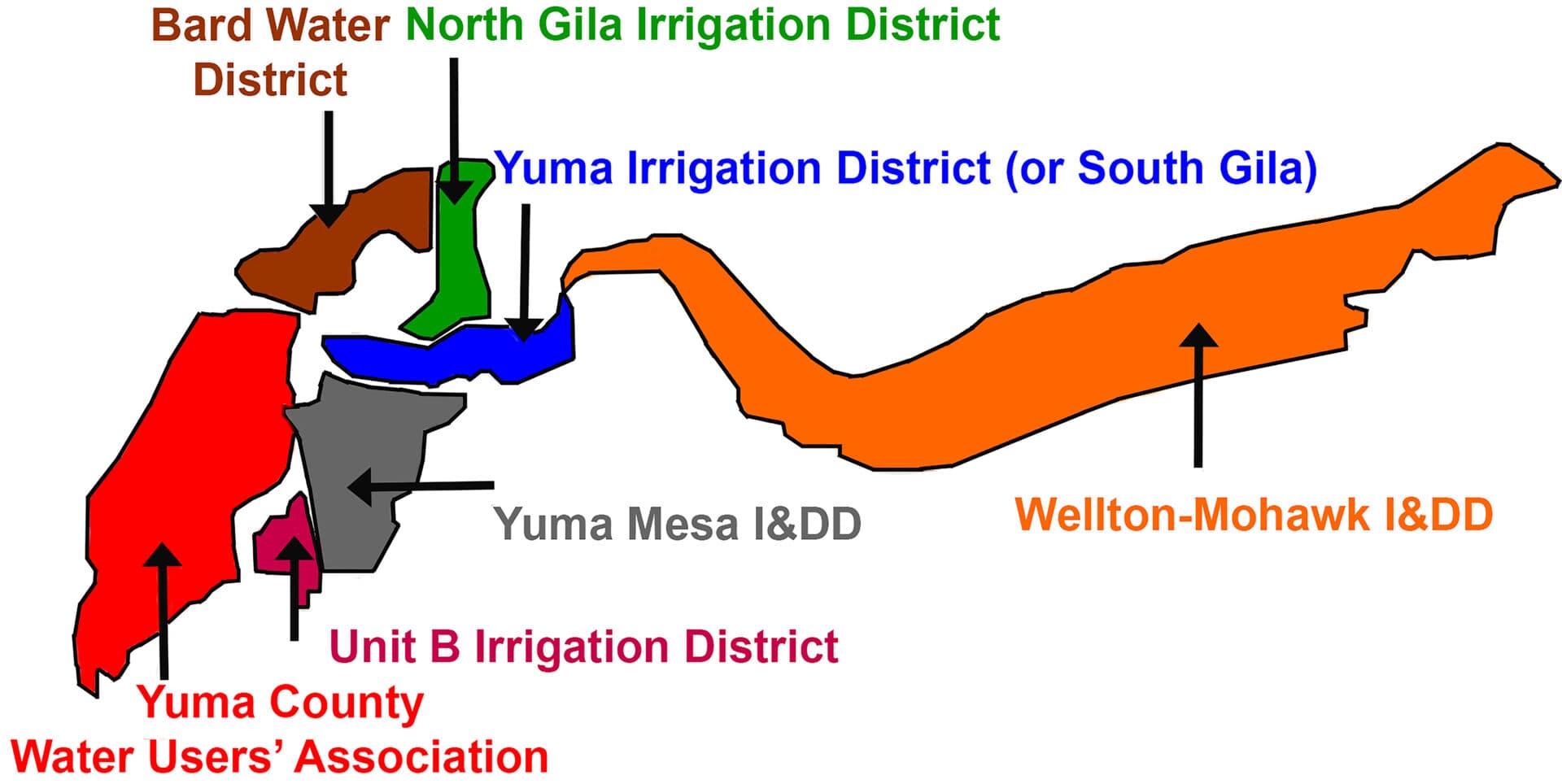
YMIDD supplies water to 20,000 acres on the Yuma Mesa and serves municipal and industrial users, quietly underpinning farms, homes, and employers.
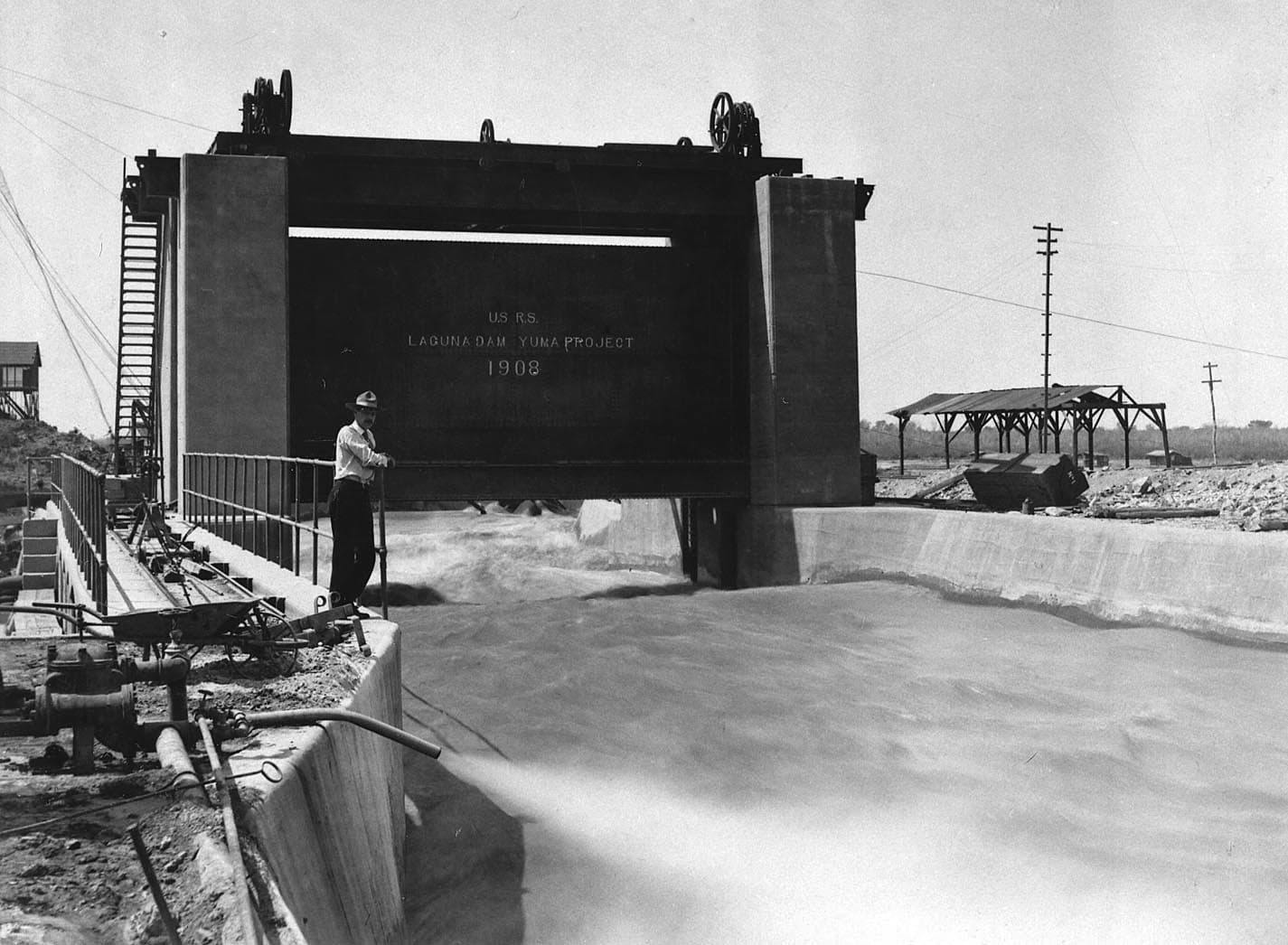
Yuma Mesa Irrigation & Drainage District is one of the desert systems Yuma County depends on most and notices least, until service is interrupted. Established in 1954 as an Arizona municipal corporation, it delivers irrigation water to 20,000 acres on the Yuma Mesa and also serves municipal and industrial users, tying farm production, neighborhood life, and business activity to the same network. A water outage alert on the district’s website is a reminder that this is not background scenery, but the utility framework that keeps the local economy moving.
What YMIDD actually does
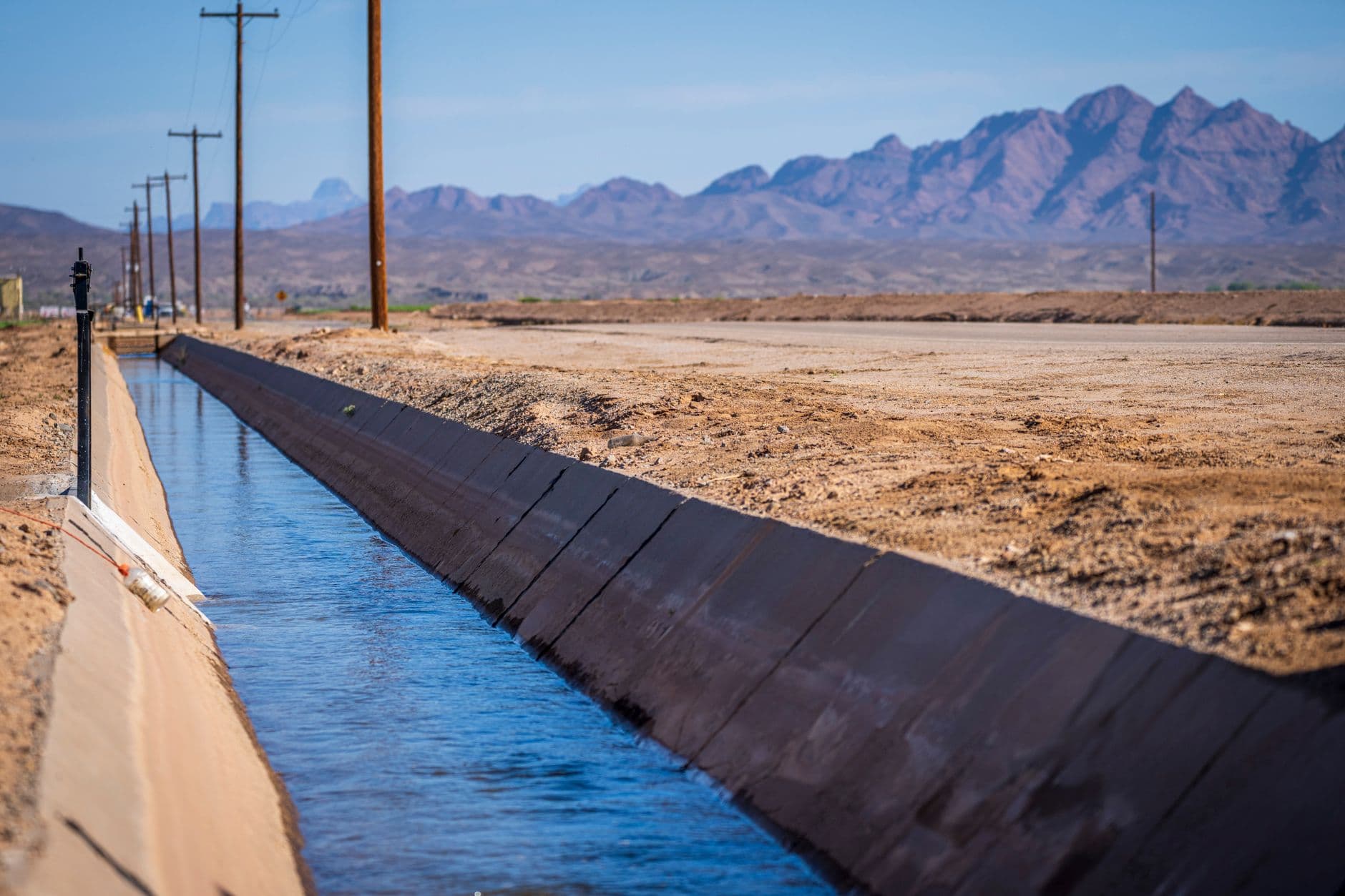
The district’s core job is simple to state and hard to execute in a place like Yuma County: move water reliably through a dry landscape where annual rainfall cannot sustain the region on its own. YMIDD says it operates an extensive distribution system, which makes it more than a canal operator or a farm supplier. It is part of the infrastructure that keeps acreage productive, supports municipal needs, and gives industrial users a dependable water source in a region where development would otherwise be much harder to sustain.
That dual role matters. A district that serves only agriculture can be understood as a farm utility; a district that also serves municipal and industrial customers sits at the center of daily life and future growth. In practice, that means the same system that helps crops survive the desert heat also helps keep businesses operating and makes it possible for homes and commercial sites to exist in a place where water must be delivered, not assumed.
YMIDD’s public contact information underscores that it is an active service provider, not a historical relic. The office is at 14329 S. 4th Avenue Extension in Yuma, and the district lists weekday office hours from 7 a.m. to 4 p.m. The district also publishes a phone number, 928-726-4353, which matters when service users need information about deliveries, maintenance, or outages.
Why the Yuma Mesa matters
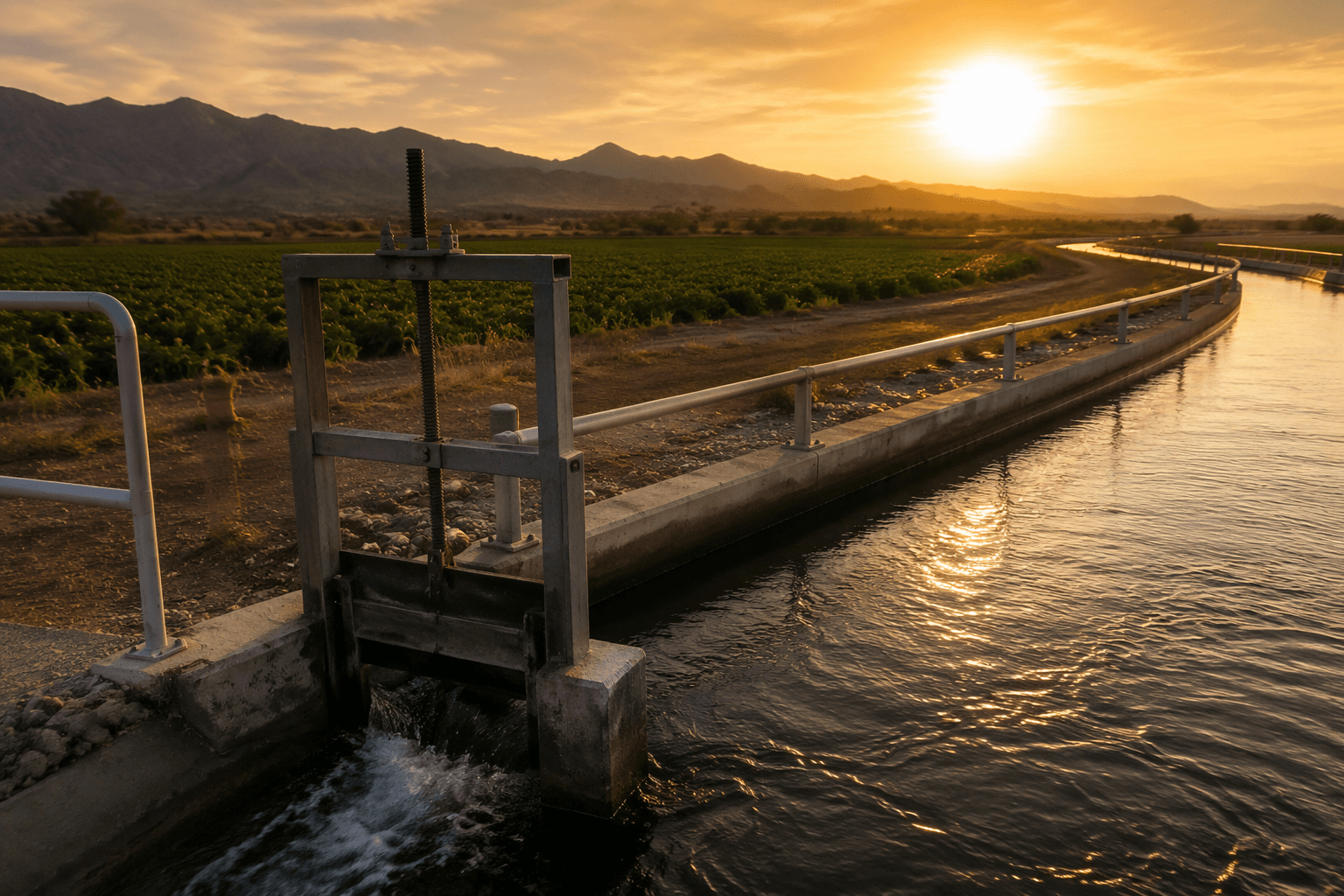
The Yuma Mesa is not abstract acreage on a map. It is part of the everyday landscape residents drive through, farm in, and build around, which is why the district’s service area has such direct consequences for local life. In a county where water is the controlling variable, a reliable distribution system keeps crops growing, landscaping alive, and commerce steady through the hottest months.
That is especially important in nearby places such as Somerton, which sits about 12 miles south of Yuma in the fertile Yuma Valley and depends heavily on agriculture, light industry, and a growing commercial service sector. The broader Yuma area has long been shaped by winter vegetable production and the businesses that orbit it. In a Yuma Area Agriculture presentation, William J. Moody said agriculture accounts for about 40% of the county’s economic base, a figure that shows how closely water delivery is tied to payrolls, leases, and local spending.
For households, the stakes are easy to see when water schedules change. For employers, the consequences can be broader, because a missed delivery window or prolonged outage can affect planted fields, landscaping, and facility operations at the same time. In a desert economy, the line between farm water and city water is thin, and YMIDD sits on that line every day.
The water system behind growth
Yuma County’s growth depends on more than land availability. It depends on whether the district system can keep up with the demands of agriculture, municipal users, and industry at the same time. That is why YMIDD’s role reaches beyond crops: it helps make it possible for neighborhoods to function and for development to remain viable in a landscape that cannot support itself without managed delivery.
The district’s current outage notice, listed from July 24 at 12:01 a.m. through July 27 at 6 a.m., shows how operational this work is. Water management here is not theoretical planning; it is a schedule of access, maintenance, and service windows that affect real customers. When that network is working, the county’s farms stay productive and its urban areas keep pace with daily demand.
The practical lesson is that water infrastructure is economic infrastructure. In Yuma, a district like YMIDD is part of the reason agriculture can continue on the edge of the desert and part of the reason homes and employers can keep expanding without the whole system giving way.
A district shaped by Colorado River law and borderland geography
YMIDD also sits inside a much larger water history that reaches beyond Yuma County. The Gila Project Act of July 30, 1947, changed the project’s boundaries near Yuma, fixed the maximum acreage, and created the Yuma Mesa Division and the Wellton-Mohawk Division. That legal framework reflects how closely the region’s water future has always been tied to federal reclamation policy and Colorado River allocation.
A later administrative determination on the Yuma Mesa Division’s Colorado River water entitlement shows that the district’s world is governed by water law as much as by engineering. That matters in the borderland context, where the Colorado River Basin shapes agriculture, development, and water quality concerns on both sides of the U.S.-Mexico line. The Yuma area is part of a transboundary water economy whether the daily work is done by farmers, managers, or municipal users.
For Yuma County, the takeaway is straightforward: YMIDD is one of the systems that makes desert settlement workable. It is not glamorous, but it is foundational, and as long as farms, homes, and employers depend on the Yuma Mesa, the district’s quiet work will remain central to the county’s future.
This article was produced by Prism’s automated news system from verified source data, official records, and press releases, then run through automated quality and moderation checks before publishing. The system is built and supervised by the people who set the standards it runs under. Read our full AI policy.
Did this article answer your question?