Yuma native shares journey from paralysis to Neuralink breakthrough at AWC
A Yuma native who became the first Neuralink recipient showed AWC students how paralysis, persistence and assistive tech can reshape a life and a career.
A Yuma homecoming with national weight
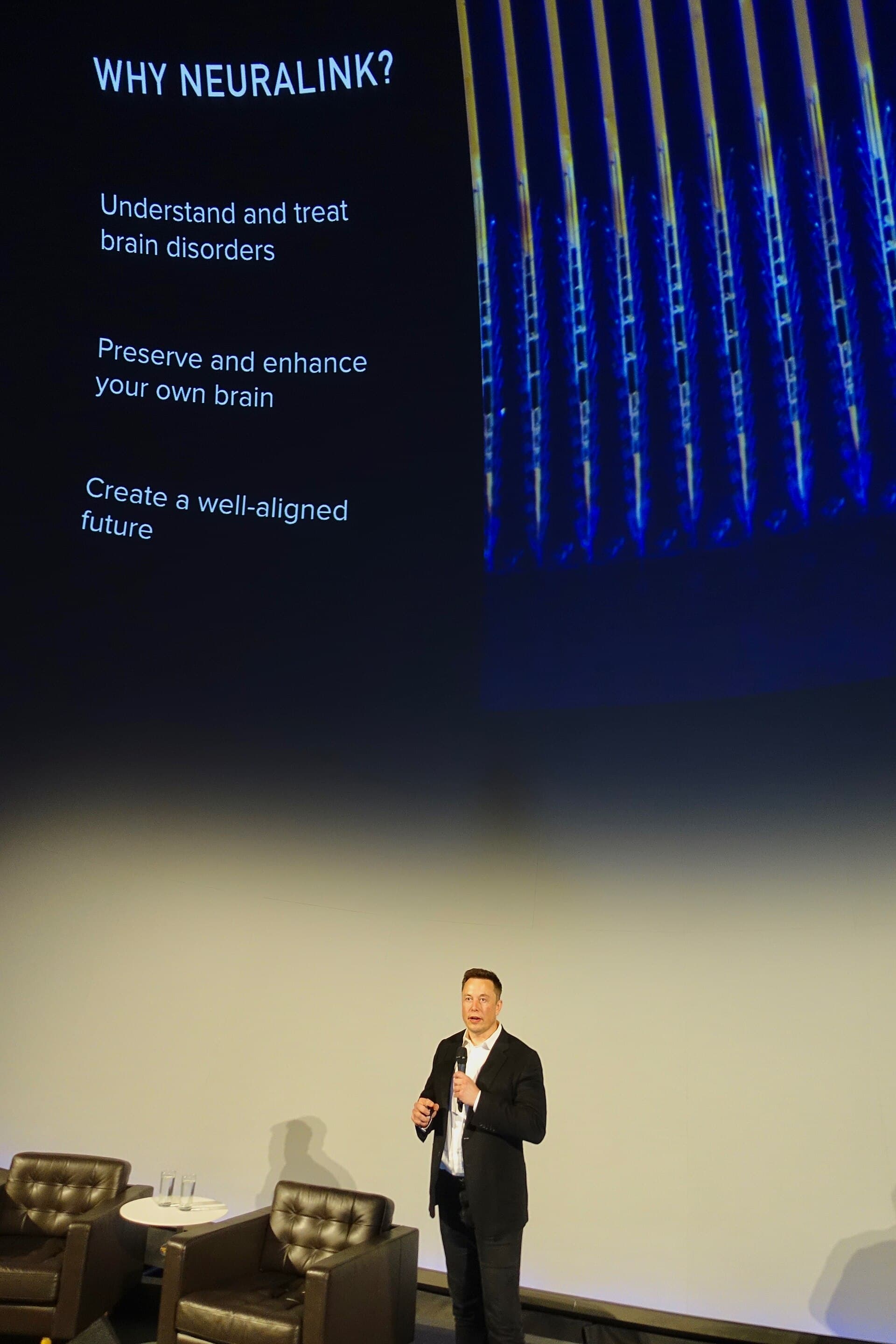
Noland Arbaugh’s return to Arizona Western College brought a breakthrough story back to the place where many local students are deciding what comes next. The Yuma native spoke on April 28 in the Matador Activity Center, room 106, where dozens of people gathered to hear how a life-changing injury and a brain-computer implant changed his path.
The setting mattered. This was not just a campus visit or a feel-good appearance. Arbaugh is the first human to receive Neuralink’s brain-computer interface, and his visit gave AWC students a chance to hear directly from someone whose experience sits at the intersection of medicine, engineering and disability access.
From a 2016 accident to a 2024 first
Arbaugh’s story begins with a swimming accident in 2016 that left him paralyzed below the shoulders. Texas A&M University has identified him as a member of its Class of 2016, a detail that underscores how much his life changed after graduation and before the Neuralink milestone that followed years later.
In January 2024, Arbaugh became the first person to receive Neuralink’s brain chip technology. AWC’s event materials describe the implant as a brain-computer interface with 1,024 electrodes, and the college said he achieved record-breaking cursor control speed with it. The technology gave him a new way to interact with a computer without relying on physical movement, a shift that has enormous meaning for day-to-day independence.
That combination of injury, recovery and high-tech intervention is why his story resonates beyond the headlines. It is about one person’s adaptation, but it also reflects the growing public conversation around neurotechnology, rehabilitation and how innovation reaches people living with severe disabilities.
How the implant changes ordinary life
The device is designed to read the neurons firing in Arbaugh’s brain and translate that activity into digital commands. In practical terms, that means he can control a computer with his thoughts, opening up a world of tasks that many people take for granted.
Broader reporting has shown how much that matters in everyday routines. Arbaugh has spoken publicly about using the implant to play chess, learn languages and pursue a new career path. Those details turn a futuristic medical story into something more immediate: a tool that can restore agency, communication and productivity.
For people in Yuma who live with disability, care for someone who does, or work in healthcare, the significance is easy to see. Assistive technology is not only about convenience. It can reduce dependence, widen access to education and work, and help people reclaim roles they may have been pushed out of after injury or illness.
Why his message landed at AWC
Arbaugh’s central message to the AWC audience was that innovation matters, but perseverance matters even more. He wanted students to understand the value of pushing through challenges, not just the spectacle of the technology itself.
That message seemed to connect inside the room. Local coverage said dozens attended, and an AWC staff member described how one audience member became emotional while asking questions and sharing his own story. That kind of moment is what gives a campus talk real weight: students and staff were not only hearing about a device, they were seeing their own struggles and hopes reflected back at them.
Arbaugh’s ability to speak to both the science and the human side of his experience made the event especially relevant for AWC. A border community college like Arizona Western often serves students who are balancing work, family and school while trying to move into fields that can improve health outcomes and access to care. A story like this shows that advancement in medicine is not abstract. It can change who gets to participate fully in daily life.
What it means for students eyeing health, science and engineering
Arbaugh also brings a future-facing angle that fits a college audience. He has said he is studying biology and wants to become a neuroscientist, which gives his visit a clear educational thread: the person who became a medical first is now building toward a career that could help shape what comes next.
For AWC students considering nursing, allied health, engineering or assistive-tech work, his path offers a practical model. It shows that the same community that supports patients and families also needs people who can design devices, study the nervous system, build accessible tools and help translate new technology into everyday care.
That matters in Yuma County, where healthcare access and workforce development are deeply connected. When a local student sees a Yuma native talking about biology, neuroscience and adaptive technology on a college stage, the possibility becomes easier to imagine. The path from classroom to clinic, lab or startup does not have to start somewhere else.
A story about independence, not just invention
What makes Arbaugh’s return memorable is not only that he is tied to Neuralink’s first human implant. It is that the implant changed how he interacts with the world and how he sees himself. He has said it allows him to feel useful and less like a burden, a statement that cuts to the emotional core of what assistive technology can do.
That is the deeper lesson for Yuma. The most important breakthroughs are not always the ones that make the loudest splash. Sometimes they are the ones that give a person back a voice, a career goal and a reason to keep moving forward, even when movement itself has become difficult.
This article was produced by Prism’s automated news system from verified source data, official records, and press releases, then run through automated quality and moderation checks before publishing. The system is built and supervised by the people who set the standards it runs under. Read our full AI policy.
Did this article answer your question?