Yuma New Year Fireworks and Pet Safety: Local Impacts Explained
Yuma Police received nearly 60 fireworks-related calls over New Year’s Eve and New Year’s Day, down from about 100 the previous year, while the Humane Society of Yuma took in 41 pets during the same period. This article explains what those figures mean for local public safety, animal welfare, and community norms, and outlines practical steps residents can take and civic actions to consider.
1. Fireworks calls: scale and trend
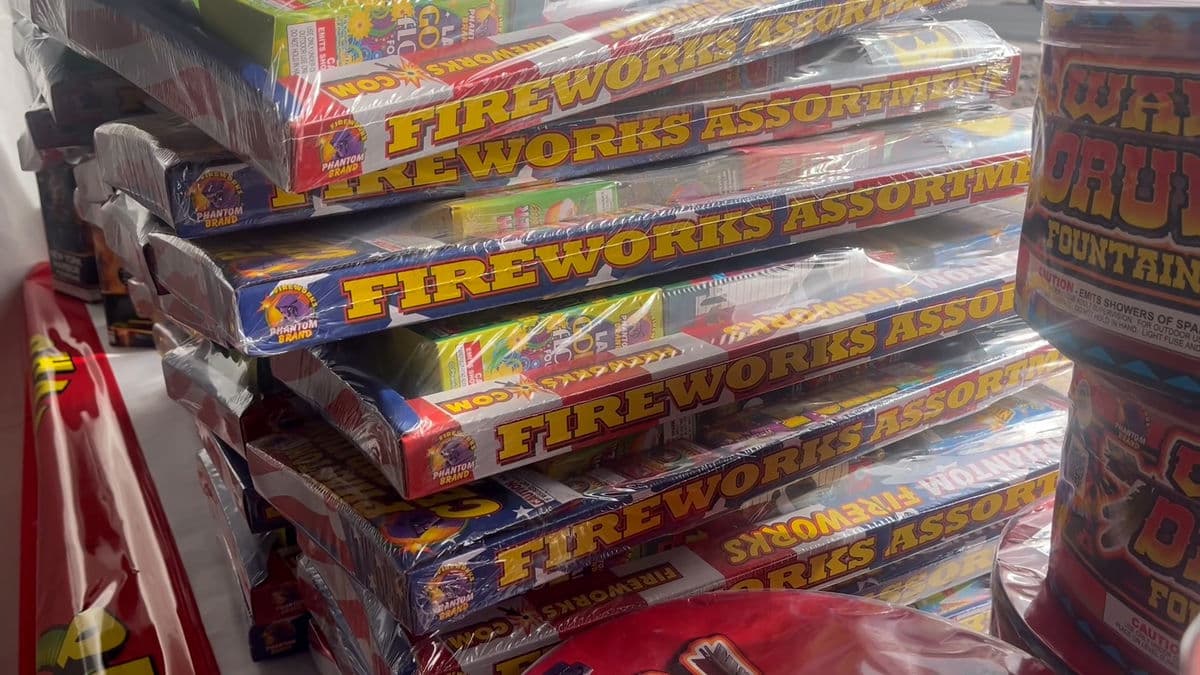
The Yuma Police Department recorded nearly 60 calls about fireworks over New Year’s Eve and New Year’s Day, a clear decline from roughly 100 calls reported the prior year. That drop signals a measurable reduction in law-enforcement demand tied to loud celebrations, but 60 calls still represents a significant operational load for a short time window. For residents, the number illustrates both that fireworks remain a common source of disturbance and that enforcement or public messaging may be having some effect; for the county, it prompts review of resource deployment and whether current approaches are sustainable or need adjustment.
2. Police resource implications and operational strain
Even with fewer calls than the previous year, nearly 60 separate fireworks reports require dispatching officers, handling complaints, and documenting incidents, which diverts time from other public-safety priorities. The concentrated timing of calls, overnight and into early morning hours, creates shift-scheduling challenges and potential overtime costs. County leaders and the police department should assess whether temporary reinforcements, targeted patrols in hot spots, or alternative response protocols would reduce costs and improve outcomes for both complaintants and officers.
3. Humane Society intake: 41 pets in short period
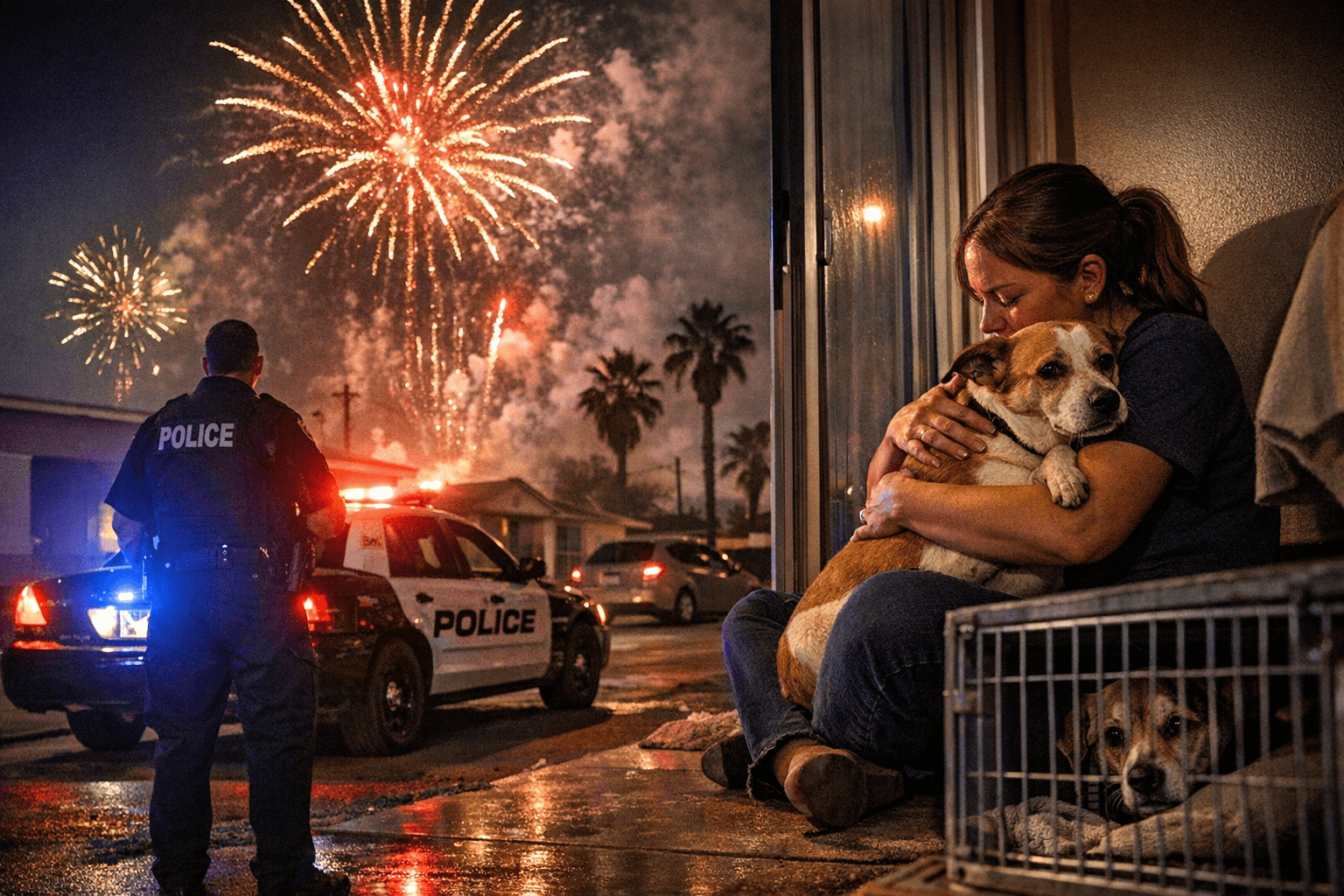
The Humane Society of Yuma reported taking in 41 pets over the same New Year period, a notable intake for a single holiday stretch. That volume stresses shelter capacity for housing, medical triage, reunification efforts, and staff or volunteer time, and it highlights the predictable link between loud public celebrations and displaced or frightened animals. For pet-owning households, the number is a reminder that short-term planning and preventive steps, secure confinement, identification, and neighborhood coordination, can substantially reduce the likelihood of a pet becoming separated.
4. Shelter guidance: visit in person rather than calling
Shelter staff advised owners searching for lost pets to visit the shelter in person rather than calling, reflecting operational realities: visual identification and immediate reclaim procedures are more effective than phone descriptions. This instruction matters to owners because arriving at the facility accelerates reunification and reduces administrative lag; it also helps the shelter process animals more efficiently and prioritize urgent medical or behavioral needs. Residents should note hours and location before traveling, and consider bringing proof of ownership or identification to speed the return process.
5. Community norms: celebration, safety, and neighborliness
Local comments after the holiday emphasized the need to balance festive celebrations with safety and consideration for neighbors, framing fireworks use as both a cultural practice and a communal responsibility. That balance affects noise-sensitive populations, including young children, older adults, residents with health conditions, and pets, and it shapes public sentiment about acceptable behavior during major holidays. Constructive neighborhood conversations, set expectations, agreed quiet hours, or coordinated displays, can reduce conflicts and improve relations without eliminating celebration.
6. Policy options and institutional responses
The combination of persistent fireworks calls and shelter intakes invites several policy responses: targeted public-education campaigns on safe and lawful fireworks use; stricter enforcement of existing ordinances in high-complaint areas; designated safe and supervised display zones; or, where applicable, consideration of permitting rules that focus displays rather than leaving use unregulated. Institutional analysis should weigh enforcement costs against public acceptance and civic values, and decision-makers should present data-driven options at public meetings so residents can evaluate tradeoffs in safety, freedom, and fiscal impact.
7. Civic engagement: how residents can influence outcomes
Residents who want to shape local policy or practices can do several practical things: attend county or city council meetings to raise concerns or support proposals; contact elected supervisors or council members to request specific enforcement or educational initiatives; participate in neighborhood associations to broker local agreements; and, during election cycles, evaluate candidates based on their approaches to public safety, animal welfare, and community standards. These civic actions translate public sentiment into institutional responses and budget priorities.
8. Practical steps for pet owners and neighbors
To reduce the chance a pet is lost or stressed during fireworks, take proactive measures: • Keep pets indoors and in a secure room during known fireworks periods • Ensure collars with up-to-date ID and microchip registration are current • Prepare a safe, quiet space with familiar bedding and calming aids if needed • If a pet goes missing, visit the Humane Society in person as advised, bringing proof of ownership when possible These steps both protect animals and reduce shelter intake pressure.
9. Next steps for local institutions
Police, animal-control agencies, and the Humane Society should collaborate on after-action reviews to identify patterns, timing, neighborhoods, peak hours, and develop a coordinated response ahead of the next major holiday. That coordination could include shared public messaging, streamlined intake and reclaim workflows, and targeted enforcement or community outreach. Transparent reporting of results from such coordination would help the public assess progress and hold institutions accountable.
10. What residents should watch for now
Watch for follow-up communications from the police department and Humane Society about policy changes, outreach programs, or summer planning for Independence Day and other holidays. Residents should also monitor agendas for upcoming city or county meetings where fireworks regulation, public-safety budgets, or animal-welfare resources might be discussed. Engaged, informed participation will shape whether future holidays produce fewer calls, fewer lost pets, and stronger neighborhood cohesion.
This article was produced by Prism’s automated news system from verified source data, official records, and press releases, then run through automated quality and moderation checks before publishing. The system is built and supervised by the people who set the standards it runs under. Read our full AI policy.
Did this article answer your question?