Yuma nonprofits team up for homelessness count, request volunteers and donations
Yuma nonprofits ran a Point-in-Time Count to measure homelessness, seeking volunteers and donations to shape services and secure funding for local support.
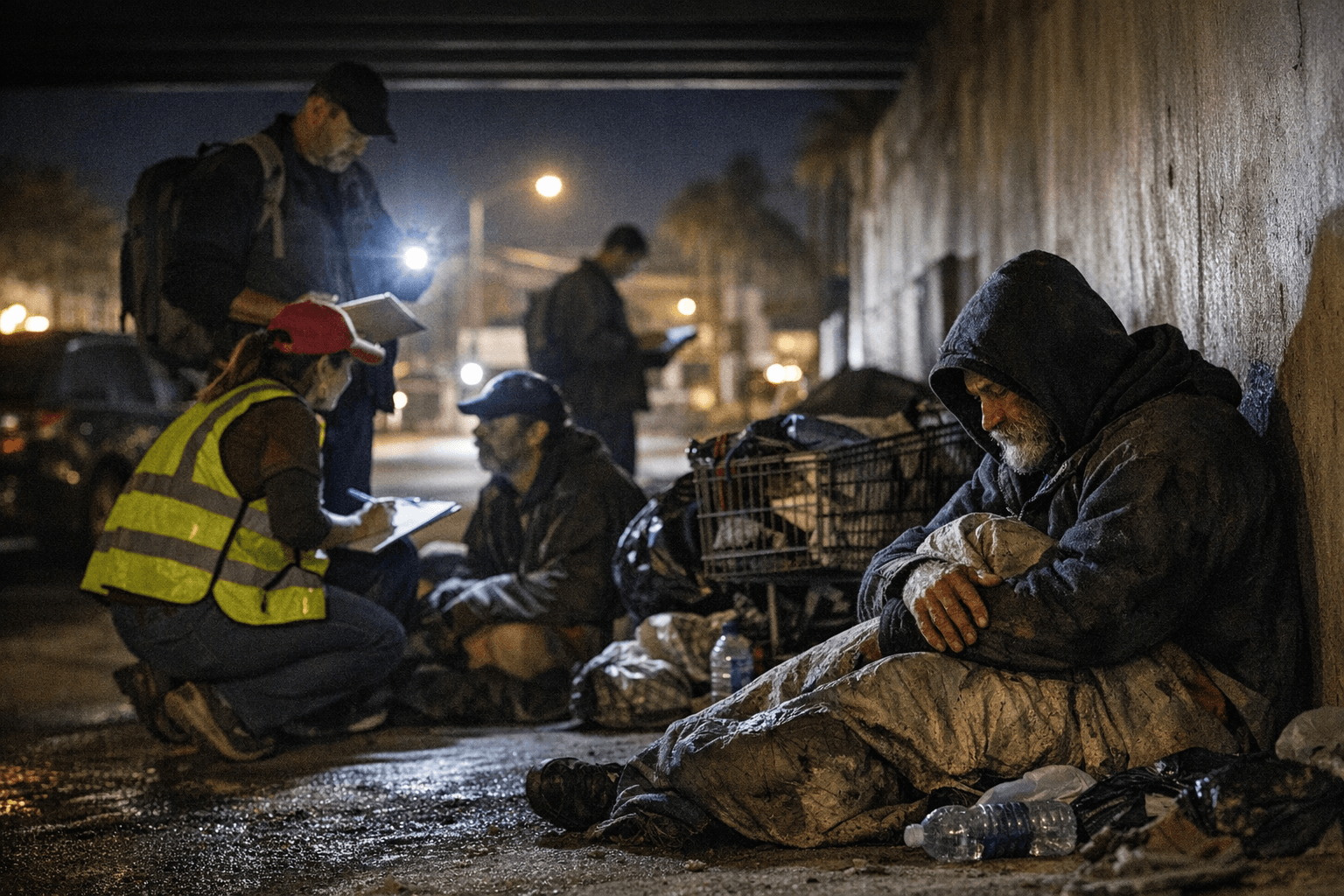
Two local nonprofits, the Yuma Coalition to End Homelessness and Salvation Army Yuma, teamed up to conduct the county’s Point-in-Time Count, an annual one-day survey used nationwide to measure people experiencing homelessness and inform funding and services. The local effort took place as part of that wider initiative and was aimed at producing data that helps shape grant applications, service planning, and public health outreach across Yuma County.
Volunteers canvassed neighborhoods and outreach routes, speaking with people experiencing homelessness and asking a standard set of questions designed to identify housing status and service needs. As part of the survey, volunteers asked whether individuals had been unsheltered on the night of January 27 and gathered information that will be used to identify trends and support funding requests for shelters, health services, and other community programs.
The count carries direct implications for public health and community services. Accurate local data helps nonprofit providers and public agencies prioritize resources for emergency shelter beds, medical outreach, behavioral health services, and preventive programs that reduce exposure to extreme heat and other health risks common for people without stable housing. For a border and agricultural community like Yuma, where seasonal workers and low-income households face unique housing pressures, the information plays a role in addressing systemic gaps in housing and health equity.
Organizers asked residents to step forward with both time and material support. One local, John Clapp, urged participation: "If they have the time, yes. If we are the great America that I believe we are that I fought for, then I think we should have programs in place to help reach out," Clapp expressed. Lt. Amber Herzog with Salvation Army Yuma outlined a concrete way to help the volunteers’ work by donating items for thank-you backpacks: "We put together backpacks because it's a voluntary survey, we like to give a thank you backpack with essentials, just looking for snack items and feminine hygiene items that we can also place in these thank you backpacks."
Those backpacks are intended as a small, respectful token for people who take part in the voluntary survey; donated supplies also provide immediate relief while longer-term housing solutions are pursued. Beyond handouts, the data produced by the count informs how organizations request grant funding and coordinate services, which can expand shelter capacity and outreach programs in neighborhoods most affected by housing instability.
For Yuma residents, the count underscores how volunteer time and donated essentials translate into stronger funding cases and more targeted local services. As agencies analyze the results and pursue funding, the community can expect outreach plans and funding proposals to reflect the county’s specific needs and the priorities identified through this survey.
This article was produced by Prism’s automated news system from verified source data, official records, and press releases, then run through automated quality and moderation checks before publishing. The system is built and supervised by the people who set the standards it runs under. Read our full AI policy.
Did this article answer your question?