Yuma recognizes May 2026 for missing and murdered Indigenous women
Red shirts filled Yuma City Hall as Yuma marked May for missing and murdered Indigenous women and relatives. Roxanne Barley said the recognition was years in the making.
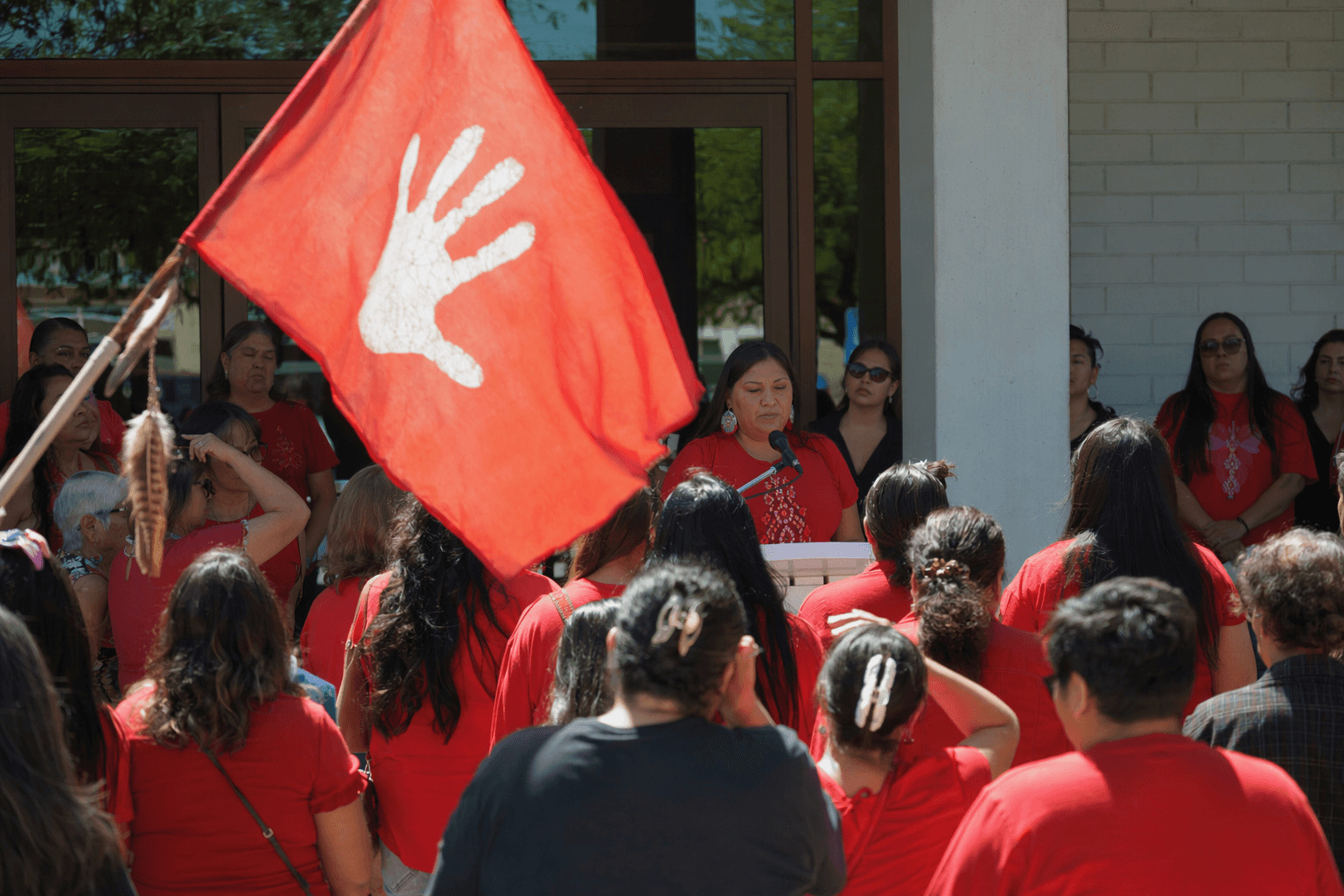
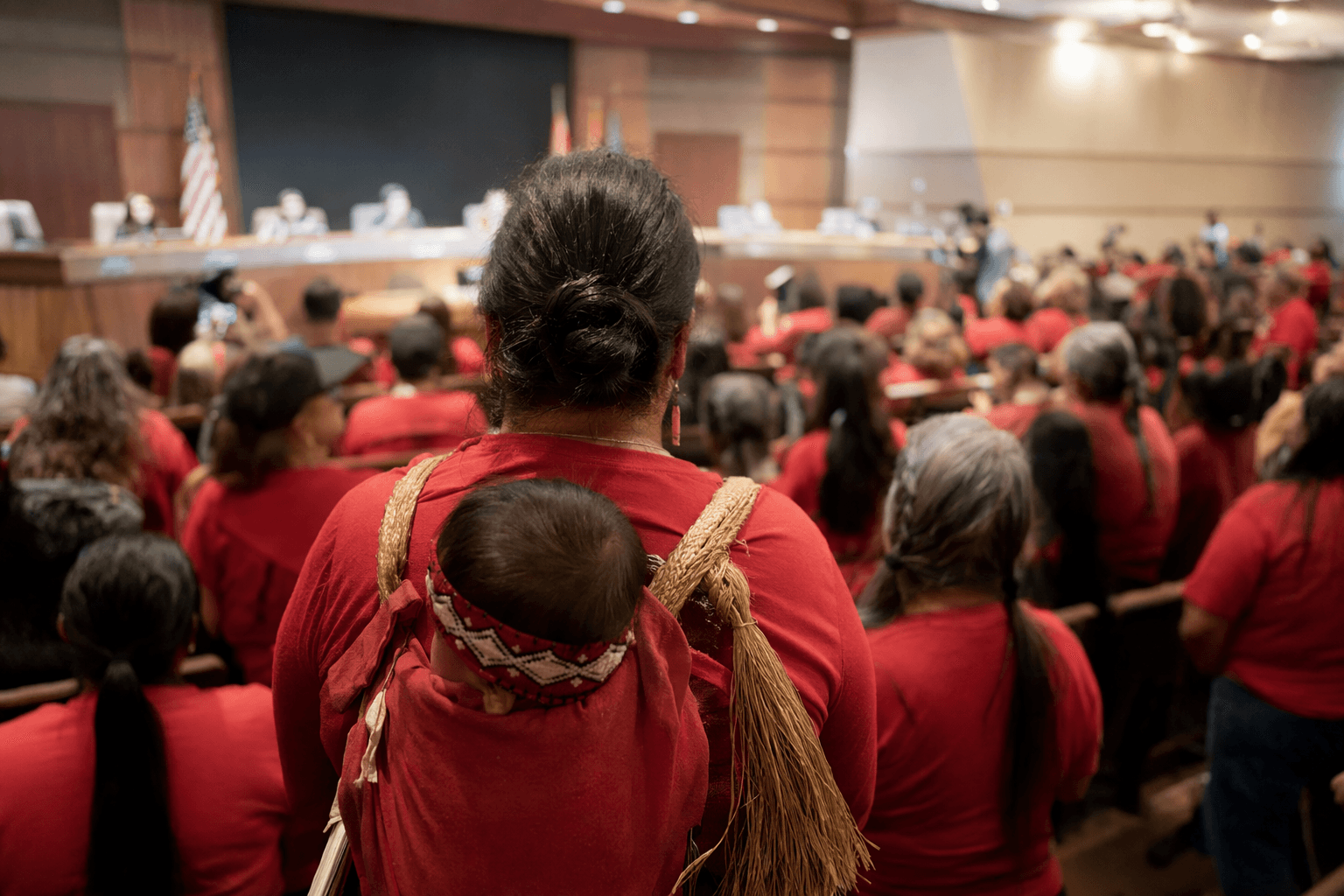
Red shirts filled Yuma City Hall as the City of Yuma formally recognized May as a month of remembrance and awareness for missing and murdered Indigenous women and relatives. The proclamation was read at the May 6 City Council meeting at 1 City Plaza, where community members showed up in support of the Missing and Murdered Indigenous Women movement.
For Roxanne Barley, a member of the Cocopah Indian Tribe, the moment capped years of work inside the council chamber and out in the community. Barley said she had been pushing for the proclamation for several years, attending council meetings, holding candlelight vigils and organizing marches to keep the issue in front of city leaders.
Mayor Douglas Nicholls said the proclamation reflected the importance of bringing the community together while honoring those who have served and sacrificed for public safety in Yuma. The council’s action came during the National Week of Action for MMIWR, which the National Indigenous Women’s Resource Center said ran from May 4 through May 8.
The local recognition carried weight far beyond ceremony. Advocacy groups and public-health researchers have described violence against Native women as a crisis, and the Urban Indian Health Institute has said murder is the third-leading cause of death for Native women. UIHI also says Native women face a 2.5 times higher risk of rape or sexual assault than the rest of the country.
Those numbers are part of what makes the Yuma proclamation more than symbolic for families on the Cocopah Indian Tribe reservation area near Somerton and across Yuma County. A 2017 UIHI report found 5,712 reports of missing American Indian and Alaska Native women and girls in 2016, while only 116 cases were logged in the federal NamUs database. Barley and other advocates have used those gaps to press for better coordination, faster alerts and stronger responses when Indigenous women disappear.
The question now is whether the city’s recognition leads to anything residents can see and measure: closer work between city officials, tribal leaders and law enforcement, clearer missing-person reporting, and more attention to how cases are handled when an Indigenous woman or girl goes missing. For families in Yuma, the proclamation set a public expectation that awareness will be matched by action.
Know something we missed? Have a correction or additional information?
Submit a Tip