Yuma resident says rabbit infestation is damaging property, frustrating neighbors
Rabbits are chewing through Yuma yards and gardens, and one resident says years of complaints have not stopped the damage.
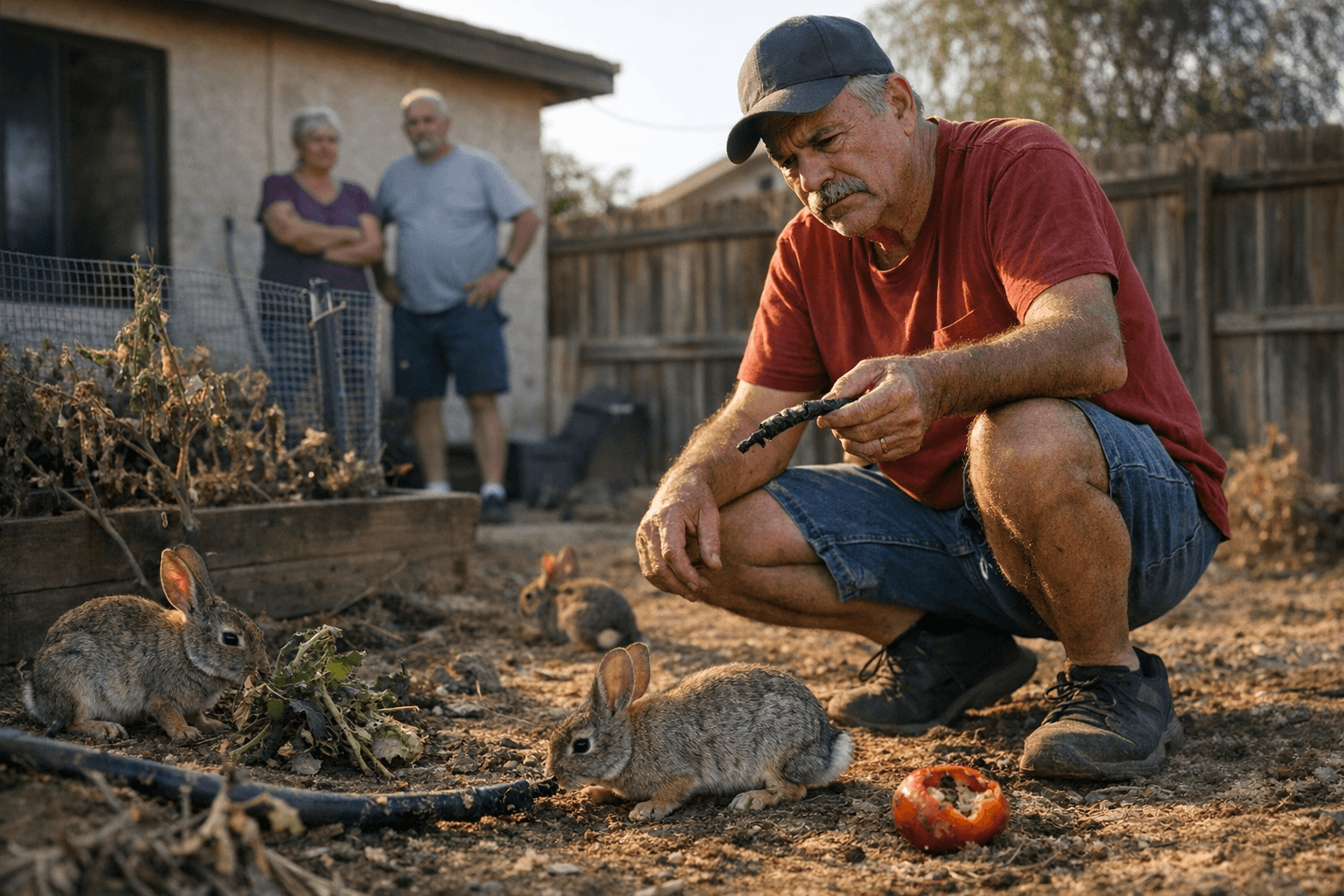
An exploding rabbit population has been damaging property in a Yuma neighborhood, according to a resident who says years of complaints to authorities have not solved the problem. The animals have spread from yard to yard, frustrating neighbors as they cut into already tight household budgets with repairs, replacement plants and cleanup.
University of Arizona Cooperative Extension says the most common rabbit in Arizona is the desert cottontail, and that the species is especially plentiful in years with abundant winter precipitation. Extension materials say rabbits can be destructive to tender annuals, vegetables, and newly planted trees and shrubs, and can do considerable damage to landscape and garden plants. In other words, the problem is not just cosmetic. For families trying to keep up with home gardens, shade trees and front-yard landscaping, repeated rabbit damage can mean extra costs and repeated replanting.
Arizona Game & Fish Department guidance says prevention is the best approach for common urban wildlife conflicts. The department advises residents not to feed wildlife, and says neighbors working together are most effective when feeding activity is making wildlife bold. If feeding is part of the problem, the department directs residents to its 24/7 Operation Game Thief confidential tip hotline at 1-800-352-0700.
For homeowners trying to protect plants, University of Arizona Cooperative Extension recommends a sturdy 2-foot-tall poultry-wire fence for cottontail rabbits. The fence should be stretched tight to the ground and preferably buried at least 2 inches to keep rabbits from slipping underneath. That kind of barrier is one of the few practical steps available to residents trying to shield gardens and young shrubs without waiting for a broader fix.
The conflict could also show up in other Yuma neighborhoods. Arizona Game & Fish notes that urban areas and other man-made barriers can affect wildlife movement and habitat connectivity, which means rabbits can shift into places where food and cover are easy to find. In a fast-growing city like Yuma, the same conditions that make one block vulnerable can quickly make the next one vulnerable too.
This article was produced by Prism’s automated news system from verified source data, official records, and press releases, then run through automated quality and moderation checks before publishing. The system is built and supervised by the people who set the standards it runs under. Read our full AI policy.
Did this article answer your question?