Yuma Riverfront and Wetlands Parks Boost Outdoor Health and Community Access
Yuma County’s riverfront and wetlands parks provide year round outdoor recreation and nature access, anchored by the 110 acre West Wetlands Park and downtown Gateway Park. These linked green spaces matter for local health and community equity, offering low cost exercise, family outings, birdwatching and river access while also creating policy challenges around heat safety, accessibility and peak season crowding.
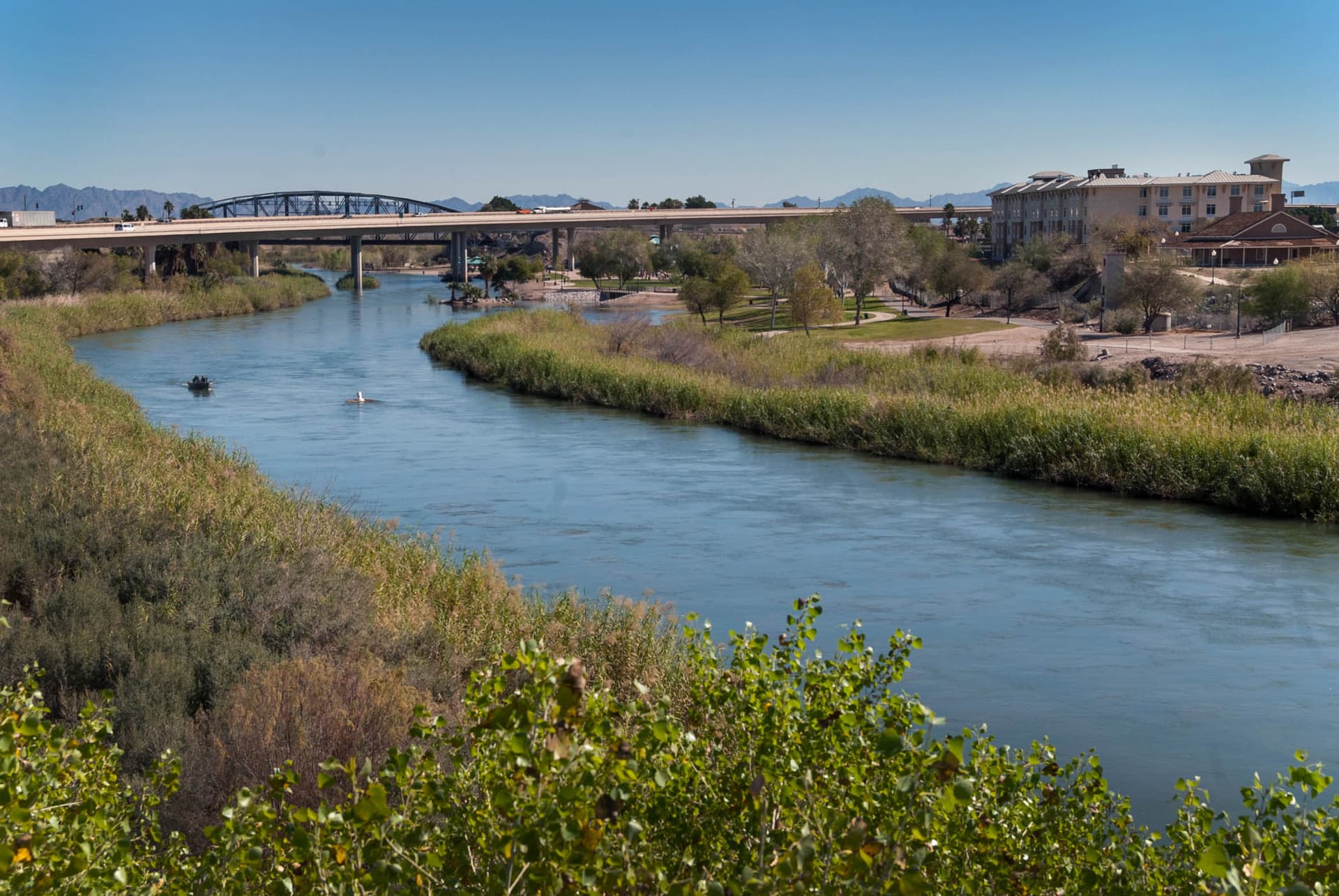
Yuma’s riverfront and wetlands parks are central public assets for residents seeking outdoor recreation, nature contact and community connection. West Wetlands Park spans 110 acre and combines recreation with habitat restoration, featuring lakes, picnic ramadas, the Stewart Vincent Wolfe Creative Playground also called Castle Park, a stocked fishing lake and extensive trails that tie into the broader riverfront system. Gateway Park in downtown Yuma provides river beach access, picnic facilities and direct connections to the paved Colorado River riverfront trail.
Together the East and West Wetlands and the Yuma Crossing National Heritage Area form a linked trail and attraction network that supports birdwatching, family outings, kayaking and river floats, fishing where permitted and accessible strolls along the riverfront. These sites draw residents and visitors throughout the year, and winter weekends typically see higher use when snowbird visitors are in town. Local users are advised to bring water and sun protection because of the desert climate, to check seasonal hours and to secure required fishing permits before visiting the stocked lake.
The concentration of outdoor amenities carries clear public health benefits. Regular access to green space is associated with increased physical activity and reduced stress, offering low cost options for children, older adults and families on limited budgets. At the same time the desert environment and fluctuating visitor volumes create safety concerns. Heat illness risk, limited shade and variable restroom and water availability call for targeted infrastructure improvements to protect vulnerable residents and visitors.
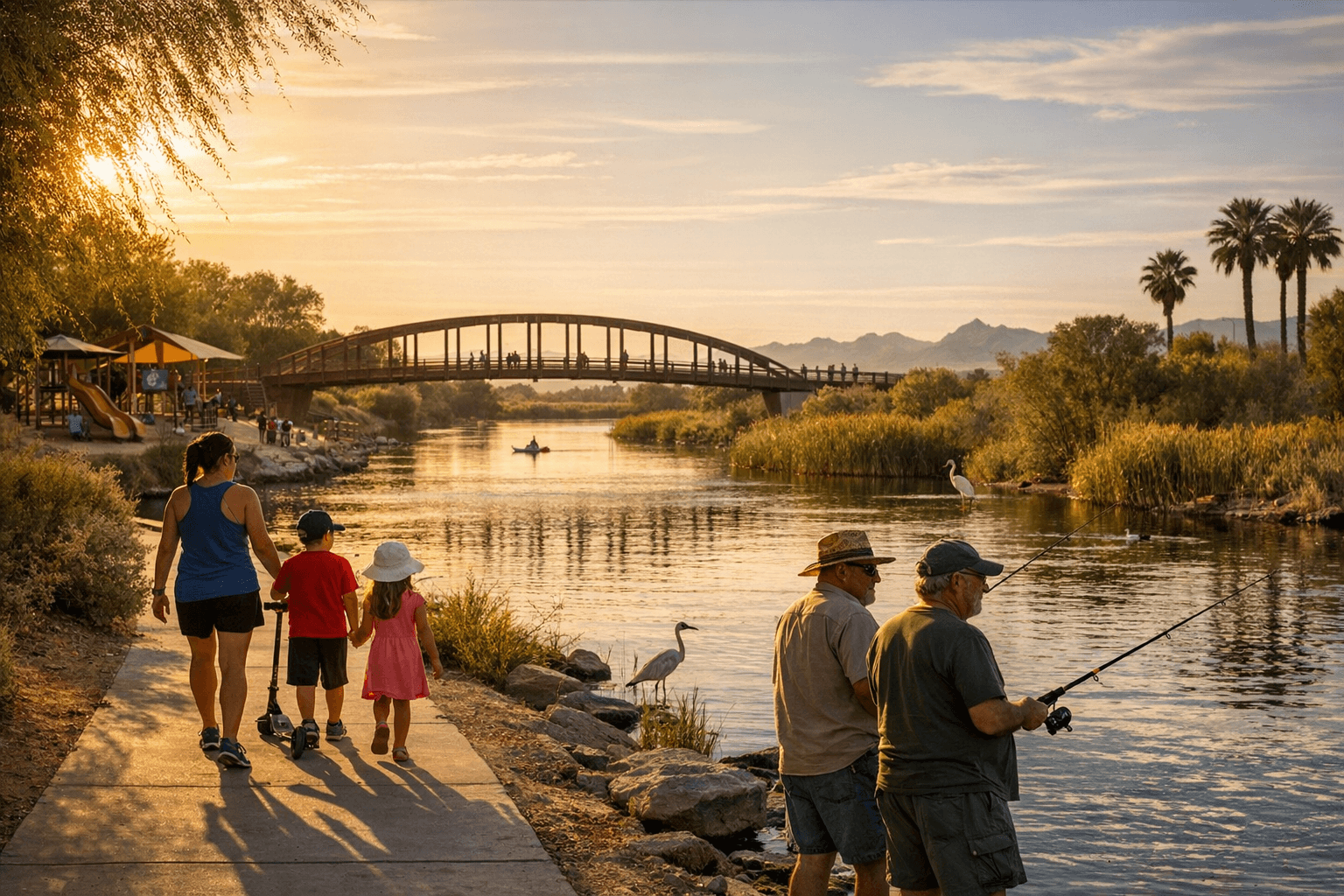
From a social equity perspective, these parks can promote inclusive community health only if access barriers are addressed. Improvements such as additional shade structures, water refill stations, multilingual signage, accessible trail maintenance and equitable permit policies for fishing would expand benefits to low income residents and people with mobility limitations. Strengthening transit connections and coordinating seasonal services can also ease crowding during peak winter months and distribute use more evenly.
Yuma County leaders and parks managers face an opportunity to reinforce public health and community resilience by investing in infrastructure and policies that make riverfront and wetlands recreation safe, inclusive and sustainable for all residents.
This article was produced by Prism’s automated news system from verified source data, official records, and press releases, then run through automated quality and moderation checks before publishing. The system is built and supervised by the people who set the standards it runs under. Read our full AI policy.
Did this article answer your question?