Yuma Riverfront Park Preserves History, Offers Health and Community Benefits
Colorado River State Historic Park anchors Yuma's riverfront as part of the Yuma Crossing National Heritage Area, offering museum exhibits, guided and self guided tours, and a visitor center that supports group visits and events. The park's trails and interpretive programs connect local history to present day recreation, with important implications for public health, community access, and regional planning.
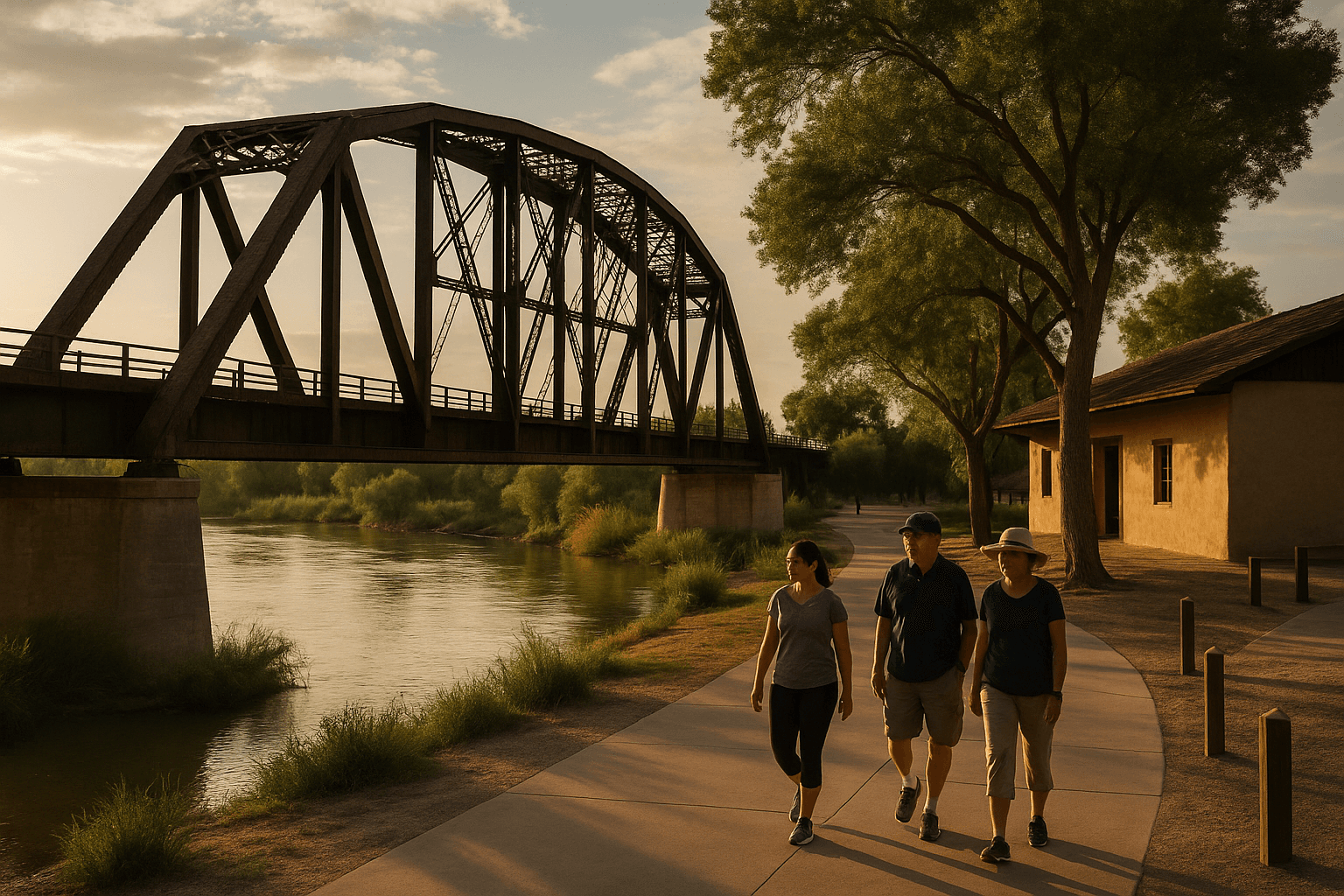
Colorado River State Historic Park sits at the heart of Yuma's riverfront, interpreting the Colorado River's role in regional settlement, steamboat era commerce and the early Army quartermaster depot in the mid 1800s. As a core attraction in the Yuma Crossing National Heritage Area, the park offers museum exhibits and both guided and self guided tours, and the visitor center provides event listings, touring options, and resources for groups planning visits.
The park functions as more than a historic site. It is a hub for riverfront trails and nearby heritage sites that supply regular outdoor space for walking, cycling and informal recreation. Those outdoor opportunities contribute to physical activity and mental well being for residents and visitors, and they create low cost options for school outings and community programming because the visitor center makes group planning resources available.
Economic and social impacts are immediate for Yuma County. Heritage tourism brings visitors to downtown businesses and supports jobs in hospitality and retail. Educational programming at the park can strengthen local history curricula and provide hands on learning about the river that shaped the region. At the same time the park highlights broader policy questions about equitable access to green space, transportation to cultural sites, and the resources needed to maintain public amenities that serve health and recreational needs.
Public health leaders and local policymakers can use the park as a venue for preventive health strategies, including outdoor programming that reduces barriers to exercise and supports mental health. Ensuring the park is reachable by public transit, accessible to people with disabilities, and welcoming to multilingual audiences will determine who benefits from these assets. Ongoing pressures on the Colorado River and regional water management have consequences for the landscape, for cultural interpretation and for community well being, and they should inform conservation and planning decisions.
Colorado River State Historic Park is a living classroom and a public health asset. Preserving its historic resources while expanding inclusive access will help Yuma County meet goals for cultural preservation, economic resilience and community health.
This article was produced by Prism’s automated news system from verified source data, official records, and press releases, then run through automated quality and moderation checks before publishing. The system is built and supervised by the people who set the standards it runs under. Read our full AI policy.
Did this article answer your question?