Yuma still feels border surge strain on hospitals, farms, services
Yuma Regional Medical Center spent more than $26 million on migrant care as the border surge hit. Even with fewer crossings, hospitals, nonprofits and farms still carry the cost.
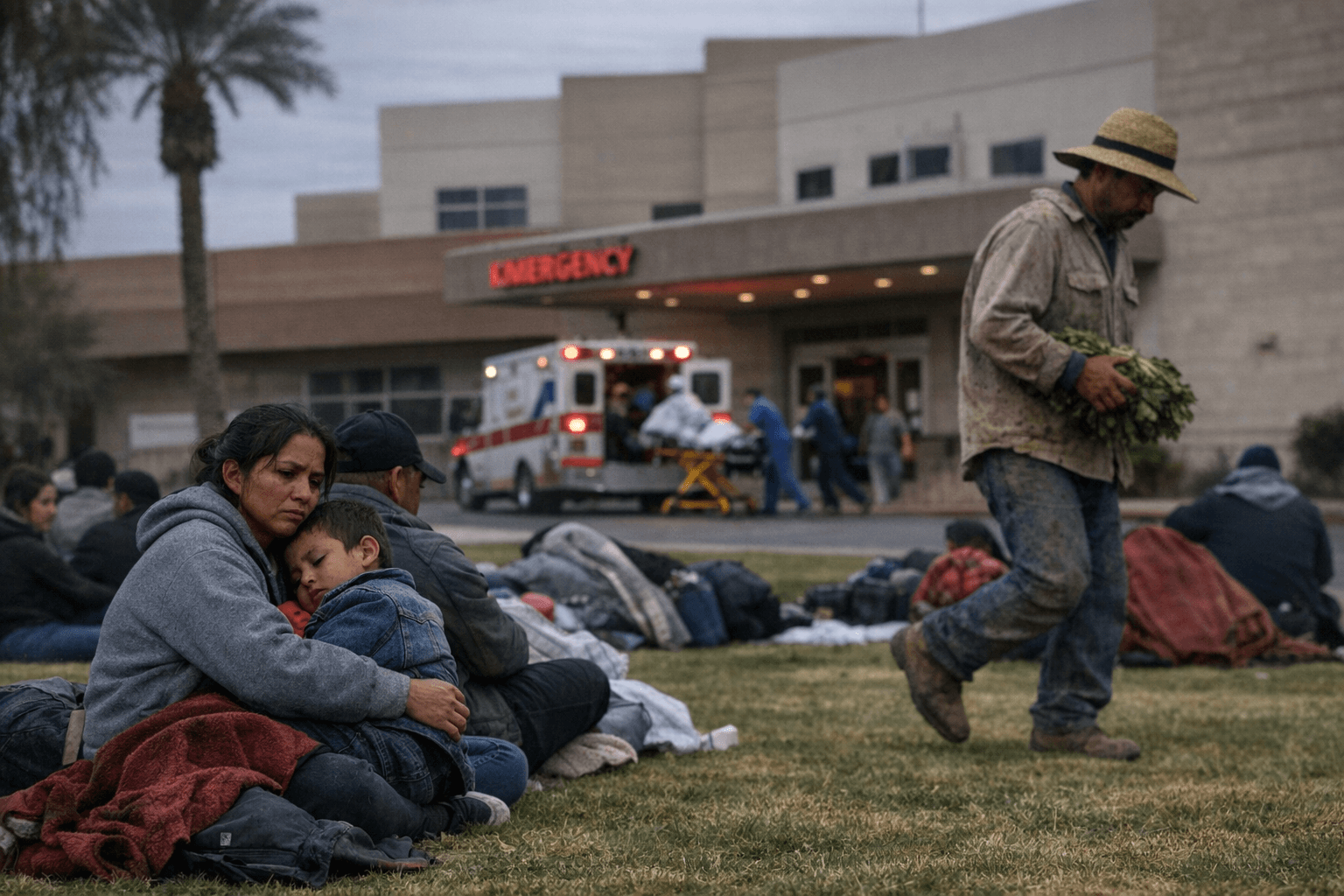
The border surge that filled Yuma’s streets and hospitals in 2021 and 2022 has faded from headlines, but its aftereffects still reach into daily life across Yuma County. Yuma Regional Medical Center said it spent more than $26 million treating migrants over about a year, a burden made heavier by the fact that the hospital is the region’s only major medical center within roughly 180 miles.
That strain was felt during the peak of the surge, when about 6,000 people crossed in a matter of days in December 2021. Even as U.S. Customs and Border Protection later reported that July 2024 southwest-border encounters were the lowest monthly total since September 2020, local institutions kept absorbing the costs of the earlier wave. The Yuma Border Patrol Sector spans about 181,670 square miles and secures 126 miles of the U.S.-Mexico border, a sweep that helps explain why rescues, processing and medical referrals can hit a single population center hard.
In Somerton, the Regional Center for Border Health became one of the region’s pressure valves. The nonprofit said its transition center had helped more than 215,000 migrants since February 2021, moving people through short-term support after Border Patrol processed them. In 2024, the center faced funding uncertainty for the seven-day-a-week services it provides, before Yuma County and other Southern Arizona migrant-service agencies received additional financial help in April.

The agricultural economy has also remained tied to the same flow of people and pressure. Yuma is widely known as the winter lettuce capital of the world, and growers still depend on migrant workers and H-2A guest workers to harvest produce across the fields around Yuma, San Luis and the Yuma-Pima County line. That dependence creates a local contradiction: the same region that carried the heaviest public-service burden from the surge also relies on mobile labor to keep farms running.
Federal policy shifts changed the border numbers, but they did not erase the local bill. Title 42 expulsions ended on May 11, 2023, and the monthly encounter totals later dropped, yet Yuma’s hospitals, nonprofit service centers and farm operations continued working through the residue of the crisis. In a county built around a border crossing and a labor-intensive harvest, the surge still shows up in the cost of care, the pace of service, and the fragility of the institutions that absorb both.
This article was produced by Prism’s automated news system from verified source data, official records, and press releases, then run through automated quality and moderation checks before publishing. The system is built and supervised by the people who set the standards it runs under. Read our full AI policy.
Did this article answer your question?