Yuma stormwater returns to Colorado River within selenium limits
Yuma’s runoff is still clearing the selenium standard, a small technical finding with big meaning for the Colorado River, farms, and neighborhood drainage.
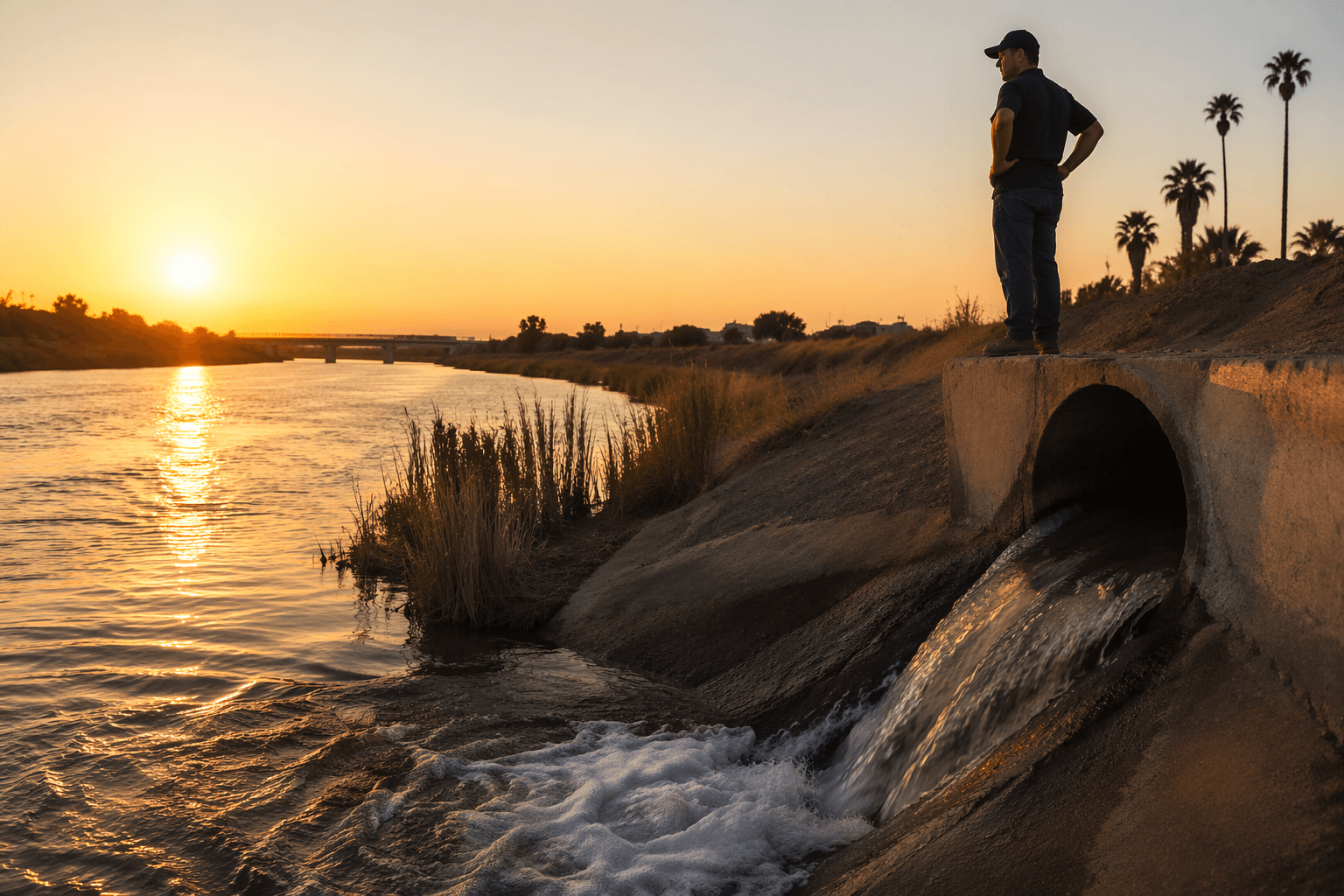
Yuma’s stormwater is still meeting the selenium limit before it flows back into the Colorado River, a finding that matters far beyond a routine council packet. For a desert city built around the river, the annual update is a basic test of whether runoff from streets, neighborhoods, and industrial areas is being handled safely before it reenters the waterway that supports local life, agriculture, and recreation.
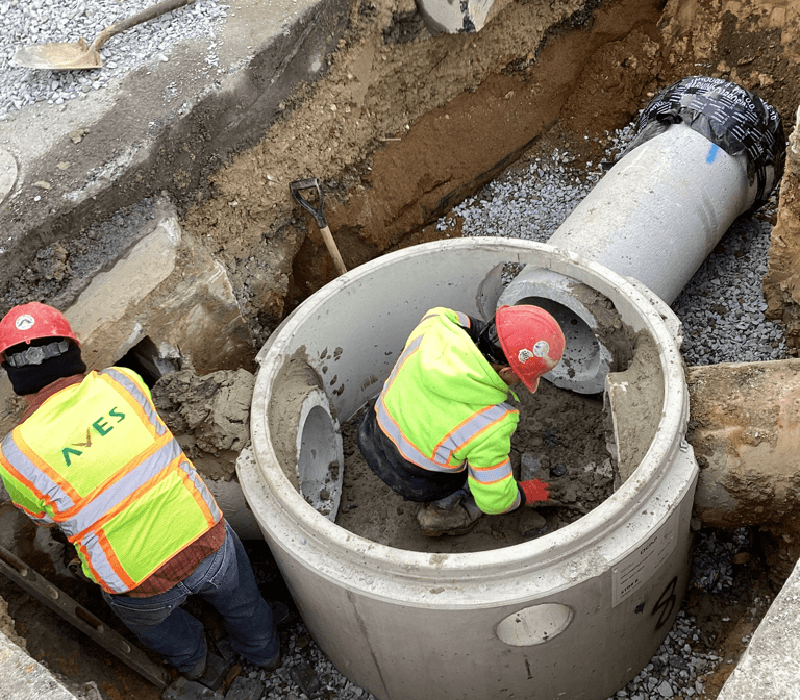
The City of Yuma said its stormwater is collected through separate storm sewer networks with catch basins and detention basins, then discharged by gravity or lift stations. The city’s receiving waters are the Colorado River and the East Main Canal, which makes the city’s stormwater program part of a larger water-security picture in Yuma County. State and federal laws require the city to report on stormwater quality each year, turning a technical compliance requirement into a public measure of environmental accountability.
The city is regulated as a small Municipal Separate Storm Sewer System under Arizona Pollutant Discharge Elimination System coverage, and the Arizona Department of Environmental Quality says small MS4 programs must reduce pollutant discharges to the maximum extent practicable while meeting Clean Water Act water-quality requirements. ADEQ’s current general permit for small MS4s, AZG2021-002, runs through midnight on Sept. 29, 2026, keeping Yuma’s stormwater obligations on a firm regulatory clock.
That matters because selenium is one of the standards officials use to judge whether stormwater can safely return to the river system. When the city says its runoff stays within the required limits, the message is not just that a box was checked. It means the drainage system, monitoring program and maintenance work are functioning well enough to avoid sending water downstream that fails state and federal standards.
Yuma County has its own stormwater program, managed by the Environmental Programs Division to comply with the federal Clean Water Act, and the county publishes annual stormwater reports, including a 2024 report and earlier records on its stormwater quality page. Taken together, the city and county programs show that stormwater oversight in Yuma is continuous, not occasional, and that both levels of local government are expected to track what leaves their drainage systems.
The broader stakes are even clearer after the city’s March 12 comments on the post-2026 Colorado River operating guidelines process, when Yuma said it depends entirely on the Colorado River as its sole municipal water supply. In that context, keeping stormwater within selenium limits is not a paperwork exercise. It is part of protecting the river system Yuma relies on every day.
This article was produced by Prism’s automated news system from verified source data, official records, and press releases, then run through automated quality and moderation checks before publishing. The system is built and supervised by the people who set the standards it runs under. Read our full AI policy.
Know something we missed? Have a correction or additional information?
Submit a Tip