Yuma Students, Transit Riders, and Ag Leaders Shape County Policy Debates
YCAT has returned nearly $12 million in federal transit funds over four years while Yuma's $3.4B farm economy faces mounting water pressure; here's what three local policy fights mean for you.

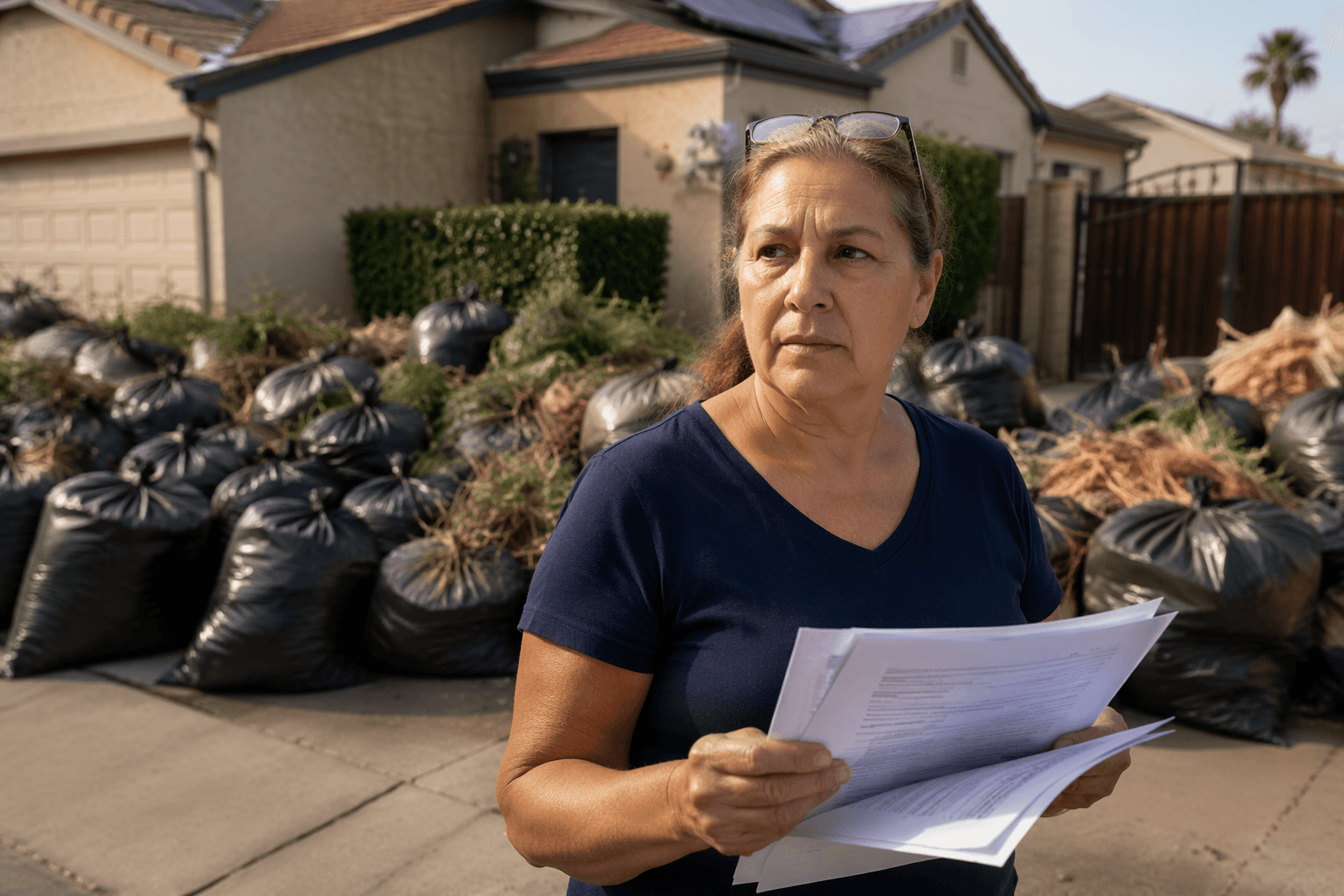
Nearly $12 million in federal transit dollars has quietly left Yuma County's hands over the past four years, returned to the state because local governments couldn't scrape together the required matching funds to claim it. That figure, set alongside water-policy decisions with direct consequences for the region's $3.4 billion agricultural sector and a San Luis High School student who traveled solo to the Arizona State Capitol to argue for her community, forms the core of three intertwined policy debates shaping Yuma County right now.
KAWC Colorado River Public Media's Arizona Edition packaged these stories together this spring, framing them not as separate beats but as chapters of the same economic story: a county whose workers ride buses to farm fields, whose school-age residents are learning that Phoenix committees determine how much water flows to their families, and whose growers convened in Yuma just weeks ago to map a path through drought and labor strain.
Here is what each story means for daily life, and where the pressure points are.
The Yellow Route and the $12 Million That Keeps Walking Out the Door
The Yellow Route is the backbone of Yuma County Area Transit, known as YCAT. It carries approximately 240,000 riders a year between San Luis and Yuma, making it the system's single highest-performing corridor and a daily necessity for farm workers, students traveling to Arizona Western College, and residents reaching medical appointments and services in the city. YCAT's fixed-route network also covers San Luis, Somerton, Wellton, the Cocopah Indian Reservation, Fortuna Foothills, and unincorporated communities stretching into Gadsden and Ligurta, with cross-border service reaching Winterhaven and El Centro, California. Weekday buses run from roughly 5:30 a.m. to 8:30 p.m.
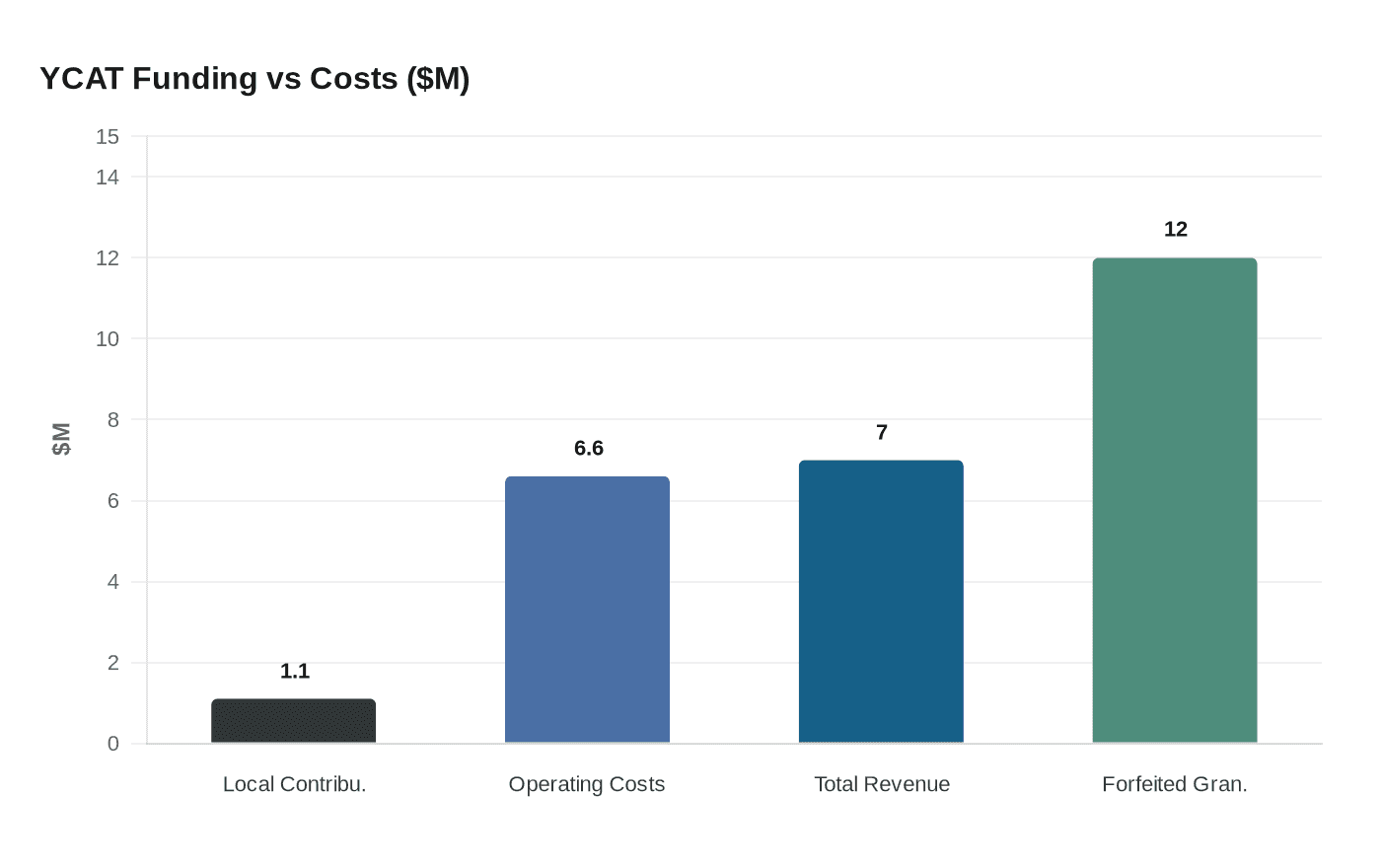
The system logs more than 400,000 total rides each year. Yet the Yuma County Intergovernmental Public Transportation Authority, YCIPTA, which operates YCAT, has returned nearly $12 million in federal grants over four years because local jurisdictions have not provided enough matching funds to unlock them. Federal transit dollars require a dollar-for-dollar local match, and that match has remained persistently short.
For fiscal year 2026, YCAT's partner governments, including the cities of Yuma, San Luis, and Somerton, Arizona Western College, and two tribal governments, increased their contributions by 3 percent. That brought total local funding to roughly $1.1 million, about $30,000 more than the year before. But YCAT's projected operating costs for the same period are $6.6 million, with total revenue from all sources estimated around $7 million. Transit Director Shelly Kreger put the mismatch bluntly: "Running our service goes up 5% so 5% of $6 million is not $30,000."
What would more funding actually buy? Half-hour headways instead of current one-hour waits on most routes. Fleet expansion. Service in parts of the county that currently have none. For a county whose seasonal and year-round agricultural workforce depends on reliable transit to reach work, the consequences of underfunding are not abstract.
Actionable takeaway: YCIPTA's board meetings are the direct venue where local jurisdictions commit, or fail to commit, to the matching dollars that determine how many federal grants YCAT can actually use. Workers, employers, and elected officials who want to stop forfeiting transit funding can engage YCIPTA at its administrative offices at 2715 East 14th Street in Yuma or by phone at 928-539-7076.
90 Percent of America's Winter Vegetables, and the Pressures Behind Them
Yuma County's agricultural economy produces nearly $3.4 billion in products annually and accounts for roughly 90 percent of the United States' winter vegetable supply. That concentration of productive output, more than 600,000 acres of irrigated land within 120 miles of Yuma, makes the region indispensable to North American food supply chains from October through March. It also means the county absorbs shocks from water scarcity, labor policy, and supply-chain disruption with unusually high stakes.
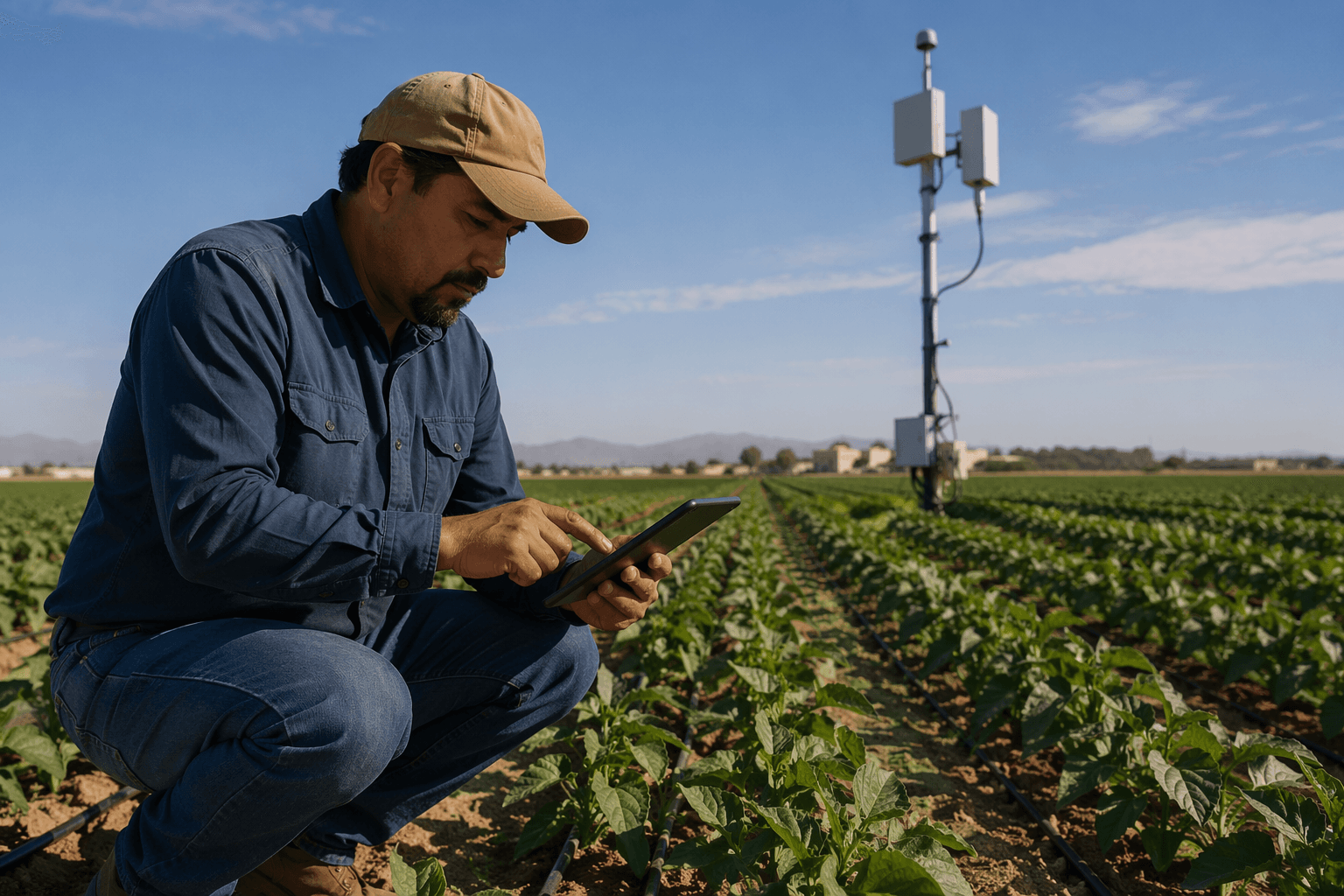
Those pressures brought industry leaders to Yuma for the Southwest Ag Summit, organized by the Yuma Fresh Vegetable Association in partnership with the University of Arizona, Arizona Western College, and the Yuma County Farm Bureau. The summit, held February 12-14, 2026, is widely regarded as the desert Southwest's premier annual agriculture industry gathering, drawing growers, researchers, and stakeholders from Arizona, New Mexico, Southern California, and Northern Mexico.
Sessions addressed irrigation management, crop protection, fresh produce food safety, energy conservation, and new cropping technologies. Immigration reform as it relates to farm labor access was also on the agenda, a topic with direct consequences for Yuma County operations that depend on a cross-border workforce. The range of topics at a single event reflects the sector's current reality: water allocation, labor availability, and market logistics are each under strain simultaneously, and growers are looking for practical tools, not wait-and-see strategies.
Actionable takeaway: For consumers, the outcomes of agricultural water negotiations and labor policy debates in 2026 will directly shape winter vegetable availability and prices in the coming growing season. For growers, the summit's irrigation and technology sessions represent the most accessible entry points for adopting drought-resilience practices before next year's crop cycle begins.
A San Luis Student Makes the Case in Phoenix
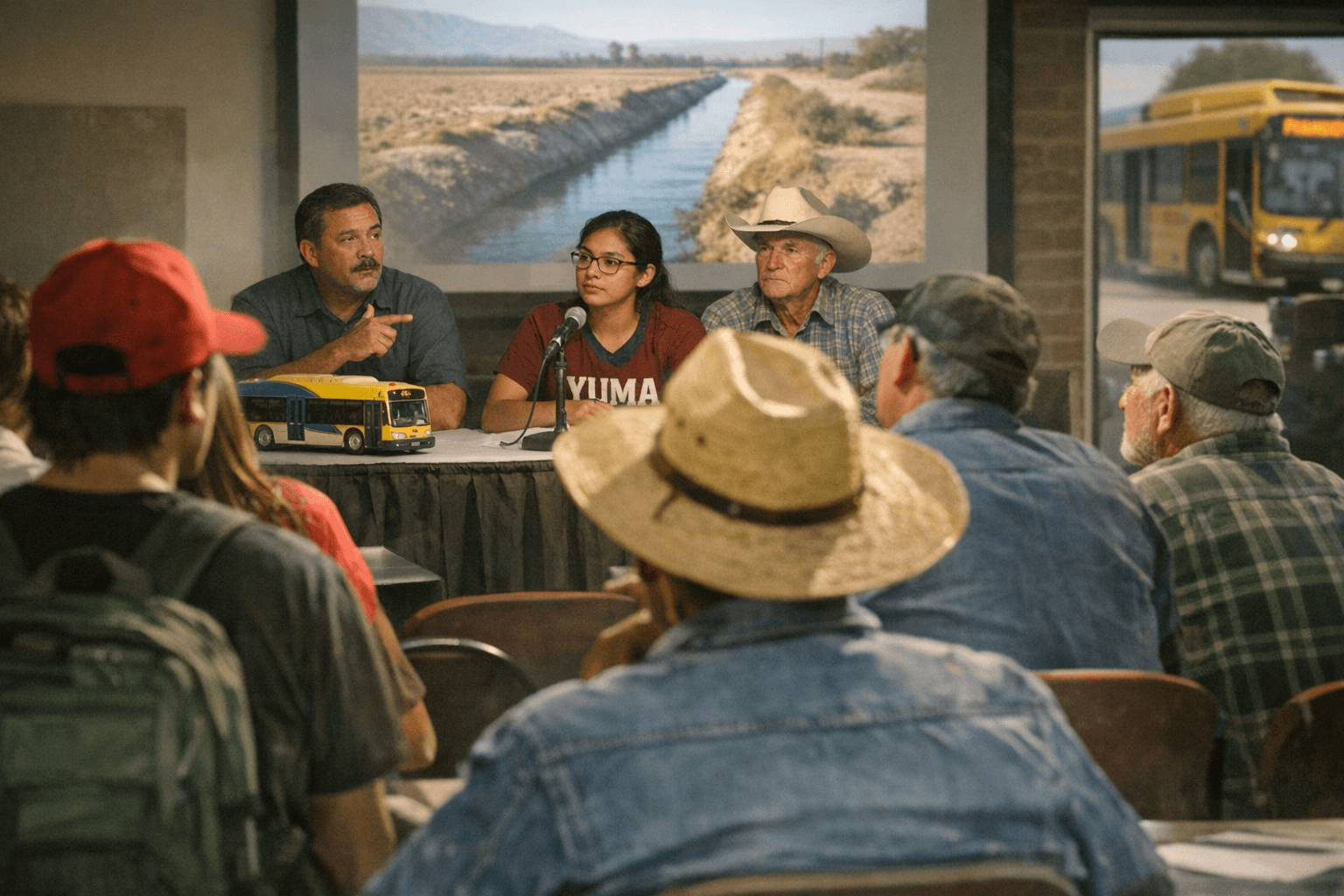
A student from San Luis High School traveled to the Arizona State Capitol in Phoenix to advocate on Colorado River water policies affecting Yuma County farmers and communities. The student's trip, covered by KAWC Arizona Edition, is part of a visible shift in how younger residents in the county's border communities are engaging with statewide policy: not waiting for institutional representatives to speak on their behalf, but going directly to the lawmakers whose decisions determine water availability for Yuma fields and households.
Colorado River policy has immediate stakes in San Luis, where agricultural employment sustains a significant share of the local economy. As Bureau of Reclamation shortage declarations at Lake Mead have deepened in recent years, the question of how reduced allocations will be distributed among farming operations, tribal nations, and municipal users has grown more urgent. A student from that community making the trip to Phoenix to name those stakes for legislators represents a form of civic engagement that is harder to dismiss than a form letter or a constituent survey.
KAWC's coverage of the student's advocacy framed it alongside the transit and agriculture stories deliberately: in Yuma County, water policy, worker mobility, and farm viability are not separate issues. They are the same conversation about what the regional economy can sustain.
Actionable takeaway: Arizona's Colorado River management frameworks are still being shaped, and formal comment windows remain open at the state level. Yuma County residents with direct economic ties to agriculture, particularly those in San Luis and Somerton where farm employment is concentrated, have standing to weigh in before those allocations are locked in for the next cycle.
What to Watch Next
The most concrete near-term decision point is YCIPTA's funding cycle. The authority must secure meaningful increases from its member jurisdictions before the next federal grant window opens, or another round of transit dollars will be forfeited. The board's deliberations on local match commitments are public, and the outcome will determine whether the Yellow Route can grow to meet demand or continues running on the margins of what it could offer.
On the water side, Arizona state-level deliberations on Colorado River shortage tiers are expected to move through additional public input phases in 2026. Yuma County agricultural stakeholders, growers, water districts, and community groups have formal channels to participate before those frameworks become final.
The three stories KAWC brought together are not coincidental neighbors on a broadcast lineup. The farm worker riding the Yellow Route from San Luis at dawn, the grower in a February summit session recalculating irrigation schedules, and the high school student standing in a Phoenix committee room making the case for her county's water share are all navigating the same set of pressures, inside the same regional economy, toward the same question of what Yuma County will be able to sustain in the years ahead.
This article was produced by Prism’s automated news system from verified source data, official records, and press releases, then run through automated quality and moderation checks before publishing. The system is built and supervised by the people who set the standards it runs under. Read our full AI policy.
Did this article answer your question?