Yuma Temple Planned, Will Reduce Two Hour Travel Burdens
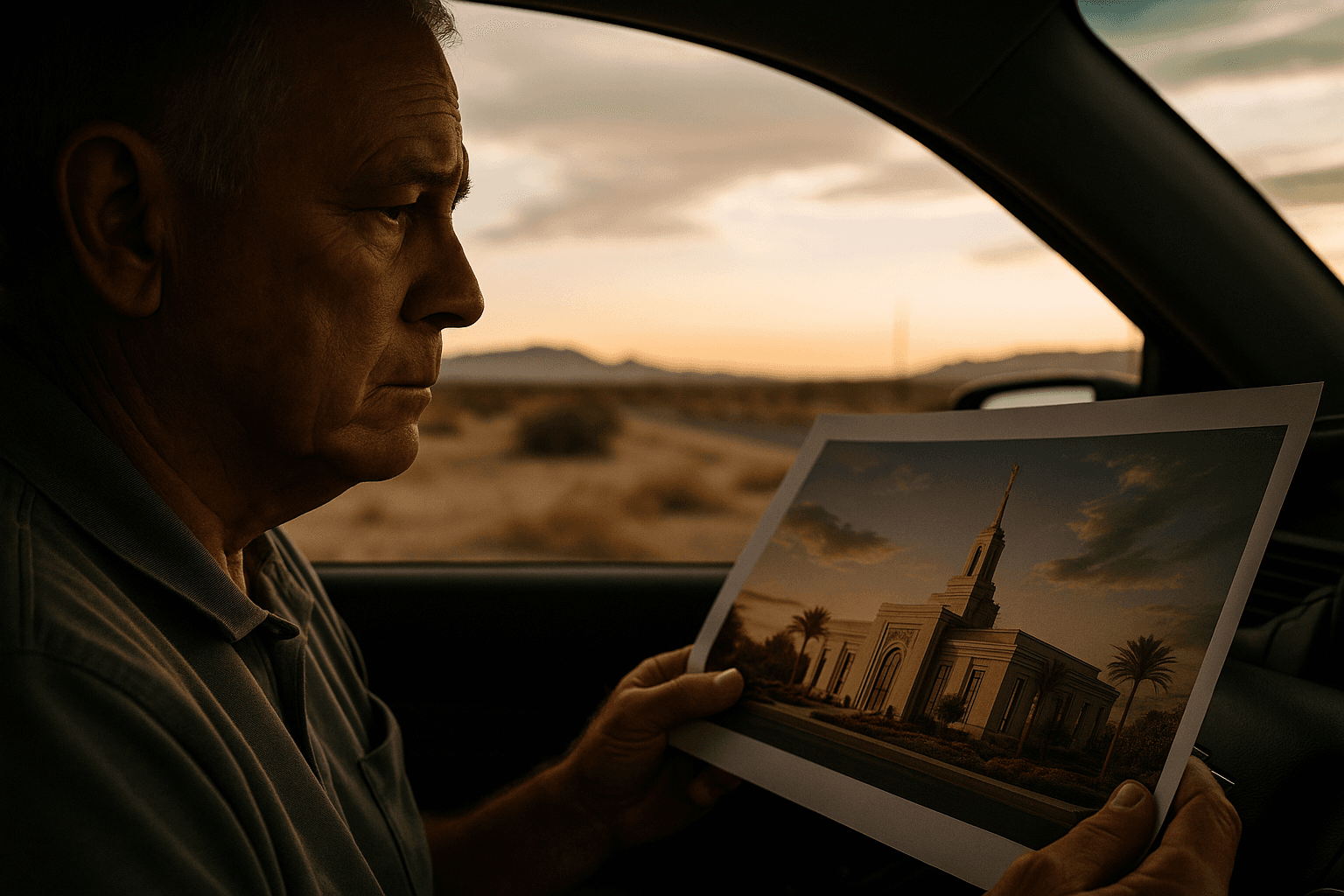
The Church of Jesus Christ of Latter day Saints released a first look rendering and site details on December 1 for a planned temple in Yuma, signaling a major change for local members who now travel long distances. The single story design on roughly seven acres near East 36th Street and South 8 East Avenue matters for residents because it could ease travel burdens, alter local traffic and land use, and raise questions about access and community planning.
The Church of Jesus Christ of Latter day Saints released a first look rendering and site information on December 1 for a proposed temple in Yuma. The single story building is planned for roughly seven acres near East 36th Street and South 8 East Avenue. Church representatives said the temple will reduce travel burdens for members who often drive about two hours to reach the nearest temples in larger cities.
Temples serve a different role than regular meetinghouses, with grounds typically visible to the public and building interiors reserved for members. Local reporting explained the basic distinctions and noted that the new Yuma site would be distinct from neighborhood meetinghouses where regular worship services are held.
For Yuma County residents the proposal has several immediate implications. Members of the church will likely face shorter trips, which can reduce time away from work, childcare responsibilities, and travel costs. Shorter travel also improves access for older adults and people with limited mobility for whom multi hour trips can be a barrier to participation in religious life.
The project also raises community level concerns about traffic, parking, and land use around East 36th Street and South 8 East Avenue. City planners and neighborhood residents will need to consider how construction and increased visitors might affect local streets, pedestrian safety, and infrastructure. The presence of a prominent religious site may change patterns of activity in the area and will require coordination with municipal services.
From a public health and equity perspective the temple could reduce transportation related burdens that disproportionately affect low income households and rural residents. At the same time the city will need to ensure inclusive access, such as safe sidewalks, accessible parking, and transit connections for those who cannot drive.
The released rendering and site information mark an early stage in a process that will involve permitting and community engagement. As details solidify, residents will have opportunities to review plans and raise concerns about land use, access, and neighborhood impacts.
This article was produced by Prism’s automated news system from verified source data, official records, and press releases, then run through automated quality and moderation checks before publishing. The system is built and supervised by the people who set the standards it runs under. Read our full AI policy.
Did this article answer your question?