Yuma Territorial Prison hosts speakeasy night for 150th anniversary
For $15, Speakeasy Night turned Yuma Territorial Prison into a 1920s-style draw, with live music, drinks and anniversary proceeds sent back to the park.
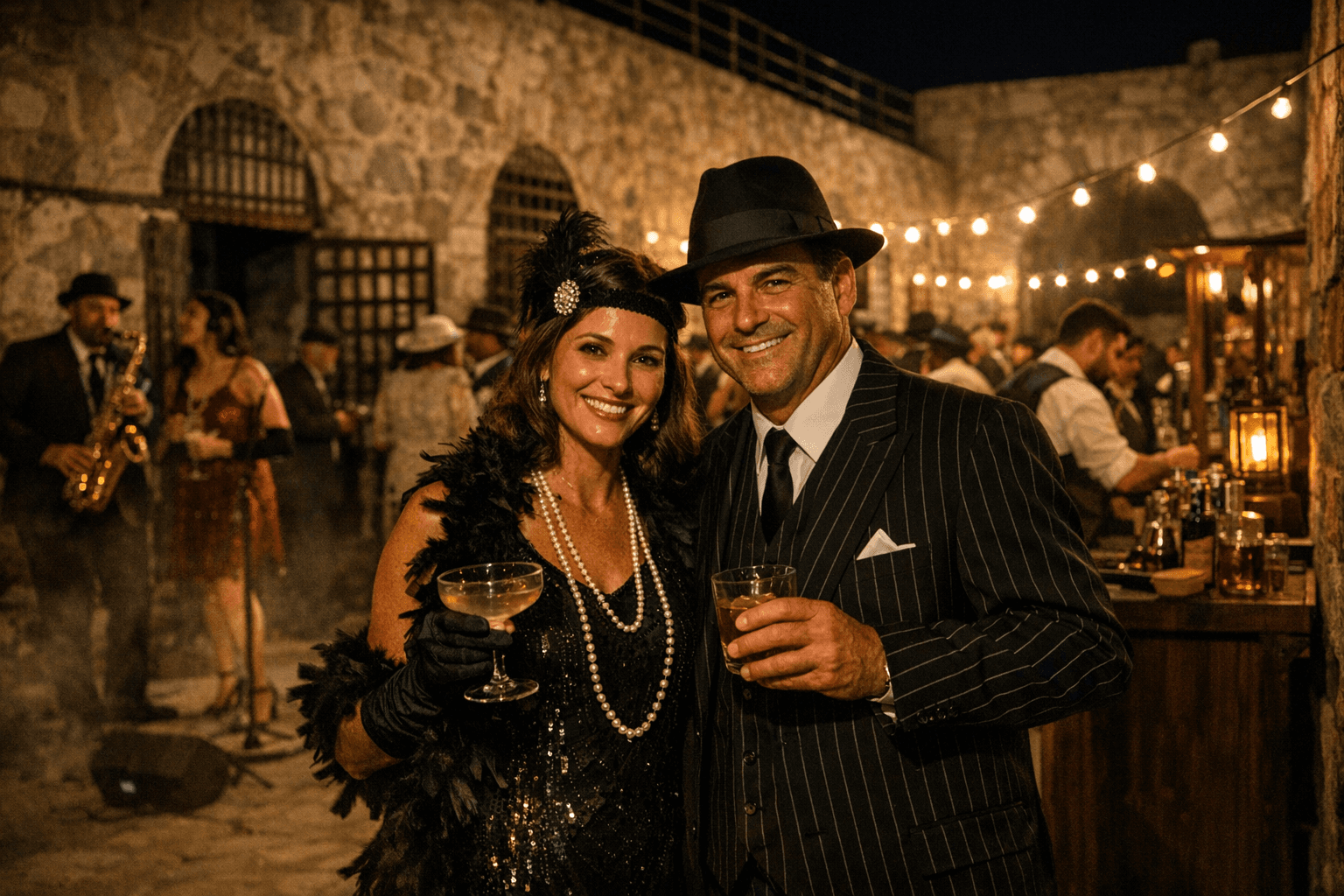
The Yuma Territorial Prison traded its stark history for outlaw charm Saturday night, turning one of Yuma’s best-known landmarks into Speakeasy Night, a ticketed after-hours event built around live music, drinks and a Prohibition-era atmosphere. The event ran from 7 p.m. to 10 p.m., and the $15 admission went back to the prison as it marked its 150th anniversary.
Inside the prison grounds, the mood was far removed from the confinement the site once represented. Prison manager Yana Cruz said the crowd showed up in full 1920s style, helping create a gala feel in a place that once held some of Arizona’s most notorious inmates. The idea was more than novelty. It tied a social night out directly to preservation, public history and the ongoing effort to keep the site active as a destination rather than a relic.
That anniversary carries real historical weight in Yuma. The first seven inmates moved into the facility on July 1, 1876, just months after ground was broken on April 28, 1876. The prison operated for 33 years before overcrowding forced inmates to be moved to Florence, Arizona. More than a century later, the same walls are being used to tell a different story, one that now includes themed programming, exhibits and events aimed at drawing new visitors.
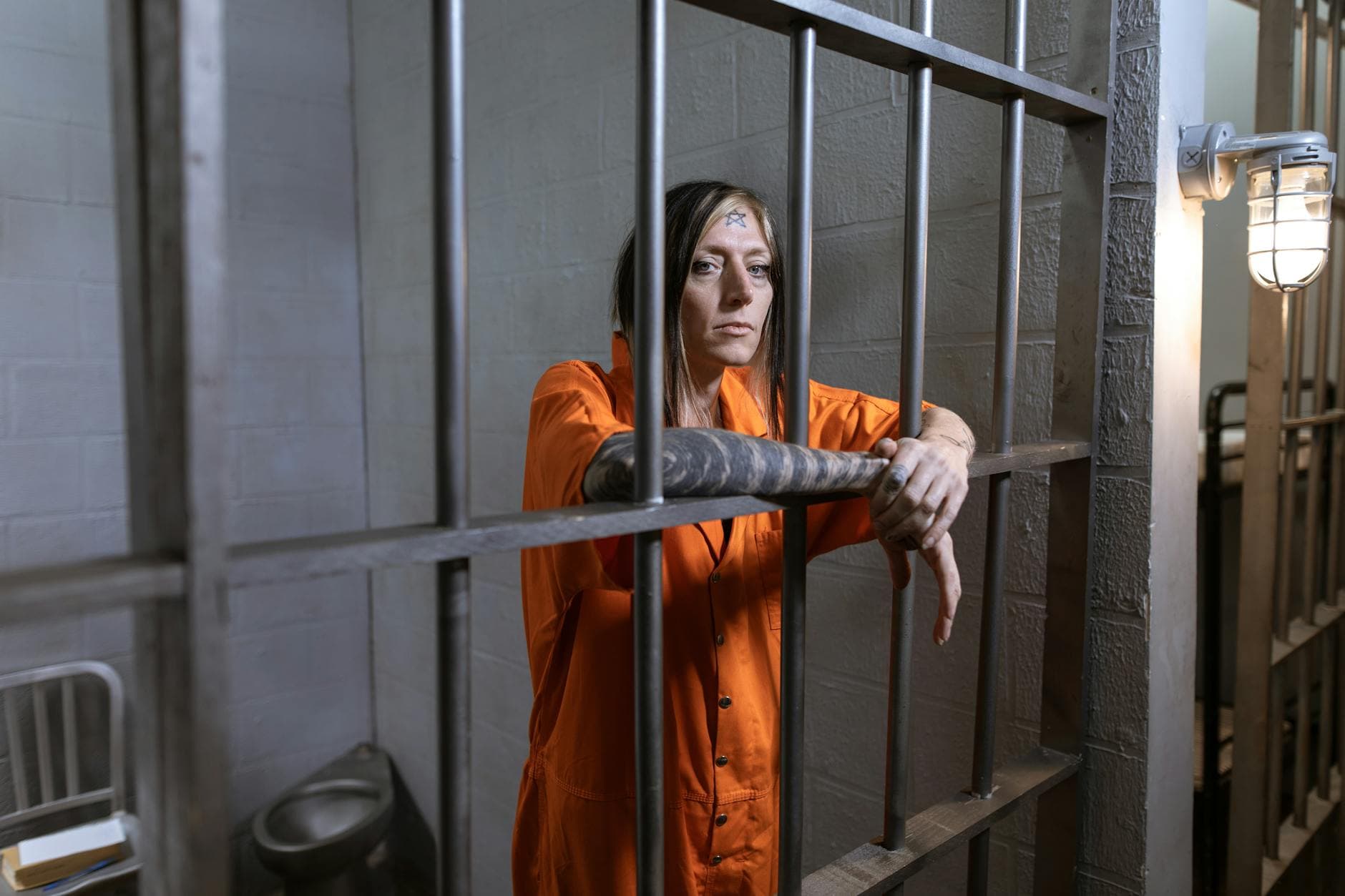
Arizona State Parks says new programs and events are added to the park calendar each month, and Speakeasy Night fit into a broader anniversary push that has already included Wild West Days on January 31, 2026, and the January exhibit “Killer Cuts: The Prison Barbershop.” The prison’s draw also rests on its history of famous names, including Pearl Hart, whom Arizona State Parks lists among its legendary inmates.
The event reflects a broader strategy for the Yuma Territorial Prison State Historic Park, which is operated through a partnership involving Arizona State Parks and the City of Yuma. For Yuma, that matters because the prison is not just a preserved site on the edge of downtown history. It is becoming a place where heritage is marketed, admission helps fund upkeep, and a landmark tied to the Colorado and Gila river region is being reintroduced to residents and visitors as a living economic asset. If Cruz’s hope holds, this may not be the last time the prison turns its cells and courtyards into a celebration of the past.
This article was produced by Prism’s automated news system from verified source data, official records, and press releases, then run through automated quality and moderation checks before publishing. The system is built and supervised by the people who set the standards it runs under. Read our full AI policy.
Did this article answer your question?