Yuma Territorial Prison Park invites history, health, and community access
The Yuma Territorial Prison State Historic Park remains one of Yuma County most visited landmarks, preserving territorial era cell blocks, exhibits on frontier justice, and artifacts that trace the citys role as a regional transportation and military hub. For local residents the park is both a concise history lesson and a public space that supports walking exercise, school programs, and ongoing conversations about access and how we remember the past.
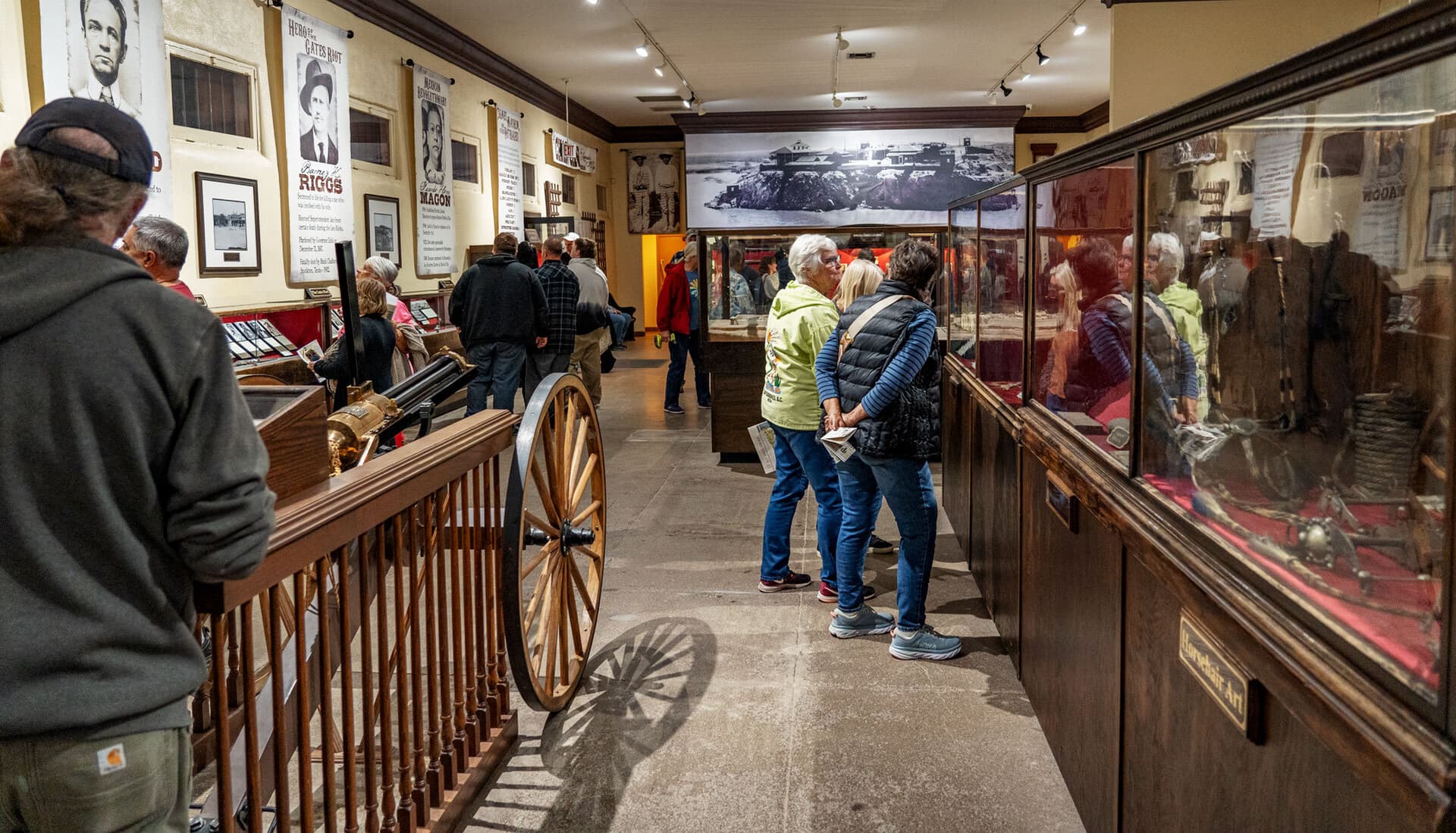
The Yuma Territorial Prison State Historic Park sits in downtown Yuma near 4th Avenue and the riverfront, offering visitors intact cell blocks, a guard tower, and a restored cell block museum that interprets inmate life and daily prison operations. Outdoor interpretive panels describe the Colorado River, regional transportation, and the local military presence, while rotating exhibits and artifact displays in the visitor center add fresh context for repeat visitors and school groups.
Typical daytime visiting hours run from mid morning to late afternoon, and admission fees and hours change seasonally. Visitors should check the Arizona State Parks website or call the park for current hours and admission before traveling. Many guests plan 60 to 90 minutes to see the main exhibits and combine the visit with a walk on the nearby riverfront historic loop.
The site is family friendly and often hosts school and community programs that bring local students and residents into direct contact with regional history. The park provides accessible paths for mobility devices in many public areas, and there is on site parking nearby, though downtown parking rules apply. Consider arriving earlier on busy holiday weekends to secure parking and avoid peak sun exposure.
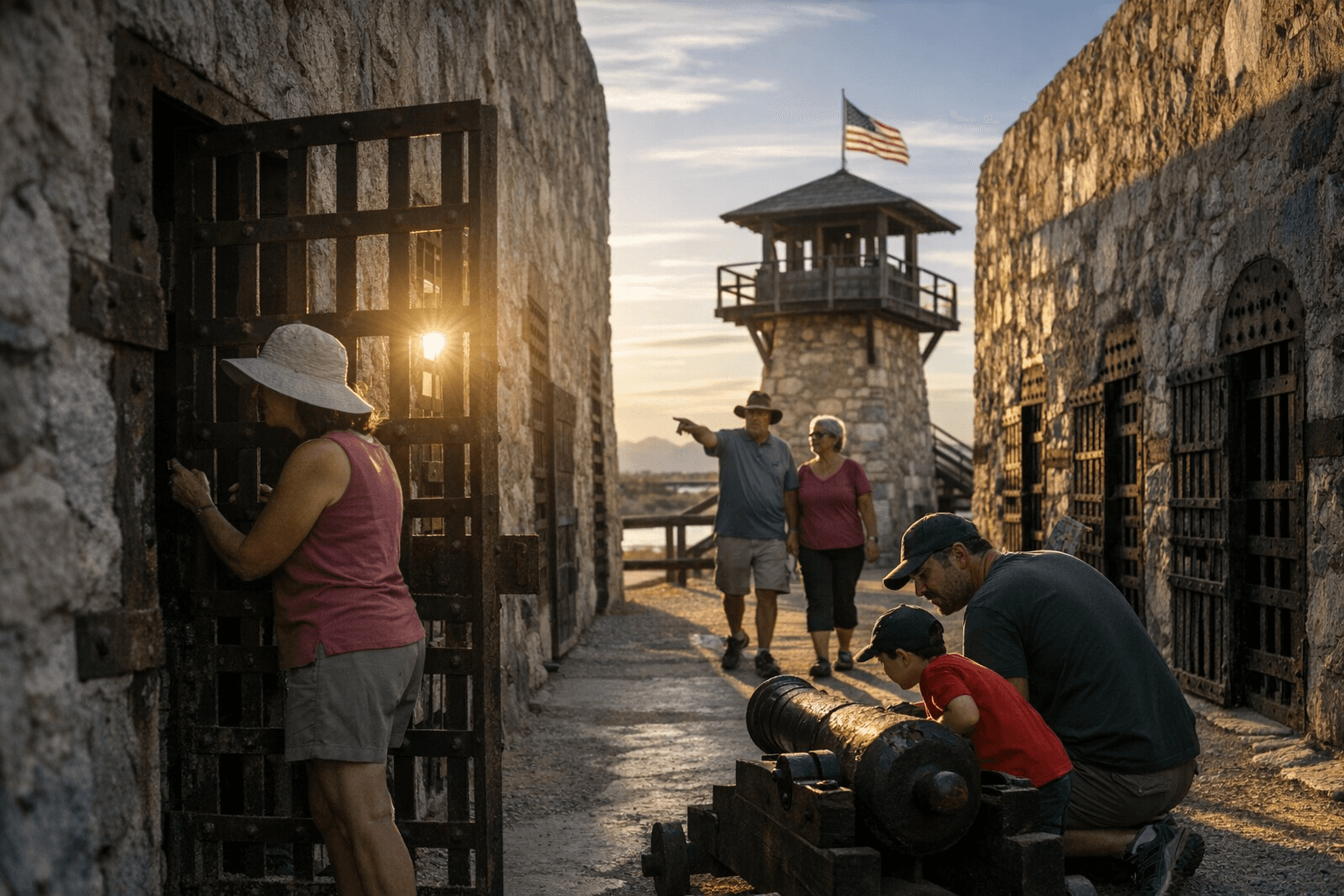
Beyond tourism the park plays a public health and equity role. As an accessible outdoor museum it promotes low cost physical activity for residents through walking tours and riverfront loops, and it provides educational programming that can reduce barriers to cultural participation. At the same time the site prompts conversations about how institutions remember the incarcerated and the broader social and economic forces that shaped frontier justice. Ensuring inclusive interpretation and continued physical access matters for residents who are older, have disabilities, or face transportation barriers.
Practical visitor advice includes wearing sun protection and comfortable walking shoes, checking the park calendar for special events, and allowing time to browse gift shop items that highlight local history. The park remains an approachable place for residents and visitors to connect with Yuma’s 19th and 20th century past while benefiting from open air exercise and community programming.
This article was produced by Prism’s automated news system from verified source data, official records, and press releases, then run through automated quality and moderation checks before publishing. The system is built and supervised by the people who set the standards it runs under. Read our full AI policy.
Did this article answer your question?