Yuma Veteran Questions Eligibility Under Arizona's New Disabled Vet Tax Relief Law
A 100% VA disability rating now means zero property taxes on a Yuma home, but the income test and a critical IU rating distinction are catching veterans off guard.
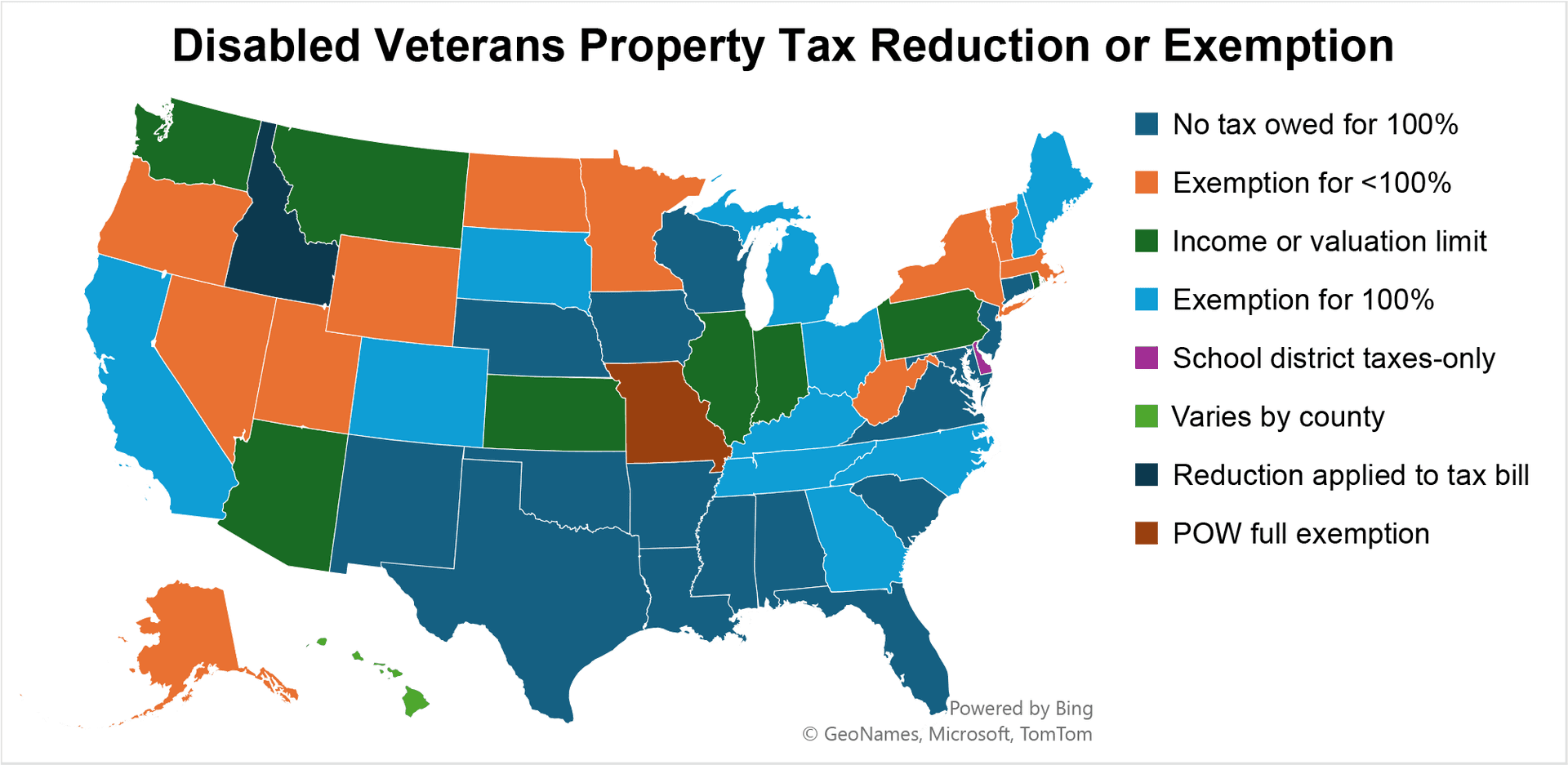
A full property tax elimination on a Yuma home is now legally available for veterans carrying a 100% service-connected disability rating from the U.S. Department of Veterans Affairs, but a local veteran's recent confusion over eligibility exposes a gap between what the new Arizona law promises and what it requires to deliver.
Arizona's updated exemption statute, which took effect January 1, 2026, goes well beyond the old partial relief program it replaced. Previously, disabled veterans faced strict caps on the assessed value of their homes; exceed the ceiling and the exemption disappeared entirely. That barrier has been eliminated for veterans. What remains is an income test: total household income from all sources in calendar year 2025 cannot exceed $39,865, or $47,826 for households with dependents under 18. Veterans who cleared those thresholds and hold a 100% service-connected disability rating owe nothing in property taxes on their primary residence for the 2026 tax year.
The dollars at stake are real. On a Yuma County home with a market value near $230,000, an assessed value of roughly $23,000 at Arizona's 10% residential ratio, a qualifying veteran could eliminate an annual tax bill in the range of $1,200 to $1,500. A veteran rated at 60% service-connected disability, rather than 100%, receives a partial benefit: the 2026 exemption amount of $4,873 multiplied by the disability percentage, which for a 60% rating equals $2,924 subtracted from the home's assessed limited property value, worth an estimated $300 to $350 in annual savings depending on the combined local levy.
One distinction is catching applicants off guard. Veterans who receive VA compensation at the 100% payment level through Individual Unemployability, known as IU or TDIU, do not automatically qualify for the full exemption. Eligibility depends on the combined service-connected disability rating shown on the VA Benefits Summary Letter, not the compensation payment tier. A veteran paid at 100% through IU whose underlying combined rating is, say, 70%, qualifies only for the partial exemption scaled to that 70%.

The 2026 application window, which ran from the first Monday of January through March 1, is now closed. Veterans already holding an approved exemption before January 1, 2026 do not need to reapply; the expanded benefits apply automatically. First-time applicants must prepare now for the January 2027 window. The required documents are: a VA Benefits Summary Letter confirming the combined service-connected disability rating, the prior-year Arizona income tax return (Form 140) or equivalent income documentation, a completed Affidavit of Individual Tax Exemption (ADOR Form 82514V), and a valid Arizona ID. Honorable discharge is a statutory prerequisite.
Applications go to the Yuma County Assessor's Office at 197 S. Main Street, Yuma, AZ 85364, reachable at (928) 373-6040 or assr-info@yumacountyaz.gov, weekdays from 8 a.m. to 5 p.m. Veterans who are denied can appeal to the same office in person, by mail, by fax, or by email. Surviving spouses of qualifying veterans may continue the full exemption as long as they remain in the home and do not remarry; that continuation benefit can be first claimed beginning January 2027.
As of early April, the Yuma County Assessor's Office had not published a dedicated FAQ covering the 2026 law changes. Veterans with eligibility questions should contact the office directly rather than assume the old income or assessed-value thresholds still apply.
This article was produced by Prism’s automated news system from verified source data, official records, and press releases, then run through automated quality and moderation checks before publishing. The system is built and supervised by the people who set the standards it runs under. Read our full AI policy.
Did this article answer your question?