Yuma Vigil Draws Attention to Missing and Murdered Indigenous Women, Calls for Better Investigations
Community members gathered in Yuma on the evening of December 1 for a vigil to highlight missing and murdered Indigenous women from the region, emphasize unresolved cases, and press for stronger investigatory responses. Organizers urged residents to share tips and support families, framing the event as a first step toward sustained advocacy and institutional change that affects public safety and trust in local government.
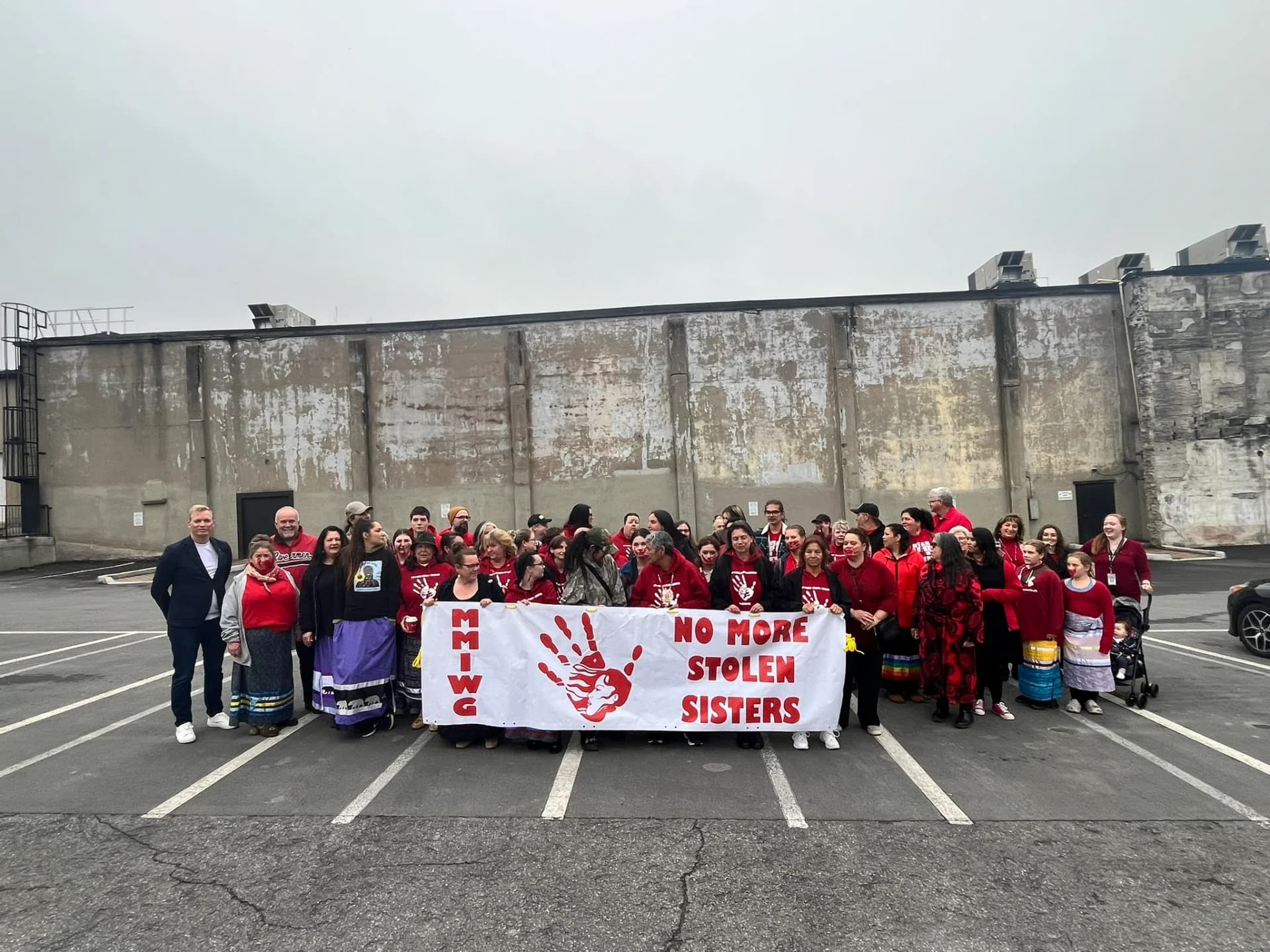
Dozens of residents, family members, and advocates assembled in Yuma on the evening of December 1 for a candlelight vigil focused on missing and murdered Indigenous women, known as MMIW. Organizers highlighted individual cases still unresolved in the region, and emphasized that public attention and tips can be critical for families seeking answers. The gathering sought to transform mourning into momentum for ongoing advocacy and more thorough investigations.
Participants outlined frustrations with what they described as inconsistent investigative follow up and limited resources for cases affecting Indigenous women. Organizers said the event aims to build sustained pressure on law enforcement and elected officials to improve communication with families, strengthen evidence gathering, and ensure cross jurisdiction coordination between county, state, and tribal agencies. For many attendees the vigil underscored a broader sense that institutional responses have not matched community need, contributing to eroded trust in public safety institutions.
The vigil also had a practical focus. Attendees were encouraged to report suspicious information to law enforcement and to support families directly through advocacy and presence. Organizers stressed that community reporting and attention can generate new leads and keep cold cases within public view. That civic engagement can influence how resources are allocated, including support for cold case units, victim services, and partnerships with tribal law enforcement.

The event carries implications for local governance and upcoming policy debates. County leaders face choices about budget priorities, interagency protocols, and data collection on missing persons by race and location. Voters who prioritize public safety and accountability may place these questions on the agenda for county and municipal elections. Civic participation, from attending county meetings to contacting elected officials, will shape whether the vigil's calls translate into concrete policy changes.
For families and neighbors in Yuma County the vigil served both as a moment of solidarity and as a public reminder that community vigilance and political engagement remain central to achieving better investigative outcomes and institutional accountability.
Know something we missed? Have a correction or additional information?
Submit a Tip