Yuma workers harvest fragile watermelons, fueling key farm economy
Yuma’s watermelon harvest is a hand-to-hand relay, and behind every fragile melon is a labor system that keeps one of Arizona’s biggest farm economies moving.
From vine to truck
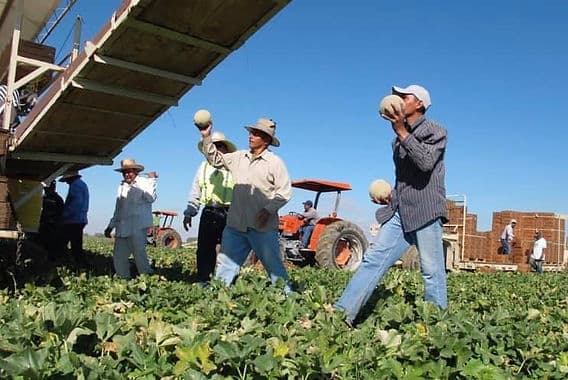
A Yuma watermelon does not simply get picked and tossed onto a trailer. Crews move it in a relay, hand to hand, because the fruit bruises easily and every step from the field to the truck has to protect quality. That same care shows how local agriculture works here: the harvest is physical, fast, and dependent on people who know how to move a crop before heat and time work against it.
In the Yuma area, many watermelon fields are built for efficiency long before harvest begins. Desert Ag Solutions says the crop is largely produced with buried drip irrigation and plastic mulch, a setup that conserves water and helps manage the intense desert growing environment. The system fits a region where agriculture is not just seasonal work, but a finely tuned production machine built around water, labor, and timing.
A spring crop in a winter-growing region
Watermelons are a minor crop in the lower Colorado River region near Yuma, but they are an important part of the area’s broader specialty-crop portfolio. University of Arizona Extension says they are usually produced in spring and early summer after the fall-winter leafy vegetable season, which helps explain why the harvest now matters even in a region best known for winter produce.
The calendar is tight. Arizona watermelon guides say planting often begins in January, fruit is typically ready by May, and the crop peaks in June and July. That means the harvest window that is opening now is not an isolated farm task; it is part of the handoff from one crop cycle to the next in a county that stays busy nearly year-round.
Western Arizona, including the Yuma area, plays a niche role in specialty vegetable and melon production, and watermelon is one of the top specialty crops there by weight. That niche matters because Yuma’s agricultural identity is not built on one crop alone. It is built on a rolling mix of vegetables and melons that moves from field to packing shed to truck with little margin for delay.
Small acreage, meaningful money
On paper, watermelon is not one of Arizona’s biggest crops. In 2023, Arizona watermelon production covered about 4,100 acres and had a value of roughly $1.7 million. Those numbers are modest compared with the larger vegetable economy in Yuma County, but they still tell an important story about diversification: even a smaller crop helps keep land, labor, equipment, and hauling networks active.
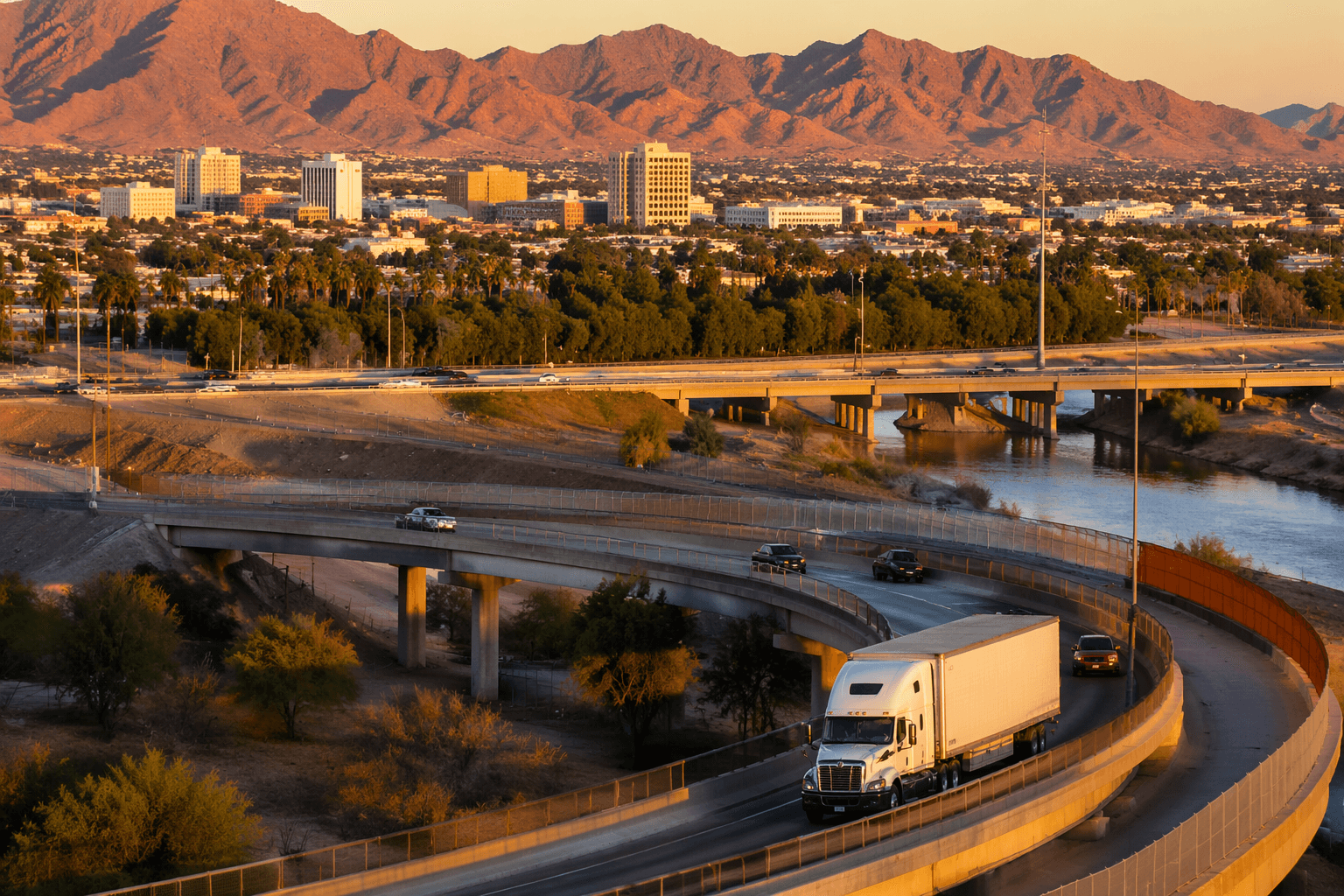
That network is part of a much larger farm economy. A University of Arizona Cooperative Extension study found that Yuma’s agriculture and agribusiness generated $4.4 billion in sales to the Arizona state economy in 2022, including $3.9 billion in Yuma County economic activity. Watermelon may be a smaller line item in that total, but it plugs into the same infrastructure that supports the county’s produce dominance, from irrigation systems to trucking routes to seasonal labor crews.
Yuma is also famous for scale beyond one crop. Local reporting describes it as the winter lettuce capital of the world, and more than 175 different crops are grown in the area. That breadth is what makes watermelon significant: even a relatively small specialty crop helps keep the county’s agricultural calendar full and its workforce moving.
The labor backbone behind every load
The harvest depends on labor as much as on land. Local reporting says Yuma growers rely heavily on H-2A guest workers to harvest crops, and a 2026 KYMA special report said there were about 8,000 certified H-2A visa holders in Yuma County. That scale shows how deeply the county’s produce economy depends on a seasonal workforce that can be placed quickly where the crop is ready.
The same report said H-2A agriculture workers were paid an hourly rate of $17.51 under Department of Labor rules. For growers, that labor is described as hard to replace and essential to getting produce out on time. For the local economy, it is the difference between a crop that reaches market in good condition and one that stays in the field too long.
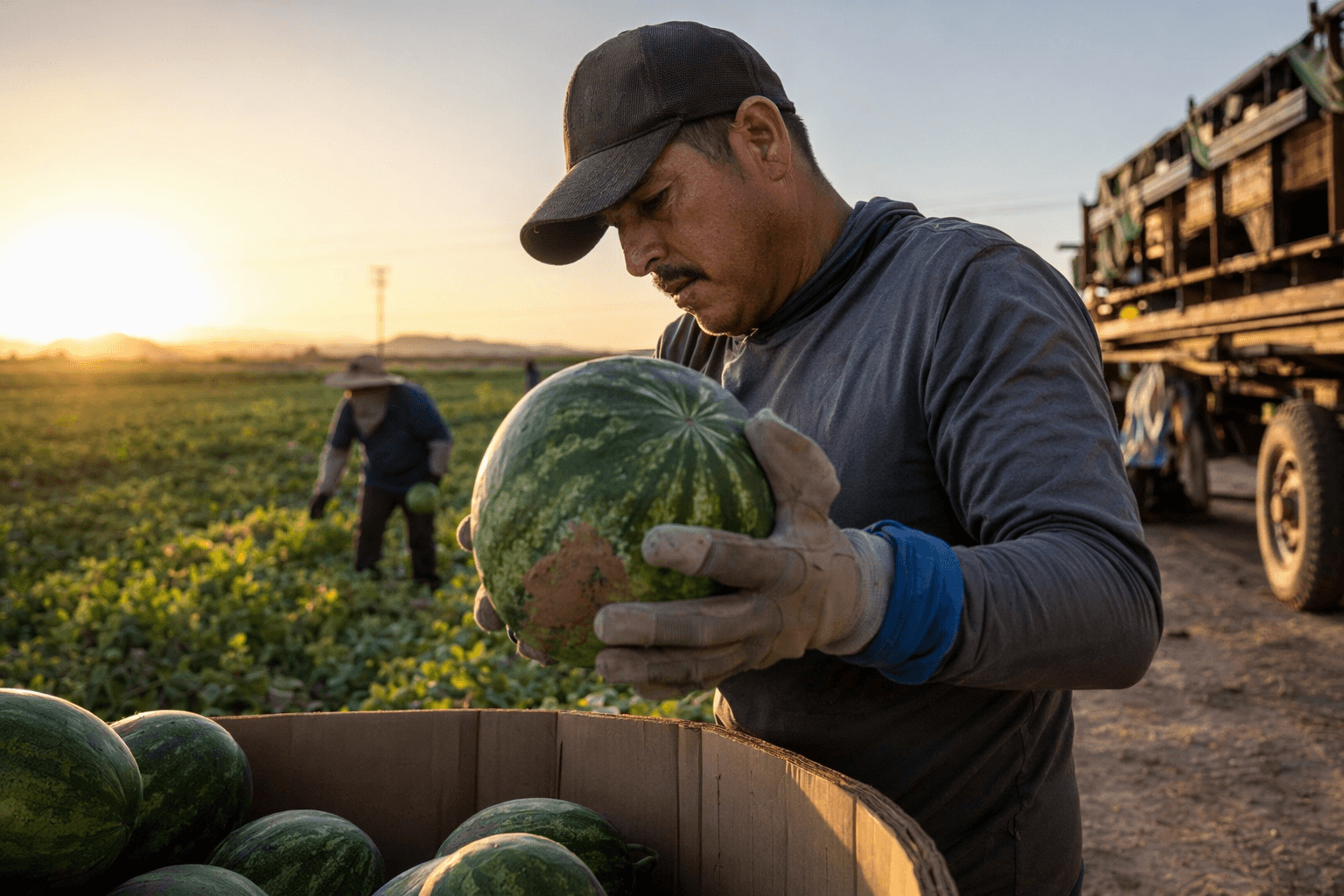
The work is not easy. Arizona reporting has highlighted that outdoor workers in Yuma County face serious heat risks during the hot season, and watermelon harvesting adds another layer of strain because the fruit is handled repeatedly and often in direct sun. The relay-style harvest is efficient, but it is also punishing, which is why labor availability is one of the region’s most important agricultural issues.
Why the current harvest window matters
The timing of this crop lines up with a federal job order in Yuma that listed field workers harvesting mini watermelon and regular watermelon from May 10, 2026, to June 30, 2026. That window shows the season is underway now, right as temperatures climb and the first fields are ready to move. It also underscores how watermelon is tied to the county’s broader seasonal labor calendar, not just its crop calendar.
That is why this harvest matters beyond the field. Every load of watermelons headed to a truck represents seasonal paychecks, packing activity, and freight volume in a county where agriculture still drives a huge share of economic life. The crop may be small in acreage compared with Yuma’s signature vegetables, but it sits inside an economic system worth billions.
For Yuma County, the relay from vine to truck is more than a farm scene. It is a snapshot of how fragile produce, skilled labor, and desert agriculture come together to keep one of Arizona’s most important farm economies moving.
This article was produced by Prism’s automated news system from verified source data, official records, and press releases, then run through automated quality and moderation checks before publishing. The system is built and supervised by the people who set the standards it runs under. Read our full AI policy.
Know something we missed? Have a correction or additional information?
Submit a Tip