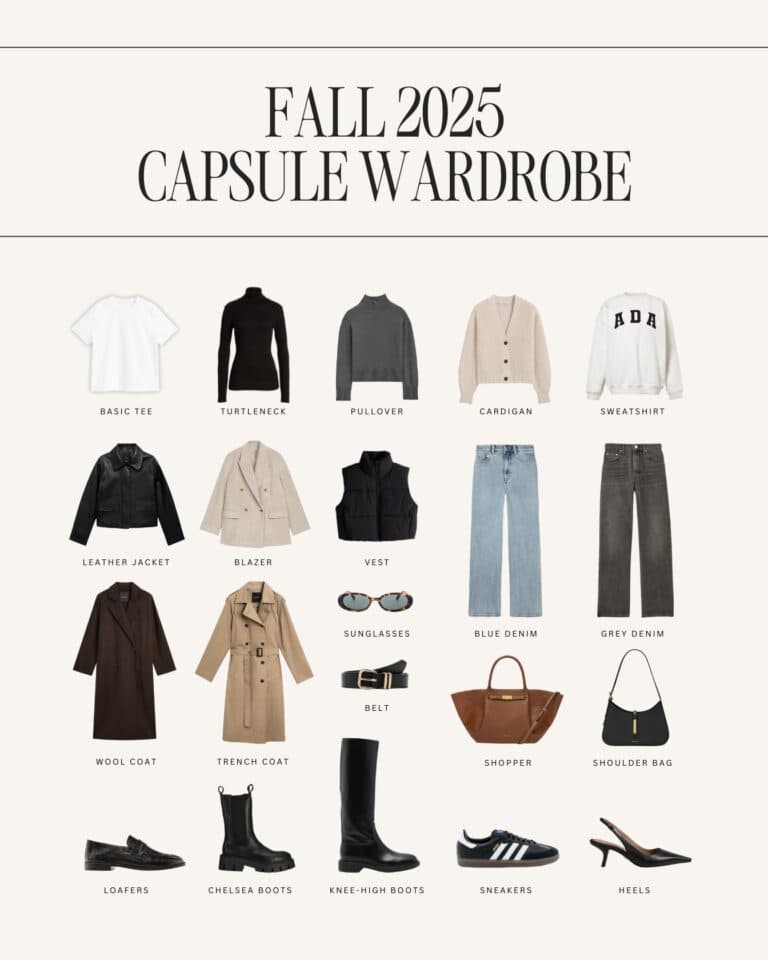
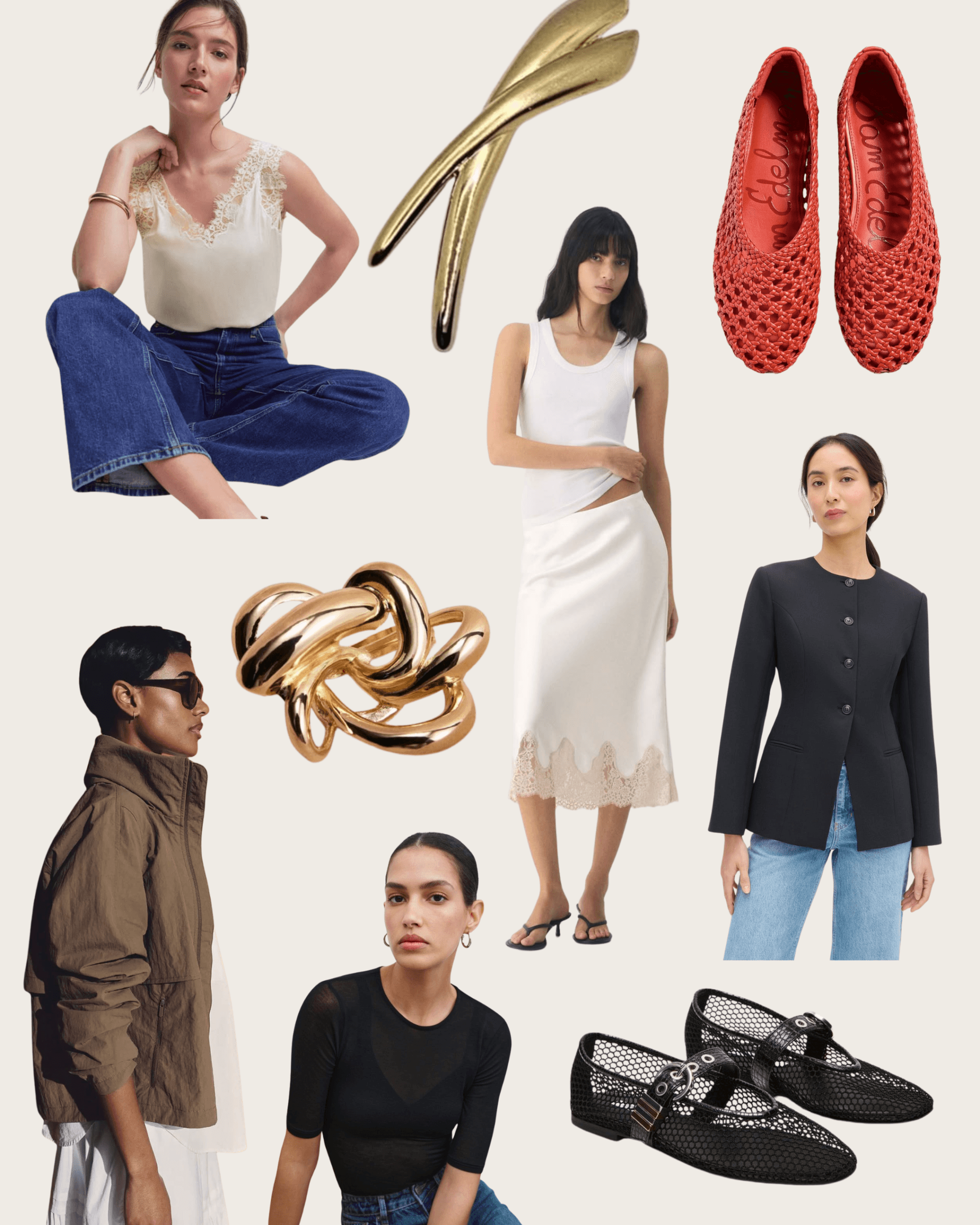
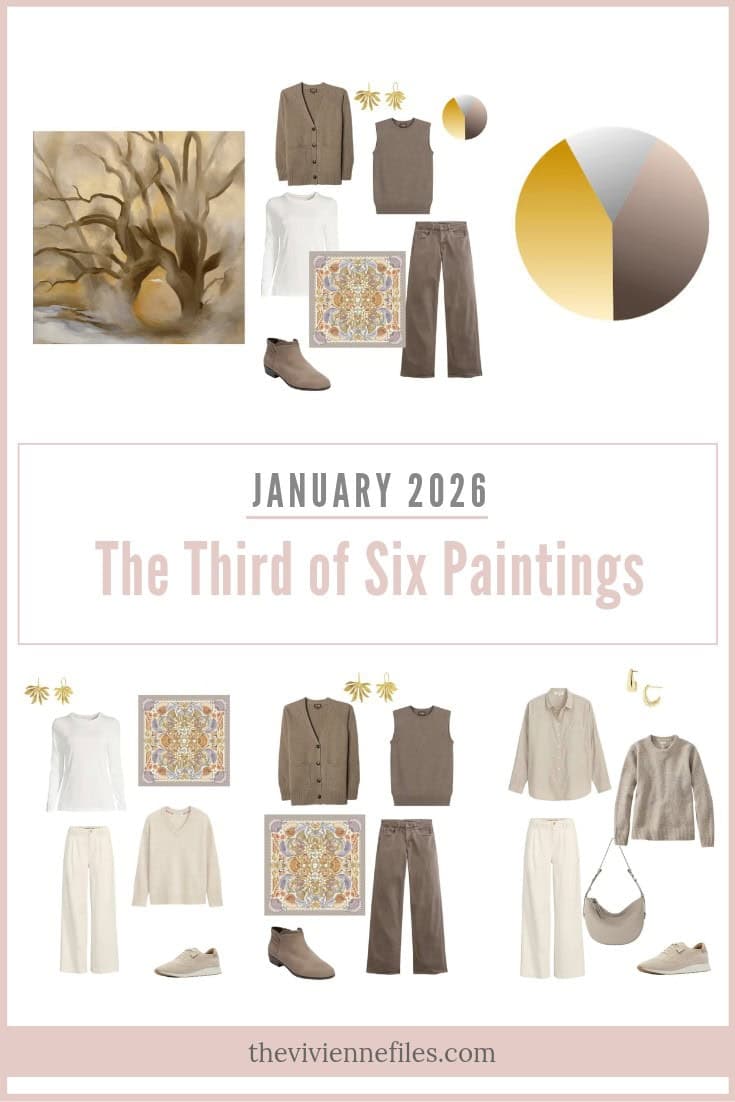
10-20-Piece Capsule Wardrobes Cut Packing Volume by 30% in 2026
Build a 10-20-piece capsule and cut travel packing by 30%. Pack only items that can be combined into at least three outfits.
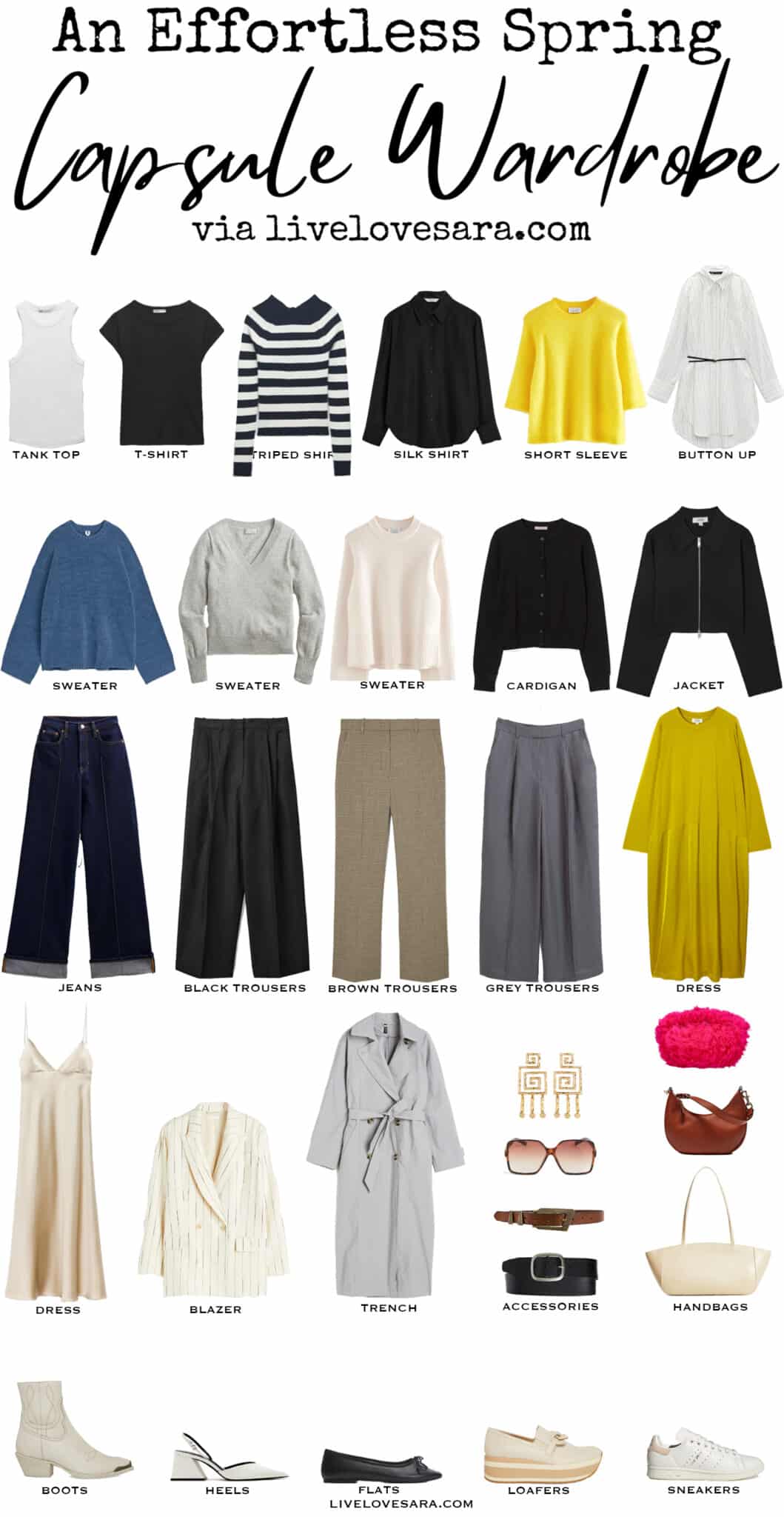
Travelers and style minimalists take note: Be Juliet’s March 01, 2026 guide argues that building a 10-20-piece capsule wardrobe streamlines daily dressing and cuts travel packing by 30%. The piece opens bluntly: “You’ve probably heard the phrase effortless dressing and thought it meant throwing on whatever is nearby. The truth? Effortless style is anything but effortless. It requires intentional choices, thoughtful curation, and a clear understanding of what makes you feel confident,” and positions the capsule as a deliberate practice to achieve “natural elegance.”
Be Juliet laid out five explicit takeaways in a table labeled Key Takeaways, each phrase a clear prescription: “Effortless dressing balances comfort, authenticity, and timeless style | It prioritizes personal confidence over fleeting trends and designer logos.” It continues, “Requires thoughtful wardrobe curation | Building a capsule wardrobe with 10-20 versatile pieces streamlines daily styling decisions.” The guide states that the approach “Reduces travel packing by 30%,” that it “Supports authentic self-expression | Clothing becomes a natural extension of your identity rather than a costume,” and that it “Focuses on quality and fit | Well-made pieces in natural fabrics outlast fast fashion and feel better all day.”
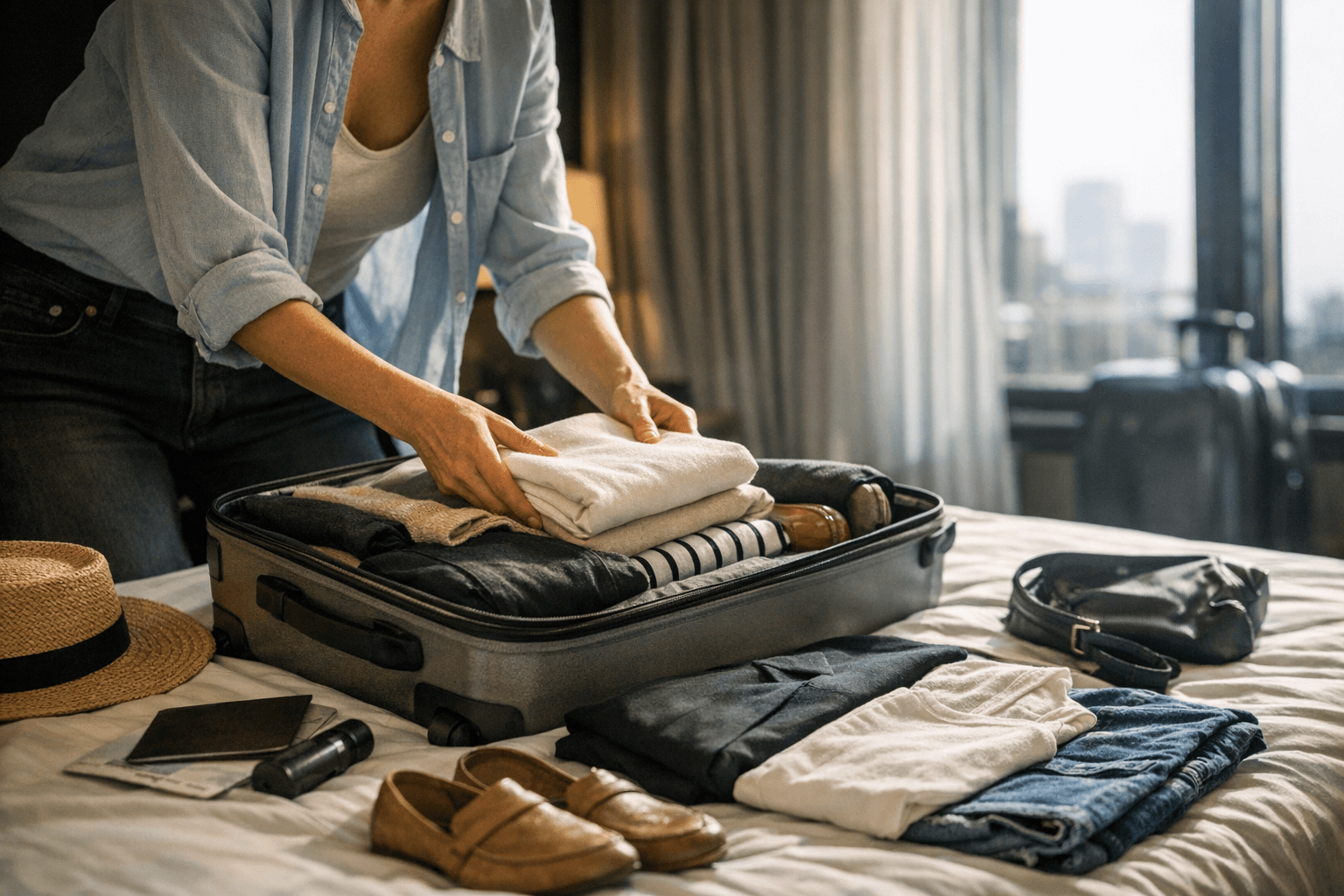
The Practical Applications in Travel and Daily Life section turns the thesis into rules you can use. Be Juliet writes, “Effortless dressing principles transform both daily routines and travel experiences. Incorporating effortless dressing principles into travel wardrobes improves comfort and reduces packing by 30%. This dramatic reduction happens because versatile pieces multiply outfit combinations exponentially.” Its packing rule is specific: “For travel, pack only items that work together across at least three different outfits.” The guide drops a concrete styling example: “A navy blazer pairs with jeans for sightseeing, trousers for dinner, and a dress for evening events. This multiplier effect means you need far fewer items while maintaining variety. You’re creating a micro capsule within your larger wardrobe.”
Two days later, on March 03, 2026, Prism framed the piece as “a March 3, 2026 summary and analysis of Be Juliet’s guide reframing ‘effortless dressing’ as an intentional capsule practice.” Prism’s metadata reproduces “What it is: a March 3, 2026 summary and analysis of Be Juliet’s guide reframing ‘effortless dressing’ as an intentional capsule practice.” The Prism capture also included an incomplete field: “Why it matters: t.” The Be Juliet article page itself displayed UI elements tied to commerce, including “Skip to content,” “Cart,” and a promotional banner reading “Save 15% on 2 Items or More | Free shipping over $60,” and the page title showed the site-formatted headline “# Effortless Dressing 2026: 30% Less Packing, More Style.”
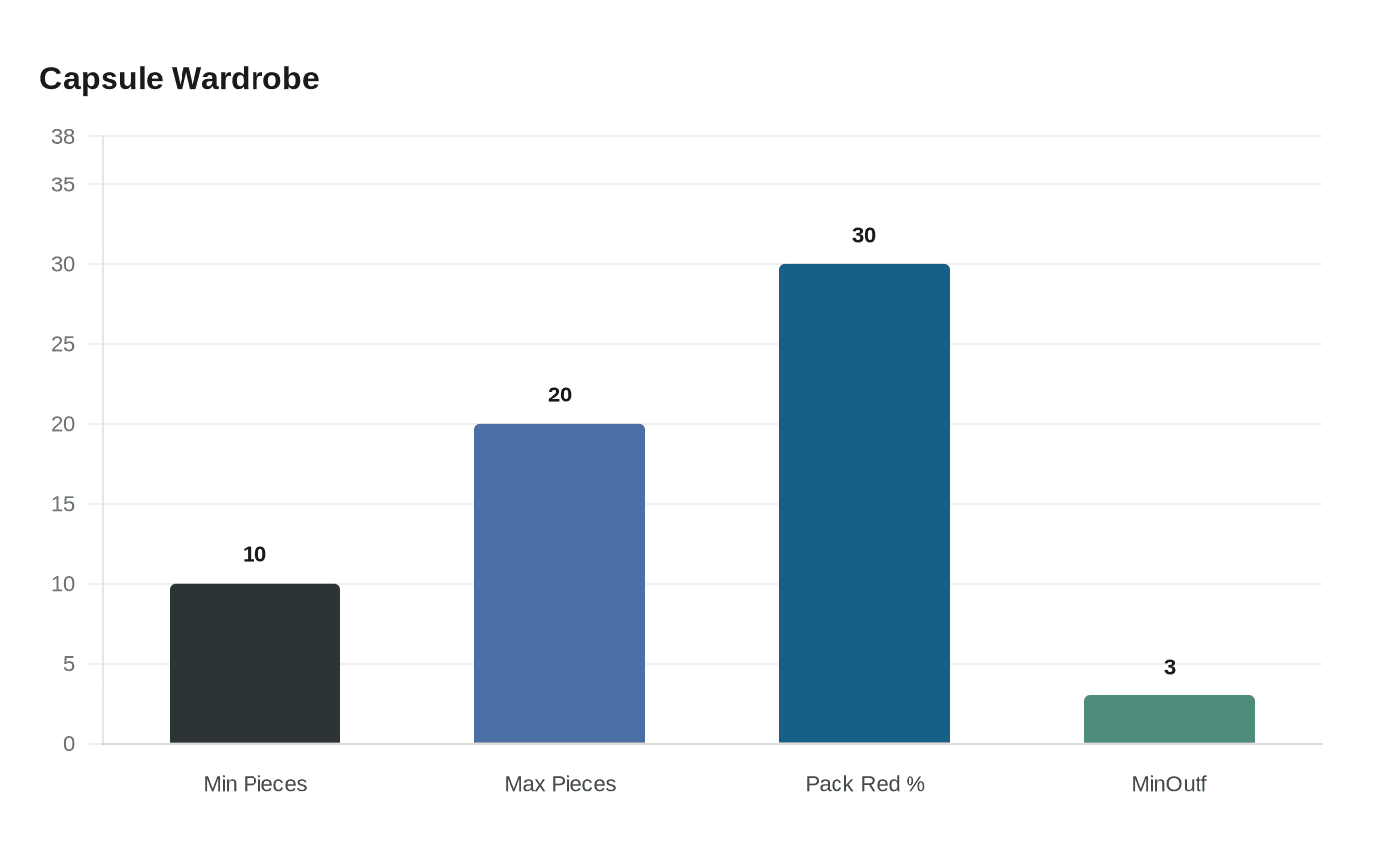
Be Juliet’s recommendations are clear and testable: build a 10-20-piece capsule, pick pieces that combine into at least three outfits, and prioritize quality, fit, and natural fabrics to achieve the claimed 30% packing reduction. The guide does not include an author byline in the supplied capture, nor does the excerpt provide an external study or methodology to validate the 30% figure; the number appears as the guide’s asserted outcome rather than an independently verified statistic. Still, the navy blazer example and the three-outfit rule give a practical framework that readers can apply immediately to both travel packing and daily dressing.
Know something we missed? Have a correction or additional information?
Submit a Tip