10 Essential Checks for Catamaran Owners Before Offshore or Coastal Passages
Catamaran owners should run ten essential checks before offshore or coastal passages to safeguard systems, gear, and crew safety.
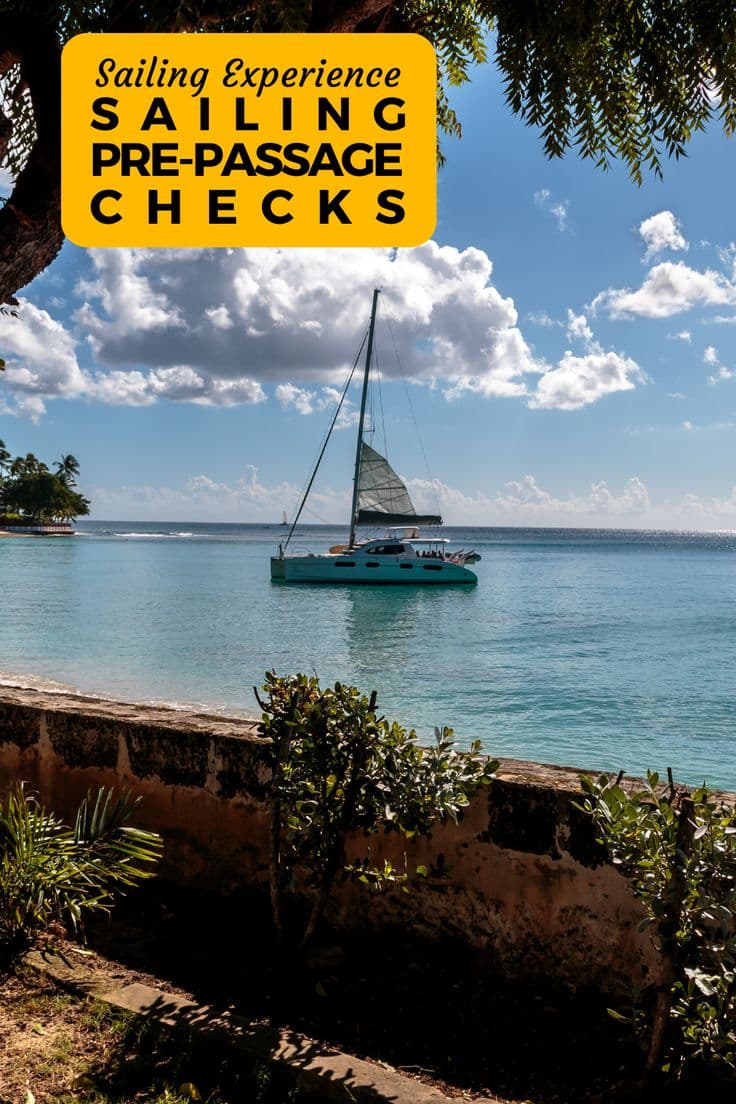
Preparing a catamaran for an offshore or extended coastal passage demands disciplined checks that reduce risk and keep a cruising schedule on track. Liveaboard and cruising owners face different pressures than day sailors; systems that sit idle become single points of failure once miles from harbor. Start with the items that will save lives and boats first.
Verify EPIRB function and battery expiry, and confirm hydrostatic release status. Inspect life rafts for current service dates and repacking, check lifejackets for buoyancy and crotch straps, and ensure distress flares and a registered MMSI on the VHF and AIS are up to date. Test VHF radio on channel 16 and confirm AIS transponder operation so traffic and rescue coordination remain reliable. Replace any expired signaling kit before departure.
Engines and fuel systems require next-level attention on a catamaran. Change engine oil and filters if not current, inspect coolant levels and belts, and bleed and swap primary and secondary fuel filters as needed. Carry spare fuel filters and common engine parts for your specific make and model. Run each engine to cruising RPM and confirm transmission and shaft or saildrive responses under load.
Electrical systems are mission critical for navigation, communications, and pumps. Load-test house and start batteries, inspect battery bank connections and chargers, and confirm alternator output when underway. Verify shore-power wiring and breakers, and ensure solar and wind charging inputs are secure. Test bilge pumps and high-water alarms on each hull and confirm manual pump access.
Standing and running rigging deserve careful inspection before leaving sheltered waters. Check shrouds and stays for corrosion, chafe and proper swage or pin security. Inspect halyards and sheets for wear at chafe points, and confirm winch operation with service or lubrication where needed. Test the autopilot under power and in steering-assist conditions so you have reliable coursekeeping.

Hull, through-hulls and ground tackle complete the operational picture. Open and operate seacocks to verify movement and leak-free seals, inspect hull skin fittings, and check for delamination or blisters around fittings. Verify anchor, chain and snubber condition, and practice a re-anchor routine - a good snubber and a spare shackles kit can turn a long night into a solved problem.
Navigation and human factors tie the technical checks to safe passage. Update paper charts and electronic chartplotter cartography, download weather files or GRIBs before leaving, and brief crew on watch rotations, man overboard procedures and first-aid locations. Confirm provisioning of freshwater and fuel for planned legs plus reserves, and document a communications plan with shore contacts.
These checks will not stop every problem, but they change the odds. Schedule a thorough pre-departure walk-through, log service dates, and fix deficiencies ashore rather than improvising at sea. For the cruising community, disciplined preparation means more confident passages, fewer emergency tows, and more nights at anchor instead of at a dock under repair.
Know something we missed? Have a correction or additional information?
Submit a Tip