1,800 firms seek $130 billion in refunds after SCOTUS voids tariffs
Dozens of major companies including FedEx, Costco and Goodyear are suing to recover about $130 billion in tariffs; the move risks market upheaval and policy fights over billions in federal revenue.
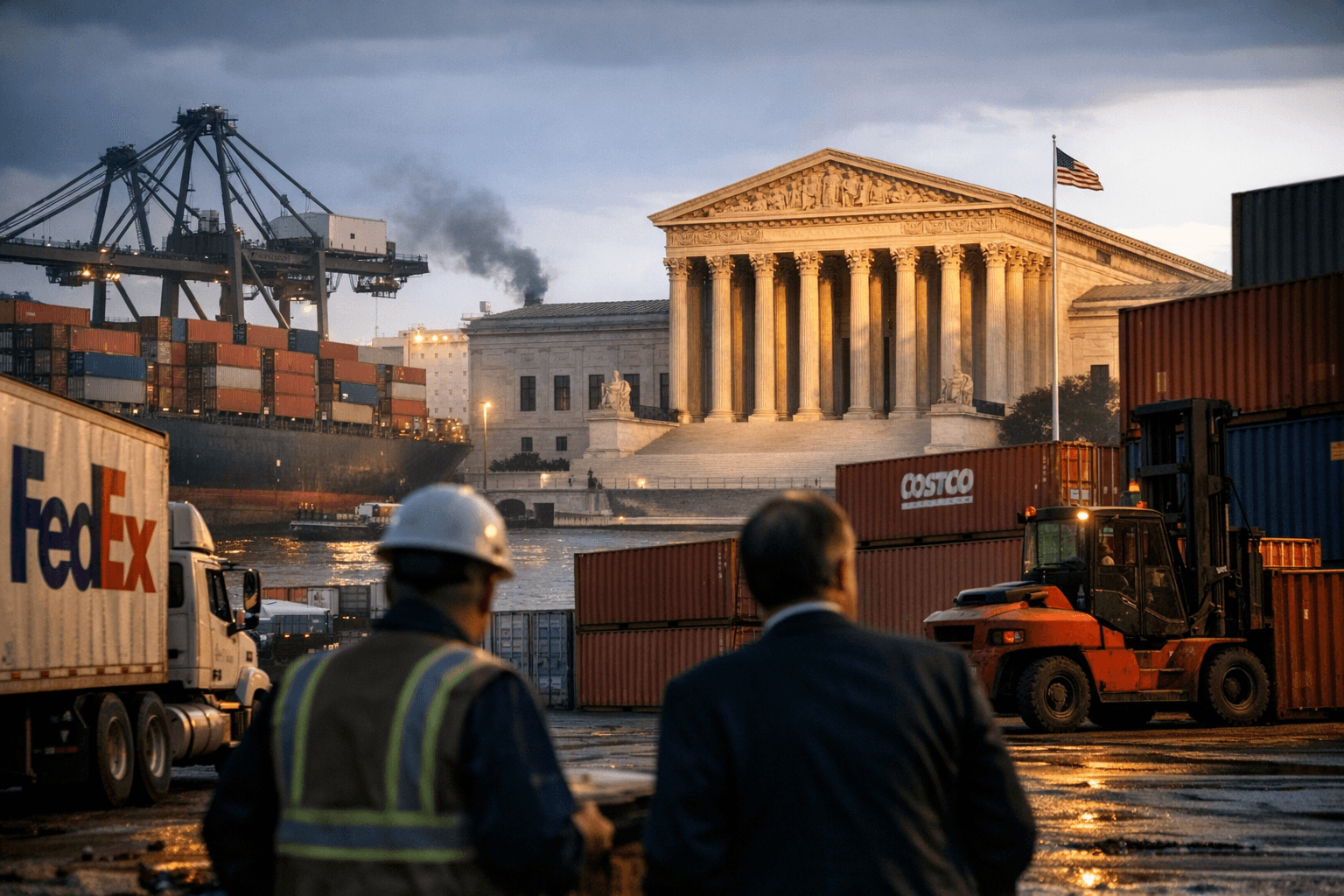
Dozens of major U.S. companies including FedEx, Costco and Goodyear are among at least 1,800 firms filing lawsuits to recover roughly $130 billion in tariffs that the Supreme Court ruled illegal last week, setting up a sprawling legal fight and immediate pressure on federal finances.
The filings, completed in the days after the court decision, ask customs authorities to repay duties collected on imports over several years. For import-dependent companies and the retailers and manufacturers that supply them, the suits offer a chance to recoup costs that were passed along to businesses and consumers. For the Treasury, the claims represent a sudden potential outflow that officials say could complicate budgeting and deficit planning.
The scale of the demand is unprecedented in recent history. If courts order refunds on the full amount sought, the federal government would face returning sums that rival major annual program budgets. The administration is weighing options to retain some portion of the funds as appeals and administrative steps proceed, creating an uncertain window for businesses, investors and state and local governments that have adjusted pricing and procurement around the tariff regime.
Beyond headline dollar figures, the effects rippled through supply chains and communities across the country. Small retailers that could not absorb higher import costs struggled to remain competitive and some trimmed staffing or delayed investments. Manufacturers that relied on imported components saw margins squeezed, in some cases shifting production decisions or delaying rehiring. Low-income households bore a disproportionate share of the price increases on everyday goods, worsening affordability at a moment when many families were already stretching tight budgets.
The legal filings also carry implications for public health and essential services. Hospitals and clinics that rely on imported medical devices and supplies may see cost uncertainty as refund timelines and future tariff policy are contested. Local governments that purchased materials for infrastructure projects could face retroactive accounting questions. Public health leaders caution that sudden changes in costs and reimbursement arrangements can disrupt procurement cycles for critical supplies, with downstream effects on access to care.
The litigation will be channeled through the courts that oversee customs disputes and through administrative claims at U.S. Customs and Border Protection. Given the number of claimants, judges could face a complex docket involving common legal questions about the scope of the tariffs and statutory remedies. Even if the government ultimately prevails on some legal points, the immediate filing surge will impose compliance and legal costs on businesses and government agencies alike.
Economic analysts warn of market volatility as investors price in both potential refunds and the political fight over whether those funds should be returned. Lawmakers from both parties are expected to press for clarity, with some members likely to propose legislative fixes that could limit refunds or reshape tariff authority. The outcome will matter not only to multinational corporations but to workers, small businesses and consumers who absorbed higher prices under the tariff regime.
As the litigation unfolds, communities that experienced the brunt of higher import costs will be watching whether relief arrives in the form of cash refunds, price reductions, or policy changes that prevent a repeat. The disputes ahead will test the balance between enforcing trade policy and protecting households and public services from sudden fiscal whiplash.
This article was produced by Prism’s automated news system from verified source data, official records, and press releases, then run through automated quality and moderation checks before publishing. The system is built and supervised by the people who set the standards it runs under. Read our full AI policy.
Did this article answer your question?

