19-Year-Old Former Keshena Resident Sentenced After Attempted Murder Plea
A 19-year-old former Keshena resident was sentenced Feb. 12 after pleading guilty to assault-related charges in an attempted murder case, raising local public safety and jurisdictional concerns.

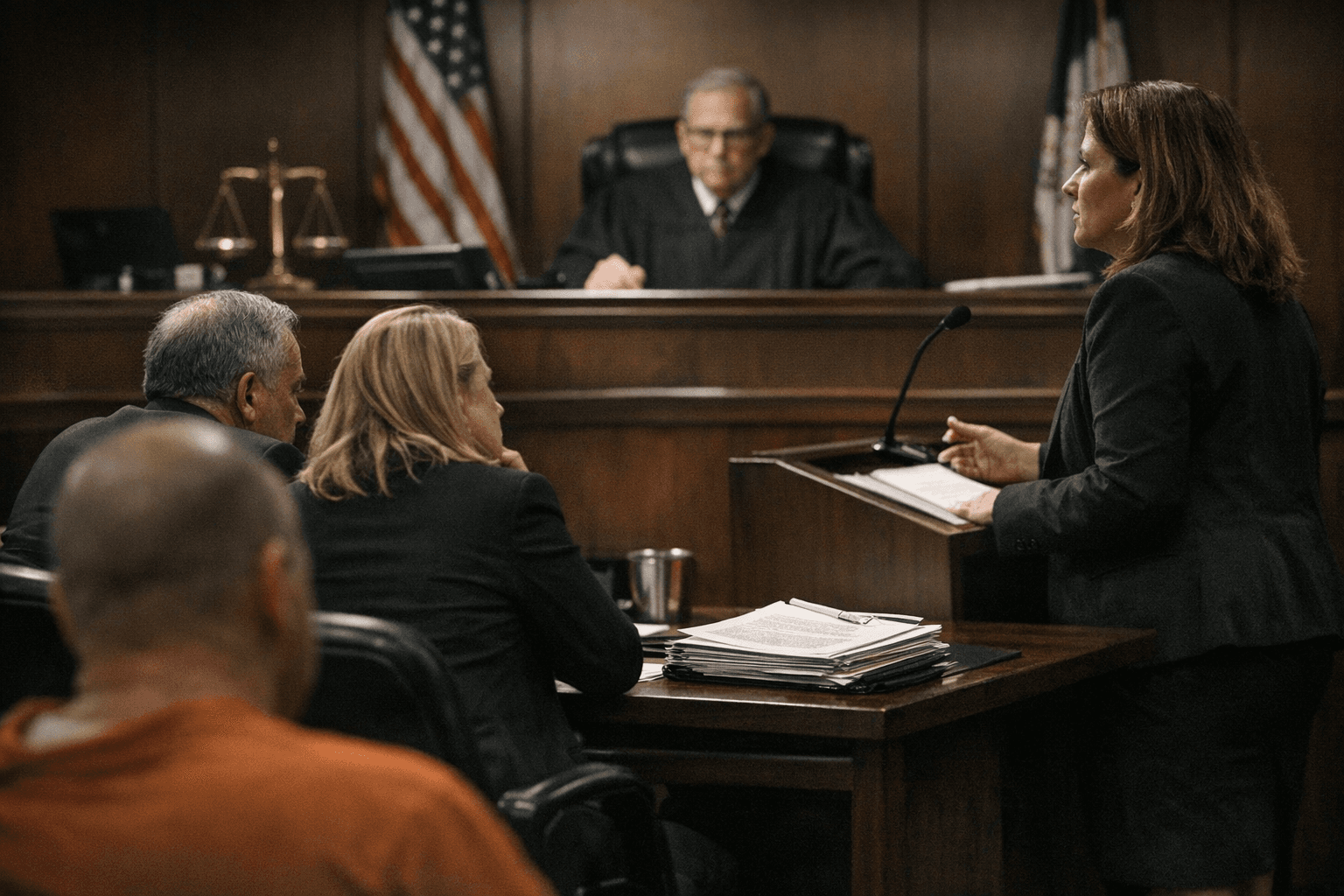
Menom L. Powless-Brown, 19, formerly of Keshena on the Menominee Indian Reservation, was sentenced Feb. 12 after pleading guilty to assault-related charges stemming from an attempted murder case. The resolution of the federal prosecution closes a major chapter in a case that drew attention across Menominee County and on the reservation.
Powless-Brown entered a guilty plea to assault-related counts in the case and received a sentence from the federal court on Feb. 12, 2026. The proceedings were handled by federal authorities, reflecting the role of federal jurisdiction in serious violent crimes that occur on or involve Native American reservations. The conviction removes one immediate threat from the community while also prompting questions about prevention, victim support, and coordination between tribal and federal law enforcement.
Keshena residents and Menominee County officials are likely to view the sentencing through twin lenses of accountability and community safety. At 19 years old, Menom L. Powless-Brown represents the involvement of young adults in violent incidents that can ripple through small, interconnected communities. The case underscores the need for sustained local services for victims, robust youth intervention programs, and clear communication among county, tribal, and federal agencies when serious crimes arise.
The federal handling of the case has institutional implications for Menominee County government and tribal leadership. Federal prosecutions can affect how evidence is gathered, how witnesses are supported, and how sentencing outcomes are communicated to residents. For community members seeking reassurance, the sentencing shows that serious offenses are subject to substantial legal scrutiny beyond local courts. For tribal authorities, the matter highlights ongoing challenges in balancing sovereignty, public safety, and cooperative law enforcement arrangements.

Local public safety officials and tribal leaders will face pressure to translate the legal outcome into practical steps: support for the victim or victims, outreach to families, and investment in prevention programs that address underlying issues contributing to violence among youth. Community organizations, schools, and faith groups also play roles in responding to trauma and rebuilding trust after high-profile violent incidents.
The sentencing of Menom L. Powless-Brown closes one phase of a case that touched Keshena and Menominee County. Moving forward, residents and local leaders will be watching how agencies coordinate follow-up services, how prevention efforts are funded and prioritized, and whether the conviction leads to longer-term changes in public safety and youth support across the reservation.
Know something we missed? Have a correction or additional information?
Submit a Tip