2026 Foil Surfing Price Guide: Costs, Drivers, and Smart Buying Tips
Foil gear prices in 2026 range widely - e-foils sit at the high end, while surf-foil and wingfoil setups commonly begin in the low thousands, so budget accordingly.
Electric hydrofoils dominate the top end of the market in 2026, routinely starting around $8,000 and climbing past $15,000 once upgraded batteries and accessories are included. That price gap matters because most riders can assemble a reliable surf-foil or wingfoil rig for a fraction of that cost, but ownership expenses diverge once motor, battery, and ongoing replacement costs enter the picture.
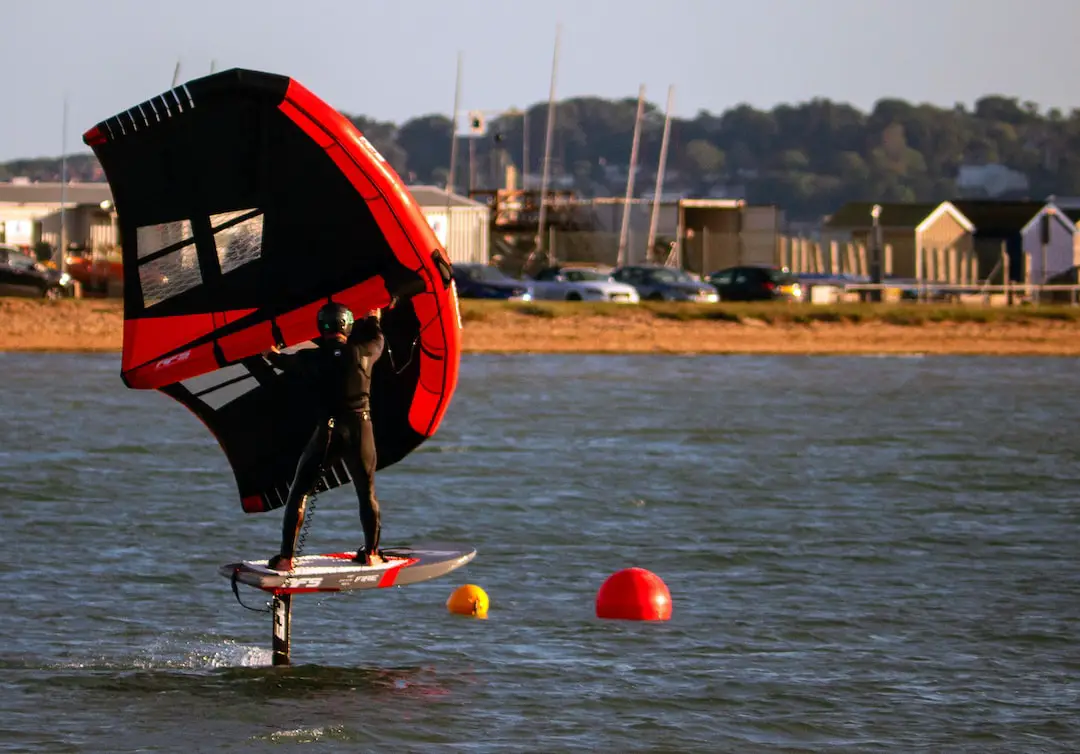
Entry-level surf-foil setups - mast plus front and rear wings plus a compatible board - commonly fall in the $1,200 to $2,500 band when you choose aluminum components or entry-level carbon packages. Wingfoil rigs, which bundle board, foil, and an inflatable wing, typically range from $1,800 to $3,500 depending on materials and brand. Wake-foil and SUP-foil packages sit in a similar mid-range. These figures reflect the main drivers of price differences: material choice, manufacturing method, electronics for e-foils, and brand premiums.
Carbon versus aluminum is the clearest cost divider. Full carbon wings and masts yield lighter weight and better foil feel but add cost. Manufacturing methods matter; hand-layup carbon and boutique shaping push prices higher, while molded carbon scales cost down for mainstream models. For e-foils, motor design, battery capacity, and battery management systems largely explain why prices jump into five figures. R&D and brand positioning also create premiums that persist even when parts lists look similar across models.
Practical buying choices cut total cost of ownership. Prioritize quality in load-bearing components - masts, fuselages, and foil wings - where failures create the biggest safety and replacement costs. Consider modular systems that let you swap wings or upgrade a mast over time rather than replacing a whole setup. If you buy used, inspect for damage to mast interfaces, fuselage fittings, and trailing edges; corrosion, delamination, and hairline cracks are deal-breakers even if a board looks fine.

Budget for extras. Chargers, spare wings, travel bags, and checked-bag fees add up and often push a low-end purchase into the mid-range. For e-foil owners, plan for battery replacement or capacity fade over several years; battery health drives long-term cost more than a single purchase price. Aftermarket parts and service can be a steady expense, so verify availability for your chosen brand.
Bottom line: match your gear to the way you ride and how long you expect to keep it. For first purchases, prioritize a reliable mast and fuselage, buy wings that suit your local conditions, and treat e-foils as a multi-year investment that requires budgeting for battery and accessory costs. The market in 2026 gives riders clear pathways to optimize performance without getting foiled by hidden costs.
Sources:
Know something we missed? Have a correction or additional information?
Submit a Tip