2026 Gift Spending Rises as Personalization Booms and Channels Shift
Holiday spending is climbing and personalization is booming; plan budgets with new per-person norms—$276 in North America, €306 in Europe—and tilt more spend toward experiences and tailored keepsakes.
Spending anchors: holiday totals and per-person budgets
Holiday season budgets are edging higher and deserve to be your planning anchor. Winter shoppers are expected to lift November–December spending 3.7%–4.2% versus 2024, taking festive-season outlays to roughly $1.01–$1.02 trillion, after holiday sales already rose to $976.1 billion the prior year. At a micro level, program and per-instance norms give you actionable numbers: Theirf reports North American per-instance merchandise spend at $276 (nearly $100 higher than in previous years) and European per-instance merchandise spending at €306 (up €74). On-site gifting is rising too—per-instance on-site spend in North America climbed from $170 to $243, and in Europe from €233 to €295—so a realistic gift budget for events should reflect those jumps rather than last year’s assumptions.
If you’re buying for a team, a channel partner, or a single household, translate these figures directly into line-item budgets: Theirf finds North American channel programs average nearly $500 per participant, while in Europe channel and employee programs commonly spend just over €450 per event gift. Prism News framed this plainly: average consumer gift spending is an essential anchor for setting realistic budgets across occasions. Use these benchmarks to decide whether you’ll invest in fewer, higher-impact items or scale with gift cards and curated experiences.
Personalization accelerates: a market built on craft, tech, and meaning
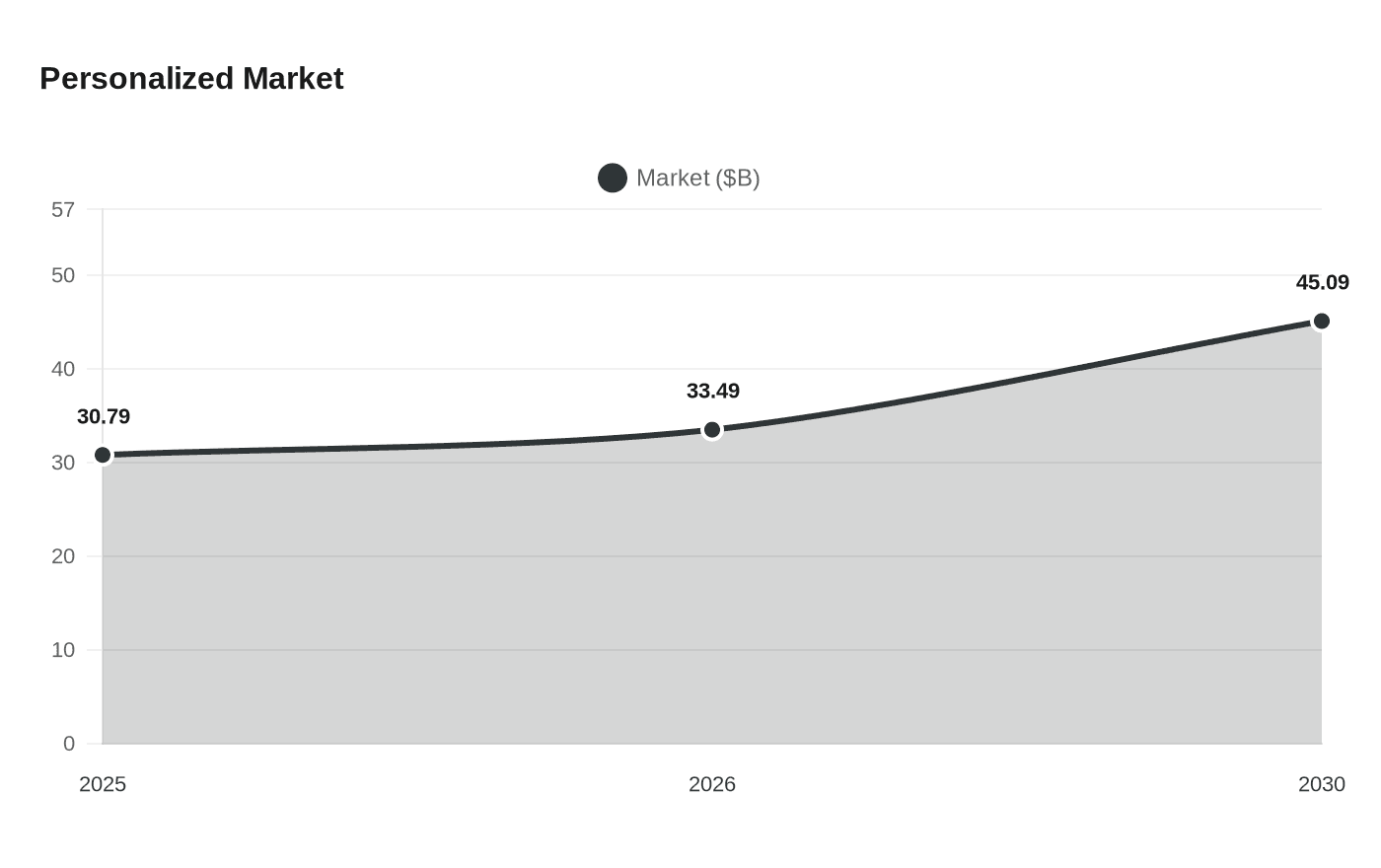
Personalization has graduated from initials on a tote to a global market expansion that is both sizeable and fast-growing. The personalized gifts market is estimated at $30.79 billion in 2025 and jumps to $33.49 billion in 2026—an 8.7% year-over-year rise—with a forecast to reach $45.09 billion by 2030 at a projected 7.7% CAGR. That growth is driven by rising disposable incomes, broader e-commerce adoption, advances in printing and engraving, and the uptake of AI-powered personalization tools and AR/VR preview tech—concrete enablers that let a consumer preview a photo-based keepsake or engrave a message with precision.
“The landscape of personalised gifting has undergone a remarkable metamorphosis, transforming from simple monogramming services to sophisticated bespoke experiences that resonate deeply with recipients,” MyFamilyPuzzle writes, and that evolution is visible in seasonal behavior: personalized ornaments and holiday decorations are now treated as heirlooms that return value year after year, while Mother’s Day gifts commonly incorporate children’s names, birth dates, or family milestones to create tangible representations of emotional ties. Geographically, Cognitivemarketresearch identifies APAC as the growth epicenter of gifting—APAC’s regional CAGR is reported at 2.391%, with India at 3.153% and China at 2.587%—so if your gift program has international reach, prioritize scalable personalization platforms and regionally relevant keepsakes to capture rapid demand.
Channels and corporate gifting: from clutter to memorable experiences
Channel dynamics are shifting as quickly as consumer tastes. Theirf notes that gift cards have overtaken merchandise as the most-used event reward—now included in over 80% of North American programs (a 35% increase year-over-year) and more than 75% of European on-site gifting programs (up over 40%). Theirf’s framing is instructive: “Gift cards continue to provide flexibility and broad appeal. Merchandise rewards strengthen program differentiation and personalization. Event gifting is evolving toward experiential integration and meaningful delivery,” a three-way playbook buyers should follow when deciding mix and placement.
Corporate gifting faces its own crisis of diminishing returns—and a clear remedy. Ddbricks documents market saturation: professionals receive 12–15 corporate gifts annually, common items become forgettable, and “Forgettability: Six months post-receipt, 70% of recipients can’t recall the sender, eroding relationship-building value.” That metric explains why companies are reallocating budgets from generic swag to sustainable, personalized, and experiential options without cutting spend. As Ddbricks puts it, “Passive objects can’t deliver the memory, conversations, or ROI that experiences provide at similar price points.” Practical, measurable examples are already in the market: custom LEGO® builds, priced at roughly $40–$80 per unit, are cited as time-efficient (10–20 minutes of interaction), customizable to brand or achievement, and show high workplace visibility—70%+ display rates, 75% display at trade shows and 65% display in client campaigns—demonstrating how tactile, branded experiences can outperform an anonymous box of earbuds.
Combine the channel and corporate signals and you get a clear prescription for 2026 gifting programs: lean into flexibility where scale matters (gift cards for broad inclusion), but allocate a growing share of spend to personalized keepsakes and micro-experiences that get displayed, talked about, or shared. Theirf’s assessment is crisp: “organizations are not simply spending more but spending smarter, aligning rewards with both organizational objectives and participant preferences.” Add sustainability and digital previewing—AR/VR previews, AI personalization—and you reduce clutter, improve recall, and make each dollar stretch further.
Conclusion
The arithmetic of gifting has shifted: holiday season totals are rising, per-person norms have moved meaningfully up, and the fastest-growing category is not generic merchandise but personalized and experiential offerings. For retailers and gift buyers that means three practical moves—budget against the new per-instance benchmarks, invest in personalization tools and AR/AI previews, and favor experiential or display-worthy keepsakes where you need memorability—so your gift actually becomes a conversation starter rather than another item in a drawer. With APAC leading growth and corporate programs recalibrating toward sustainability and experiences, the winners in 2026 will be the brands and buyers who balance craftsmanship with technology and program scale with personal resonance.
Know something we missed? Have a correction or additional information?
Submit a Tip