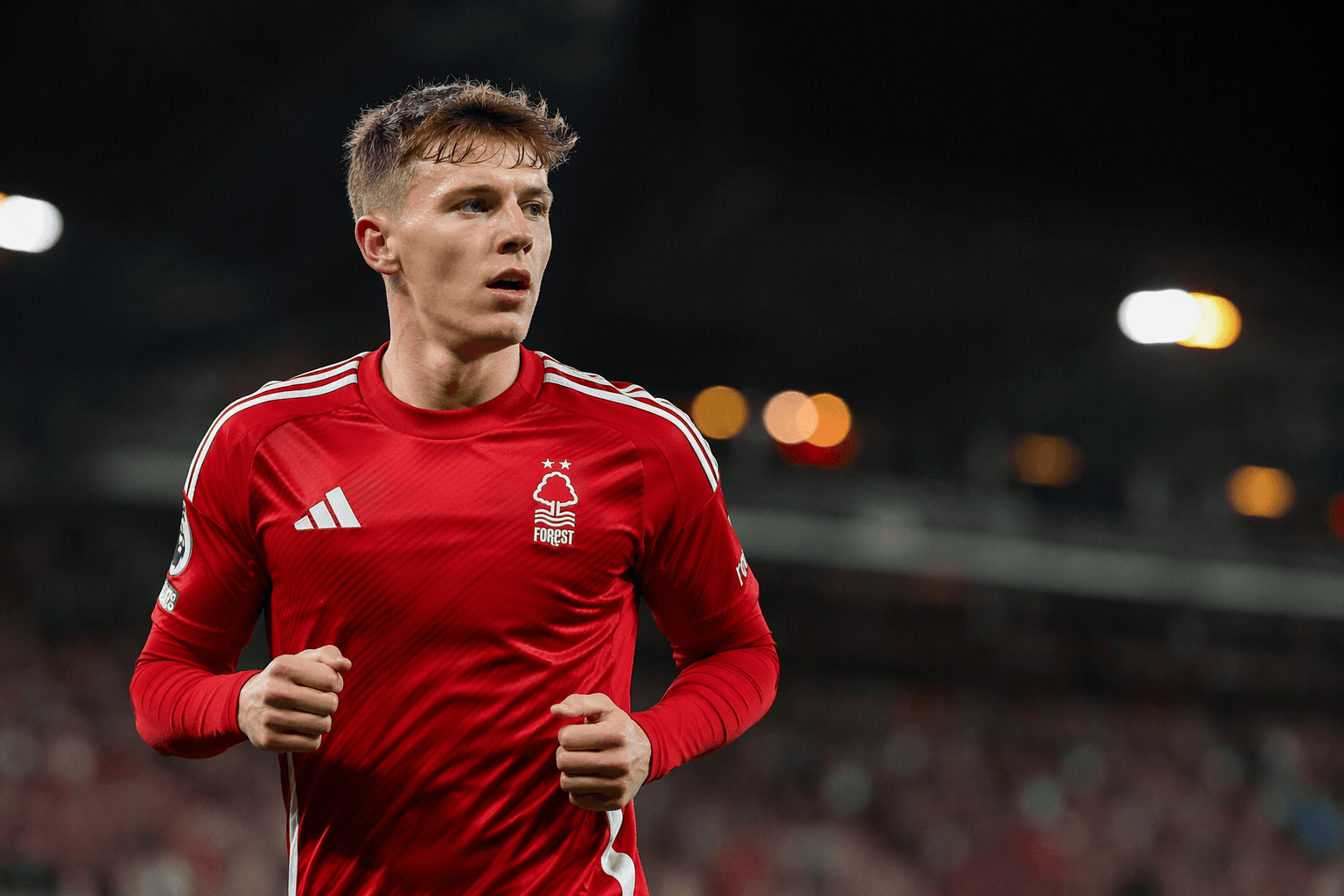
2026 NBA draft grades: Dybantsa, Peterson and Boozer headline first round
The first round signaled a new NBA hierarchy: freshman stars and oversized creators drove the top, with Dybantsa, Peterson and Boozer setting the tone.

The 2026 draft did more than crown a No. 1 pick. It exposed where front offices now place their highest bets: on freshman production, on jumbo wings who can bend the floor, and on guards whose scoring flashes can survive NBA pressure. With eight freshmen taken in the first nine selections, the opening round looked less like a one-night event than the start of the league’s next talent cycle.
A top three that defined the night
AJ Dybantsa, Darryn Peterson and Cameron Boozer formed the clear center of gravity at the top, with Caleb Wilson also circulating in pre-draft discussion as part of the same upper tier. Washington took Dybantsa No. 1 overall, Utah chose Peterson No. 2, and Memphis grabbed Boozer No. 3, a sequence that matched the way the class had been framed for months: as a small group of players with franchise-altering upside.
That ordering mattered because it showed how little friction there was between reputation and result. Dybantsa arrived with the most complete statistical case of the group, Peterson carried the pure scoring profile, and Boozer gave teams another oversized, high-end forward to project. The first round’s opening stretch reinforced that evaluators are still willing to let elite upside, age and production outweigh concerns about polish or workload.
Why Dybantsa became the anchor of the draft
Dybantsa’s case was built on one of the most dominant freshman seasons in recent memory. At BYU, he averaged 25.5 points, 6.8 rebounds and 3.7 assists per game, shot 51.0 percent from the field and finished with 894 points, the nation’s scoring high. He also became the first player in Big 12 history to post a triple-double of at least 30 points, 10 rebounds and 10 assists, a marker that underlined how much more than a scorer he was.
The draft night selection added another layer to the story. The Wizards said Dybantsa is the franchise’s fifth No. 1 pick and the first since John Wall in 2010, a reminder that Washington has spent years searching for a singular talent to reset its trajectory. Dybantsa also became the first No. 1 pick from BYU, which turns his rise into a milestone for the program as well as the franchise.
His fit in Washington sharpened the leaguewide conversation around star concentration. Trae Young welcomed him to Washington and discussed the No. 3 jersey chatter tied to Dybantsa, while the Wizards now pair him with Young and Anthony Davis in a group built around size, shot creation and name-value gravity. That is the sort of top-line talent accumulation front offices keep chasing because it creates both on-court flexibility and a clear identity for the next phase of a rebuild.
Peterson’s profile explains the split in the room
Peterson entered the draft with a different kind of résumé, one that mixed shot-making with interruption. At Kansas, he averaged 20.2 points per game, but his season was interrupted by severe full-body cramping that required hospitalization before the season and by other injuries and illnesses that cost him 11 games. The statistical profile still placed him firmly among the class’s elite, and the top-three treatment reflected how highly teams valued the scoring talent even with the missed time.
The appeal is obvious: Peterson can get to his own offense and create difficult shots, the kind of skill that travels in the postseason when possessions tighten. The uncertainty is equally obvious: his evaluation depended on how much confidence teams had in the durability of his usage and in how quickly his body could handle an NBA workload. That tension is exactly why guards like Peterson tend to create sharper disagreement than the more consensus-driven wings near the top.
Boozer fit the league’s growing taste for oversized skill
Boozer’s place at No. 3 kept the draft’s most important pattern intact. Teams kept leaning into taller, more versatile prospects who can score without being confined to a single spot on the floor, and Boozer fit that mold as one of the class’s most visible front-line talents. The broader message was clear: the league still rewards size, but only when it arrives with enough skill to tilt matchups rather than merely absorb them.
That preference showed up across the opening round, not just at the top. The fact that eight freshmen went in the first nine picks suggests teams are increasingly comfortable using age as a proxy for runway, especially when a player already has high-level production against older competition. The result is a first round that looks more like a scouting map of future stars than a conventional inventory of roster needs.
What the first round says about the league’s pipeline
The 2026 draft also returned to the full 60-pick format, with no second-round forfeitures, which made the night feel structurally complete in a way recent drafts have not always been. The event was held at Barclays Center in Brooklyn, took place June 23-24, and marked the draft’s 80th anniversary. The second round was set for June 24 at 8 p.m. ET on ESPN, but the first round had already established the central thesis of the class: the pipeline is tilting younger, bigger and more projectable.
That matters for how teams build. When the top of a draft is dominated by freshmen, the league is signaling patience with development but also a premium on finding stars before they become expensive. The early grades around this class were never just about who went where; they were about which organizations understood that the next power shift will likely belong to teams that can identify elite talent before the rest of the league catches up.
This article was produced by Prism’s automated news system from verified source data, official records, and press releases, then run through automated quality and moderation checks before publishing. The system is built and supervised by the people who set the standards it runs under. Read our full AI policy.
Did this article answer your question?
.jpg&w=1920&q=75)