2026 stretches summer with earliest Memorial Day, latest Labor Day
Memorial Day landed on May 25 and Labor Day on Sept. 7, giving the United States a 105-day unofficial summer and a nearly month-long head start before the solstice.

The U.S. calendar gave summer its longest runway this year, with Memorial Day falling on Monday, May 25, the earliest possible date under the last-Monday-in-May rule, and Labor Day landing on Monday, Sept. 7, the latest possible date. The result was a 105-day unofficial summer stretch that started nearly a month before the official astronomical first day of summer on Sunday, June 21.
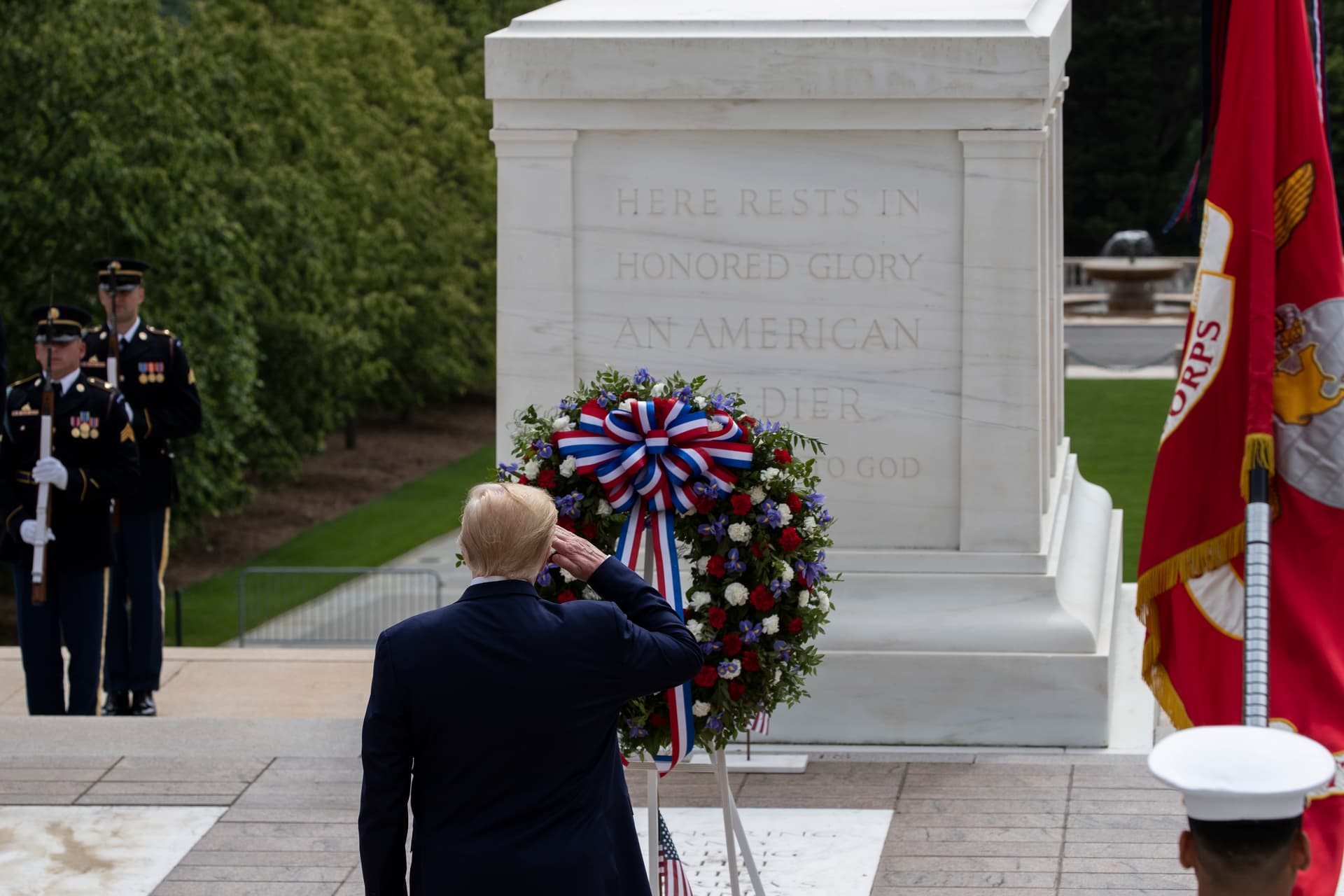
That long span reflects a holiday structure set in motion decades ago. Memorial Day moved to the last Monday in May under the Uniform Monday Holiday Act, passed in 1968 and put into effect for Memorial Day in 1971, creating a three-day weekend that still frames the start of the warm-weather season. The holiday’s roots reach back to Decoration Day, when more than 5,000 people gathered at Arlington National Cemetery on May 30, 1868, for the first national observance. Congress did not formally declare the name Memorial Day until 1967.
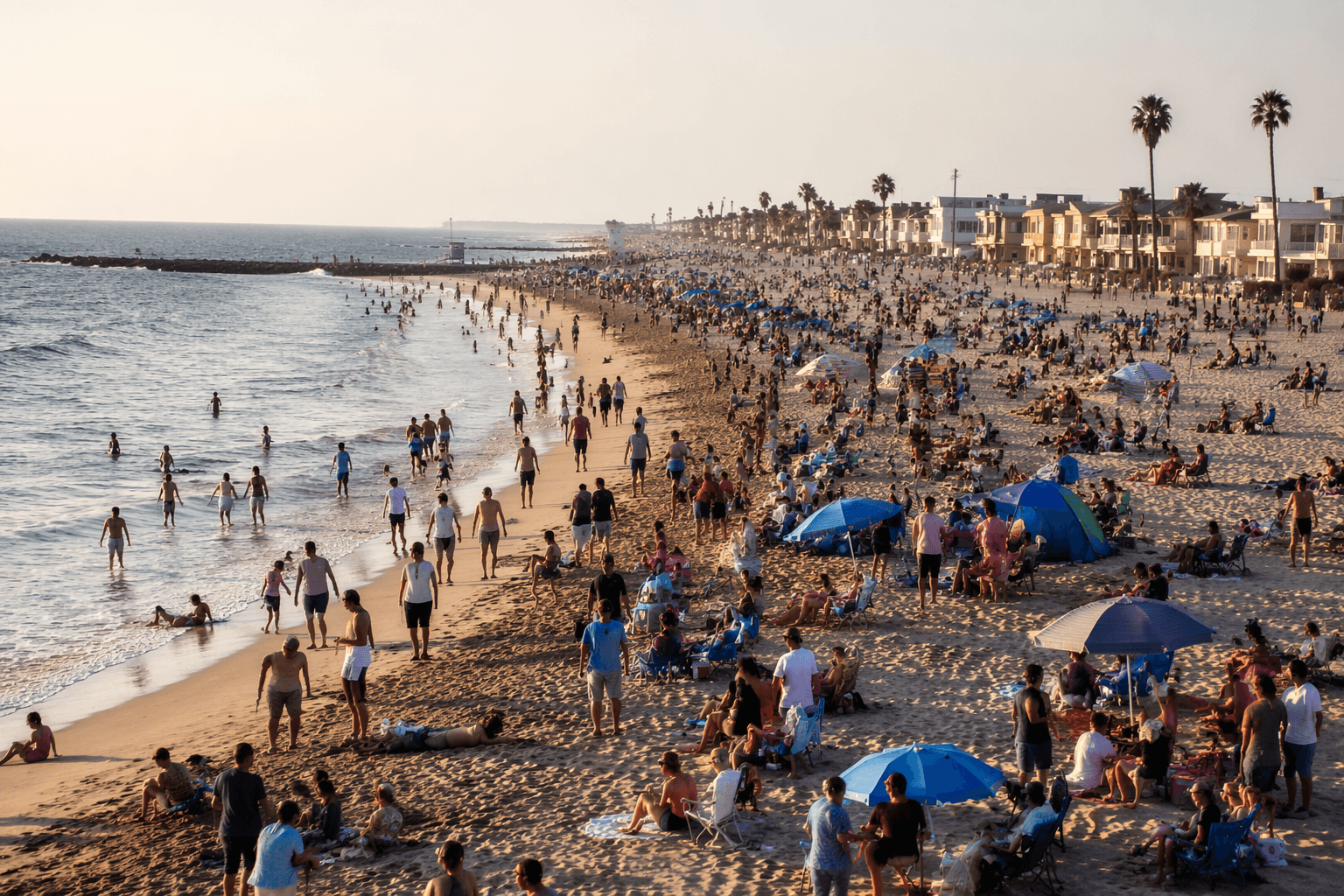
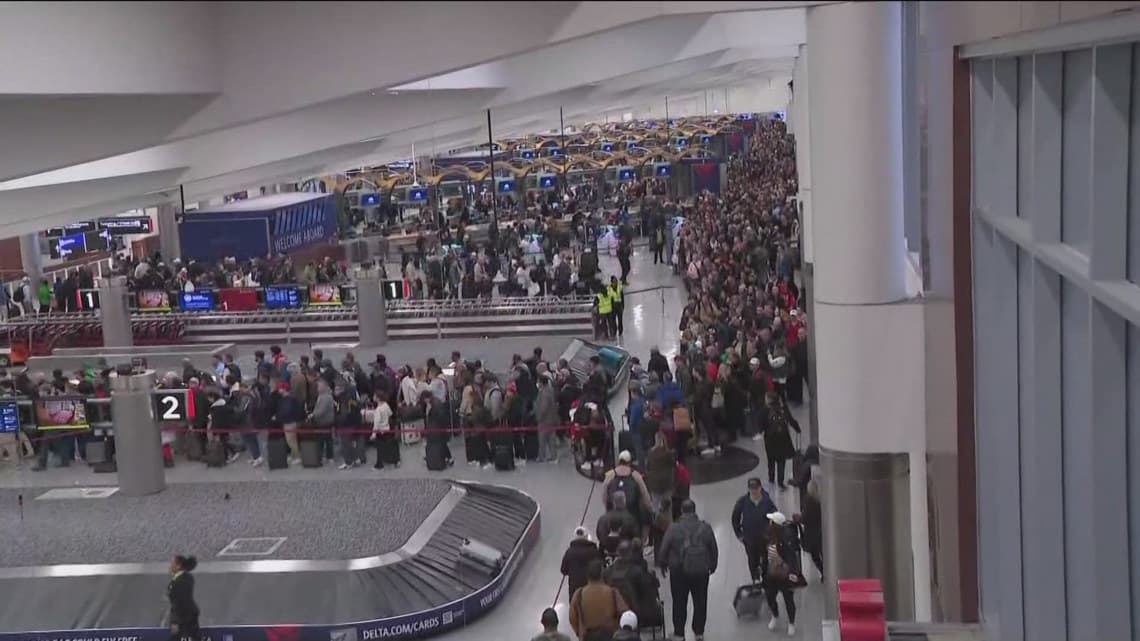
The economic effect of the calendar is straightforward: it stretches the season for travel, outdoor spending and short-term hiring. Memorial Day sits at the point when warmer weather, longer days, school-year countdowns, pool openings, cookouts, beach trips and severe-weather risk all begin to overlap, which helps explain why hotels, campgrounds, restaurants, airlines and beach towns treat it as the opening bell for summer demand. Families with flexible schedules tend to benefit most, because they can turn the long weekend into a longer vacation and spread fixed travel costs over more days.
The costs show up in the places households feel fastest. Cooling bills rise as temperatures climb before the official solstice. Groceries go up with cookout spreads, ice, charcoal and picnic supplies. Families paying for beach rentals, glamping stays or amusement-park trips face the steepest outlays, while workers in seasonal jobs often see their busiest stretch begin with Memorial Day and run toward Labor Day. For school-age families, the calendar also compresses the last weeks before fall routines return, making the holiday feel less like a marker on paper and more like the start of a long, expensive, and heavily booked season.
Labor Day has become the unofficial end of summer for the same reason Memorial Day acts as its start: it is the last major travel window before school resumes and the nation shifts back to fall schedules. In 2026, that bookend arrived as late as possible, giving households and businesses the widest summer window the U.S. calendar can offer.
Know something we missed? Have a correction or additional information?
Submit a Tip