2026 World Cup brings 104 matches across North America
A 48-team World Cup will pack 104 matches into five weeks, with 78 games in the U.S. and major viewing splits across FOX, Telemundo and Universo.
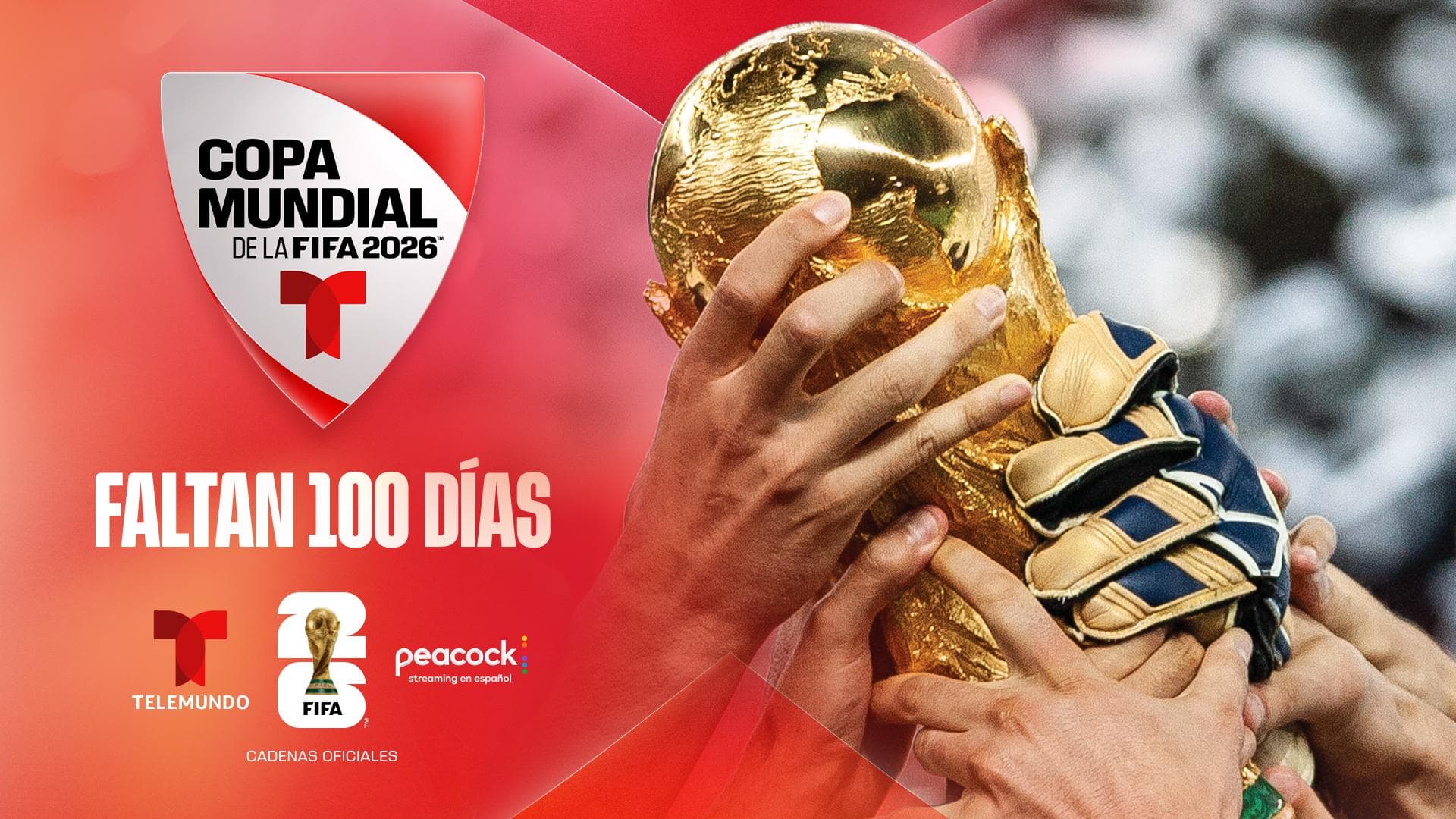
The biggest World Cup ever staged on North American soil will turn June and July into a daily television marathon. The 2026 tournament will spread 104 matches across 16 host cities in Canada, Mexico and the United States, with U.S. captain Tim Ream describing it as "a Super Bowl every single day for five weeks."
The scale is unlike any previous edition. FIFA’s expanded format will feature 48 teams for the first time, with 1,248 players from 48 nations named on final squad lists on June 2. The tournament opens June 11 and runs through July 19, with Mexico hosting the first match in Mexico City and Monterrey set to stage a landmark game on June 20, when Japan faces Tunisia in what FIFA says will be the 1,000th match in World Cup history.

For American viewers, the broadcast map is just as sprawling as the competition itself. FOX and NBCUniversal hold the U.S. rights, but the easiest path to free viewing depends on the language and the screen. CBS News reported that viewers with an antenna or access to FOX can watch 70 matches for free in English, while every match will air in Spanish on Telemundo and Universo. CBS also reported that 92 of the 104 matches will be free in Spanish, a detail that will matter for households trying to follow the tournament without paying for multiple services.
The U.S. will host 78 of the 104 matches, giving American fans the densest schedule in the event’s history. Canada and Mexico will each host 13, and the daily rhythm of the tournament will stretch across afternoon and evening kickoffs in North America, making the event feel less like a single championship and more like a five-week broadcast shift that never really pauses.
Ticket demand is already tight, and FIFA has started pushing schedule and ticket information as fans build travel plans around the 16-city footprint. That pressure reflects the size of the event and the geography behind it: a three-country tournament with one flagship market, the United States, carrying most of the match load and most of the viewer confusion. In practice, the 2026 World Cup will reward fans who sort out their access early, because this summer’s defining sports event will not fit neatly into one channel, one city or one viewing habit.
This article was produced by Prism’s automated news system from verified source data, official records, and press releases, then run through automated quality and moderation checks before publishing. The system is built and supervised by the people who set the standards it runs under. Read our full AI policy.
Did this article answer your question?
.jpg&w=1920&q=75)