2026 World Cup expands to 48 teams, biggest tournament ever
A first World Cup with a child arrives at the sport’s biggest stage yet: 48 teams, 104 matches and a North American host across 16 cities.
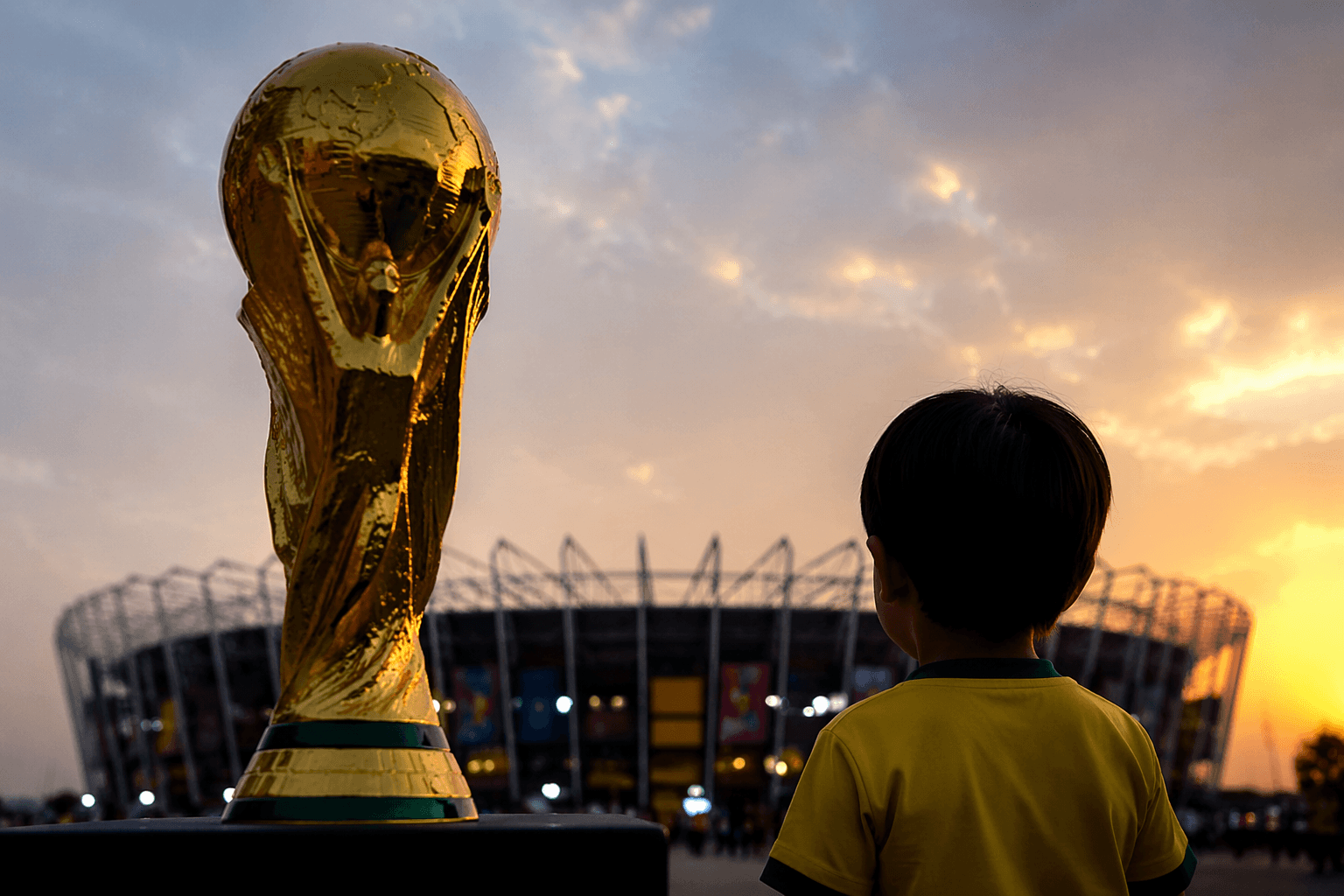
The biggest World Cup in history is also the kind of event many U.S. parents will remember through a child’s eyes. With 48 teams, 104 matches and 16 host cities across Canada, Mexico and the United States, the 2026 tournament turned soccer’s global ritual into a larger, louder shared experience.
The competition opened at Mexico City Stadium on 11 June 2026, launching a schedule that runs through 19 July 2026. FIFA said Mexico City Stadium became the first stadium to host three World Cup opening matches, a milestone that tied the modern expansion to the tournament’s most established stage. The new format adds an additional knockout round and raises the match count from 64 in the previous structure to 104, making this edition the largest men’s World Cup ever played.
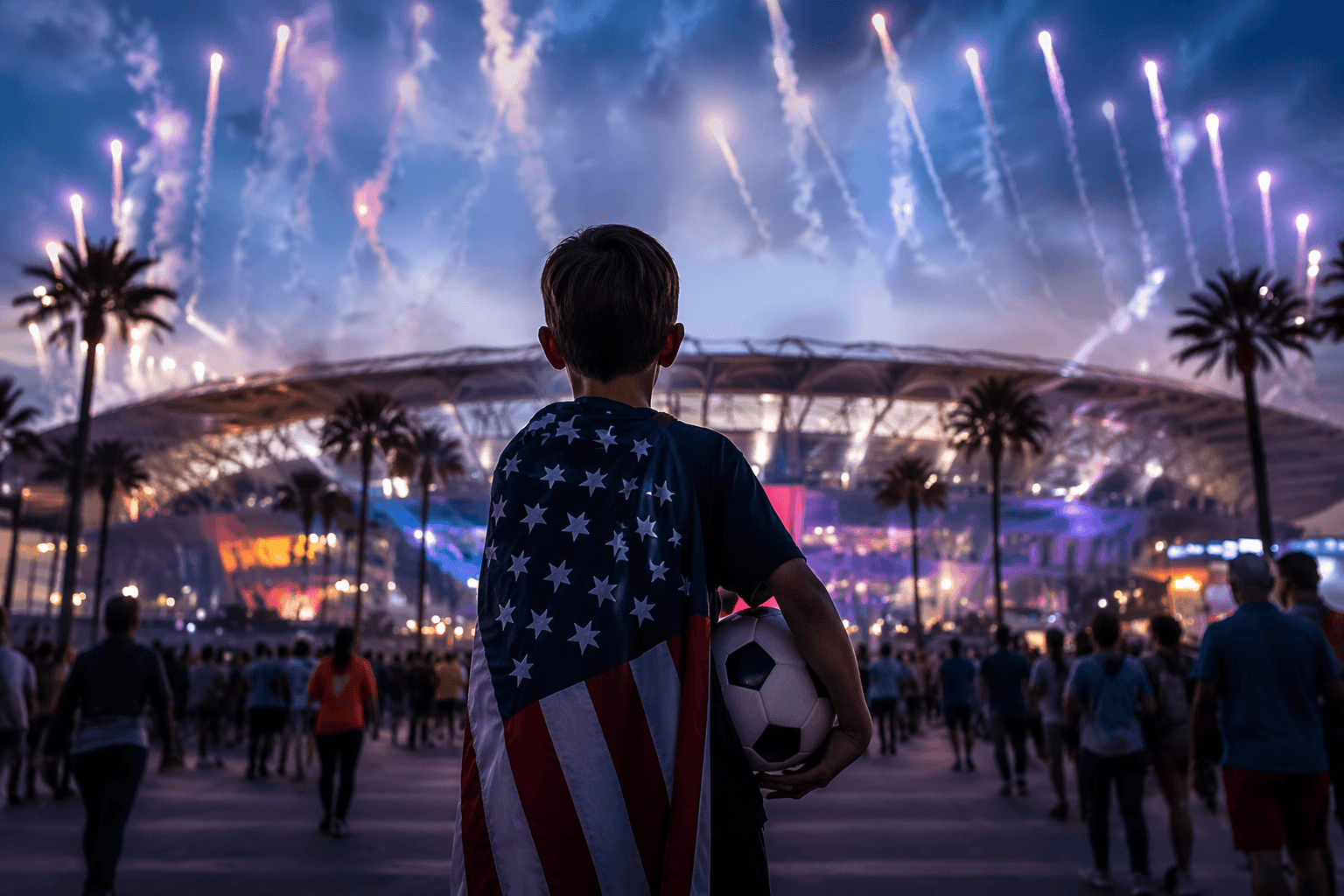
That scale matters beyond logistics. For many families in the United States, this tournament is landing at the point when a child is old enough to sit still for a match, learn the names, and ask why crowds from three countries are singing before kickoff. The North American footprint makes that experience more immediate than in past World Cups, with games spread across major cities in Canada, Mexico and the United States rather than concentrated in one nation.
The 2026 tournament also sits inside a much longer history. FIFA traces World Cup history to Uruguay in 1930, when the first tournament featured 13 teams and ran from 13 to 30 July 1930. Uruguay beat Argentina 4-2 in the final, and that opening chapter set the template for what became the world’s defining sporting event. On 13 July 1930, the first World Cup matches were played, with France defeating Mexico 4-1 and the United States beating Belgium 3-0.
That lineage gives the 2026 expansion a particular weight. The sport that began with 13 teams in Uruguay is now stretching to 48, while still carrying the same basic promise: national teams, packed stadiums and a month of results that can become family lore. For parents introducing a child to the tournament for the first time, this is not just a bigger bracket. It is a passing of the game’s oldest ritual into a new American generation, on a stage larger than any before it.
This article was produced by Prism’s automated news system from verified source data, official records, and press releases, then run through automated quality and moderation checks before publishing. The system is built and supervised by the people who set the standards it runs under. Read our full AI policy.
Know something we missed? Have a correction or additional information?
Submit a Tip