2026 World Cup faces human rights concerns across three host nations
Forty-eight teams, 16 cities and a June 11 opener in Mexico City have made the 2026 World Cup the biggest ever, and human rights groups see rising risks.
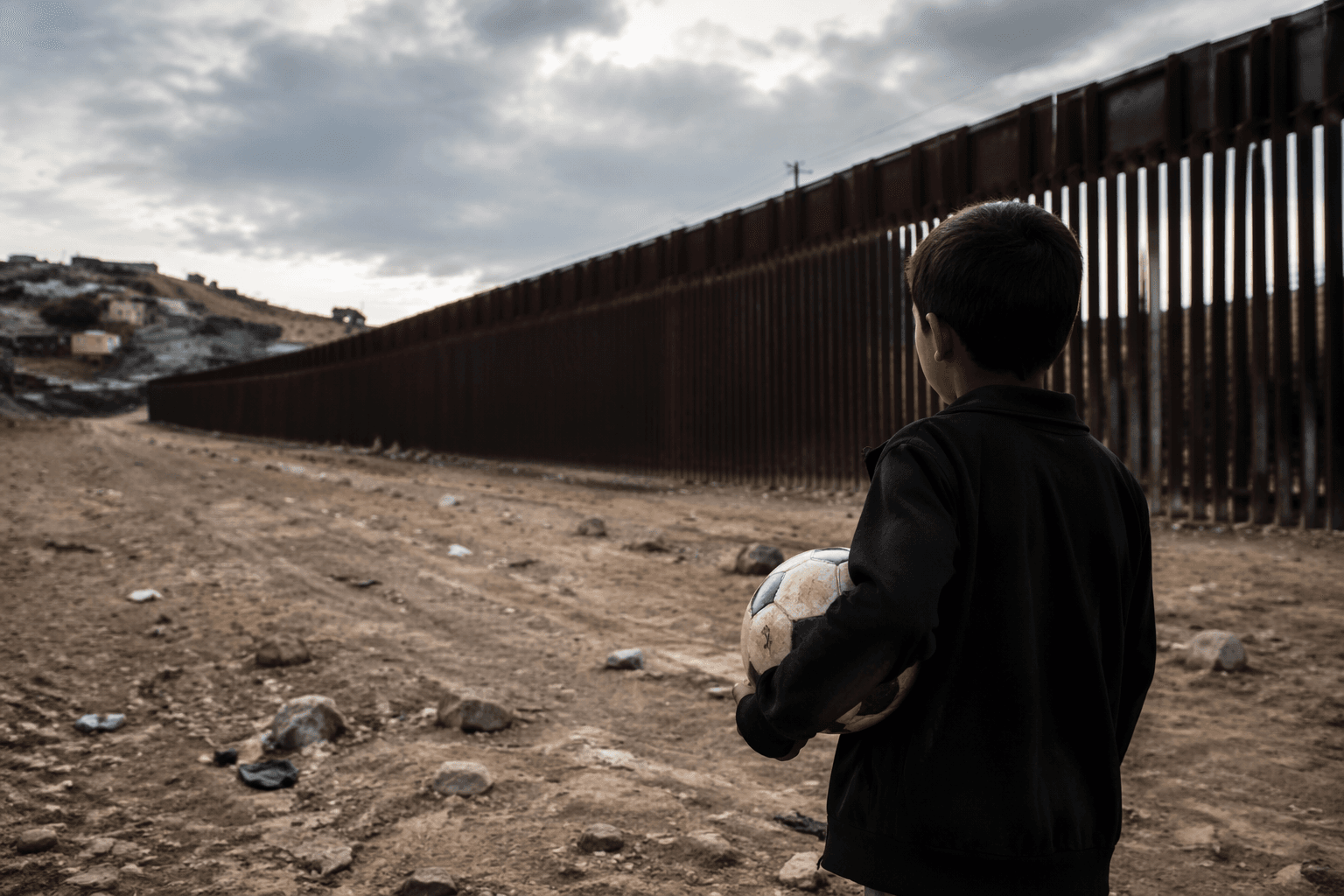
The 2026 World Cup is set to be the sport’s biggest stage and its most complicated test. Forty-eight teams will play across 16 host cities in Canada, Mexico and the United States from June 11 to July 19, with the final scheduled for New York/New Jersey and the opener in Mexico City.
That scale is the point, and the problem. FIFA approved the jump to 48 teams on January 10, 2017, after expanding the tournament from 24 teams to 32 in 1998. The organization initially described a format with 16 groups of three teams followed by a 32-team knockout stage, a structure that has turned the event into the first World Cup to spread across three host nations. FIFA said 1,248 players representing 48 nations were confirmed in squad lists on June 2, a record that underscores how far the competition has outgrown its old footprint.
The political baggage has grown just as quickly. Human Rights Watch warned that the tournament is unfolding amid abusive immigration enforcement in the United States, new threats to media freedom and discrimination, while Amnesty International said fans and communities risk facing human rights abuses, including restrictions on peaceful protest and expression. Both groups say FIFA and host cities have not done enough to protect players, journalists, workers, fans and local communities.
The infrastructure of a super-sized World Cup also brings its own hidden costs. The Business and Human Rights Resource Centre described the event as an unprecedented movement of people, capital and global supply chains, and noted that authorities in Mexico City have publicly acknowledged significant hosting challenges. Analysts have pointed to immigration enforcement, security, travel restrictions and protest rights as the pressure points that could shape the tournament as much as the football itself.

The stakes are heightened by the broader geopolitical climate. The Council on Foreign Relations has said the Iran war, immigration enforcement and Trump administration travel bans have raised the stakes of the summer tournament, adding another layer of uncertainty for travelers, organizers and host cities. The North American bid beat Morocco at the 68th FIFA Congress in Moscow, but the promise of a larger, more global spectacle now comes with a clear trade-off: more teams, more hosts and more political baggage in exchange for a tournament that reaches farther than any World Cup before it.
This article was produced by Prism’s automated news system from verified source data, official records, and press releases, then run through automated quality and moderation checks before publishing. The system is built and supervised by the people who set the standards it runs under. Read our full AI policy.
Know something we missed? Have a correction or additional information?
Submit a Tip