2026 World Cup hits 100 goals faster than any edition since 1958
Cody Gakpo's strike took the 2026 World Cup to 100 goals in the 33rd match, the quickest pace to that mark since 1958.
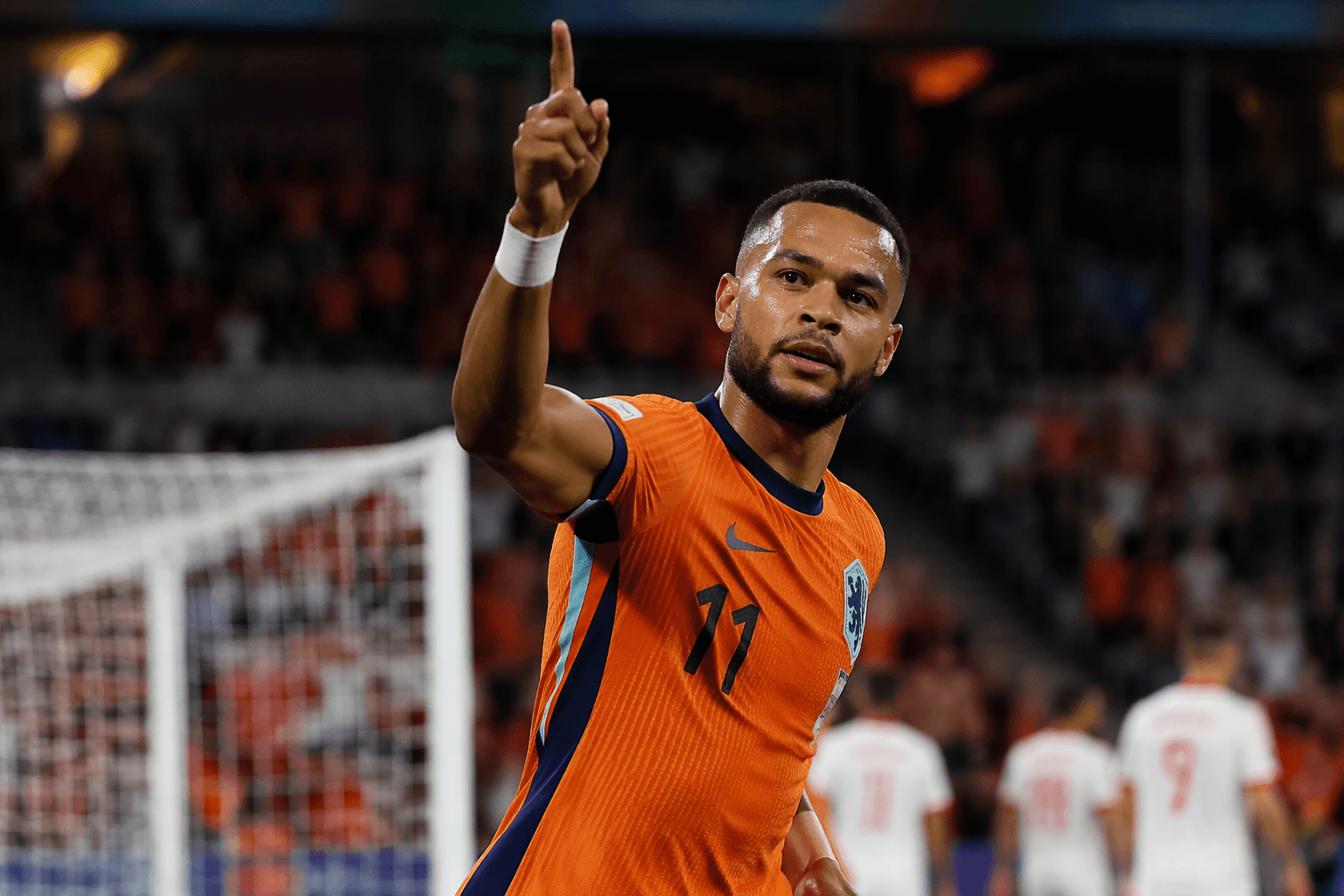
Cody Gakpo’s second goal in the Netherlands’ 5-1 win over Sweden pushed the 2026 World Cup to 100 goals in just the 33rd match, the fastest route to a century since 1958. By that point, the tournament had already reached 102 goals in 33 games, a 3.1-goals-per-game pace that has sharpened scrutiny of what is really driving the scoring surge.
The clearest structural change is the size of the competition itself. FIFA expanded the World Cup to 48 teams and 104 matches, added a round of 32, and said the format was chosen after reviewing team and fan experience, player welfare and sporting integrity. The schedule also was designed to minimize travel and maximize rest days, with the opening match set for Thursday, 11 June 2026 in Mexico City and the final scheduled for Sunday, 19 July 2026 in New York New Jersey.

That new rhythm has been paired with another intervention aimed squarely at workload: mandatory three-minute hydration breaks in every match, imposed 22 minutes into each half regardless of weather conditions. FIFA said the breaks were introduced because of player-welfare concerns and lessons from earlier competitions, including the 2025 Club World Cup. Those pauses, combined with the longer calendar and extra knockout round, have made fatigue management part of the tactical equation from the opening whistle.
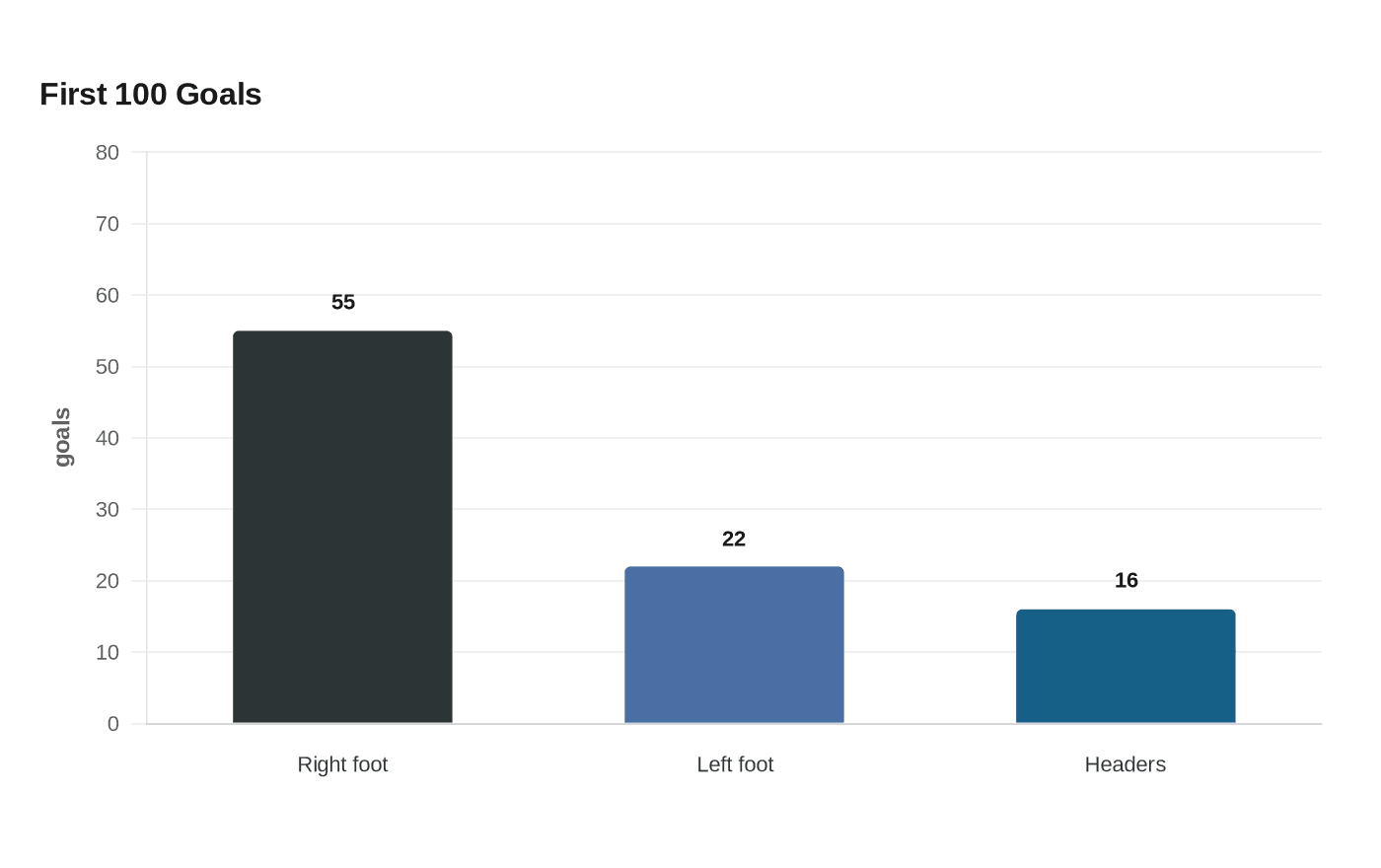
The scoring profile suggests the tournament has not merely become busier; it has also become more efficient in front of goal. ESPN’s breakdown of the first 100 goals found 55 were scored with the right foot, 22 with the left and 16 with headers. It also found that 80 came from inside the penalty area, only 13 from outside it, and 19 were from set pieces, including 10 from corner kicks. Seven own goals were excluded from the count.
Even with the fast start, the 2026 tournament is not close to the highest-scoring World Cup on a goals-per-game basis. ESPN noted that the 1954 edition still holds the record at 5.4 goals per game, but the current tournament remains well above the modern benchmark. The question now is not whether the goals are coming, but whether the blend of expanded fields, rest patterns, hydration breaks and possible equipment changes is creating the conditions for an attack-heavy World Cup that looks built to keep producing them.
This article was produced by Prism’s automated news system from verified source data, official records, and press releases, then run through automated quality and moderation checks before publishing. The system is built and supervised by the people who set the standards it runs under. Read our full AI policy.
Know something we missed? Have a correction or additional information?
Submit a Tip