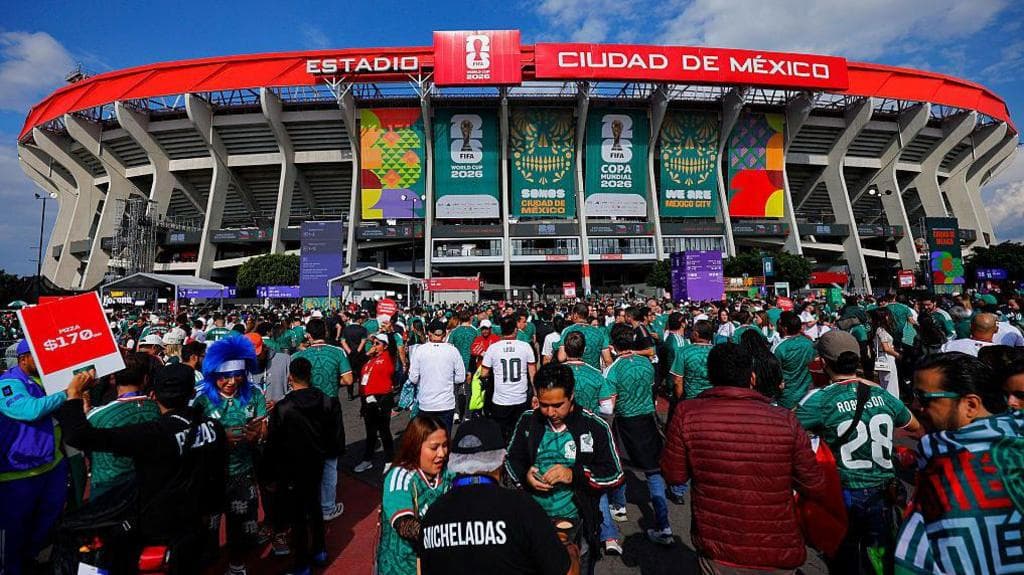
2026 World Cup sets attendance records as expanded tournament begins
The expanded World Cup is already rewriting the record book, with 281,223 fans on one day and 1,309,652 through the gates after six days.
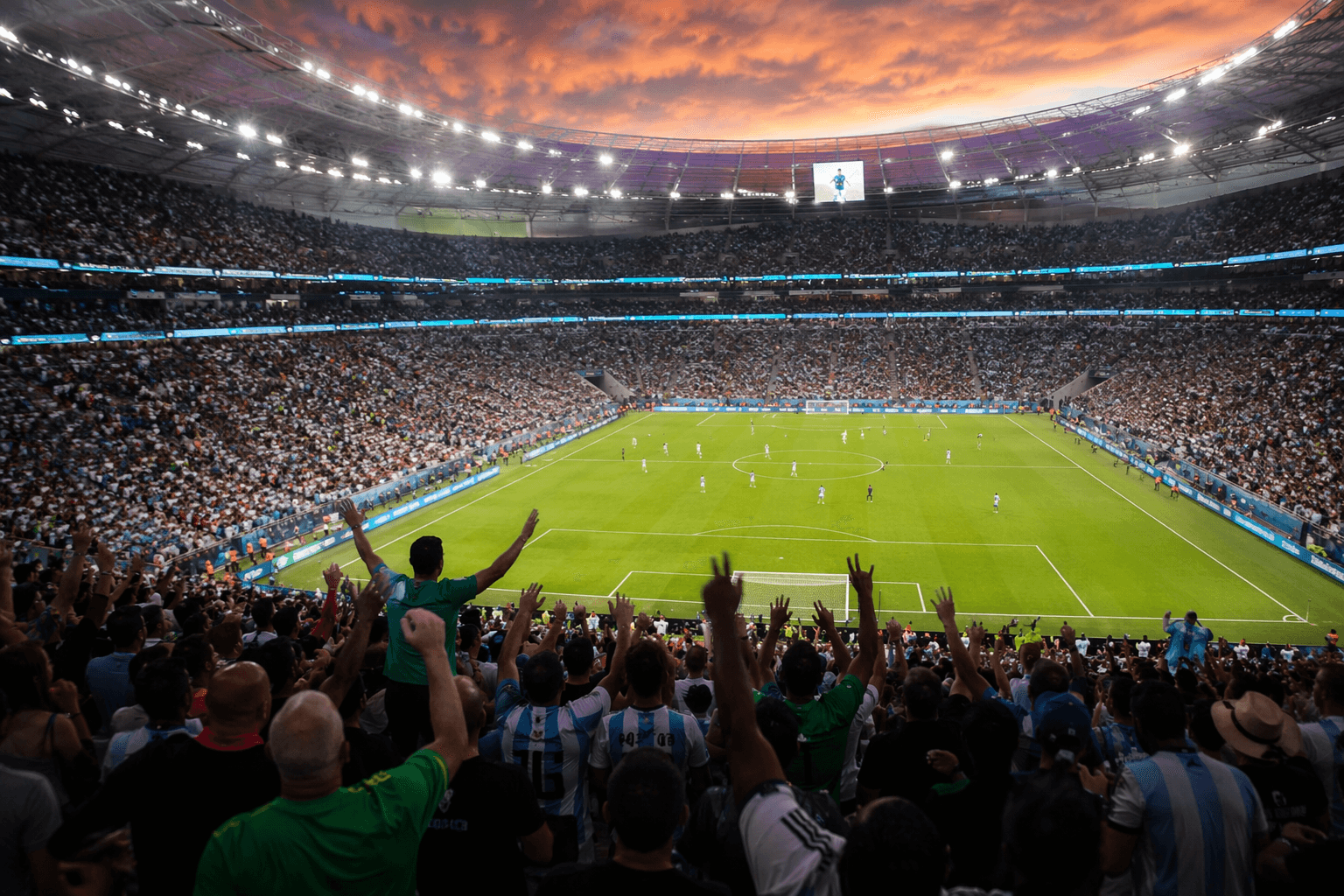
The expanded World Cup had barely reached its second week before the numbers began to tilt history. A total of 281,223 fans passed through the turnstiles on 16 June across four group-stage matches, setting a new single-day tournament attendance record and edging past the 277,070 mark from 28 June 1994 in the United States.
That attendance milestone was striking, but it also reflected arithmetic as much as momentum. The 2026 tournament is the first World Cup with 48 teams and 104 matches, played across Canada, Mexico and the United States from 11 June to 19 July, and the extra fixtures created more chances to fill stadiums and reset records. The more consequential change was structural: a bigger field, an additional knockout round and a longer road to the trophy, which meant every champion now had to survive more matches to win the title.

FIFA said 1,248 players representing 48 nations were confirmed in final squad lists on 2 June. After six days of action, the governing body said 1,309,652 supporters had already attended matches, with average gates of 65,483, and it said the tournament was on track to break the all-time cumulative World Cup attendance record by the end of the group stage.
The biggest crowds on 16 June came in France v Senegal, which drew 80,545, and Argentina v Algeria, which drew 69,045. Austria v Jordan attracted 68,527, while Iraq v Norway drew 63,106. FIFA president Gianni Infantino celebrated the milestone online and thanked fans for the atmosphere, while the strong turnstile numbers also eased early concerns about high ticket prices and empty seats.
Attendance was not the only early indicator of scale. More than 54 million viewers in the United States had watched World Cup coverage through 17 June, and broadcasters Fox and Telemundo were posting record ratings. The expanded format has already changed the size of the event; the sharper question is whether it will also change the sport’s competitive hierarchy in a lasting way.
This article was produced by Prism’s automated news system from verified source data, official records, and press releases, then run through automated quality and moderation checks before publishing. The system is built and supervised by the people who set the standards it runs under. Read our full AI policy.
Did this article answer your question?