2026 World Cup ticket demand shatters FIFA records across North America
More than 500 million World Cup ticket requests flooded FIFA's draw, with U.S., Canada and Mexico fans leading the early surge.

More than 500 million ticket requests poured into FIFA’s Random Selection Draw for the 2026 World Cup, a volume FIFA said exceeded the total number of spectators who have attended all previous World Cups combined. The surge came as the first men’s tournament with 48 teams took shape across the United States, Mexico and Canada, and it has already pushed the event into record territory before the first ball is kicked.
At the halfway point of the draw, FIFA said fans from more than 200 countries had submitted more than 150 million requests. The application pool later expanded to fans from all 211 FIFA member associations’ countries and territories, underscoring how far the buying interest reached beyond the three host nations. FIFA said the opening sales windows were oversubscribed by more than 30 times, based on verified credit card numbers submitted with each application.
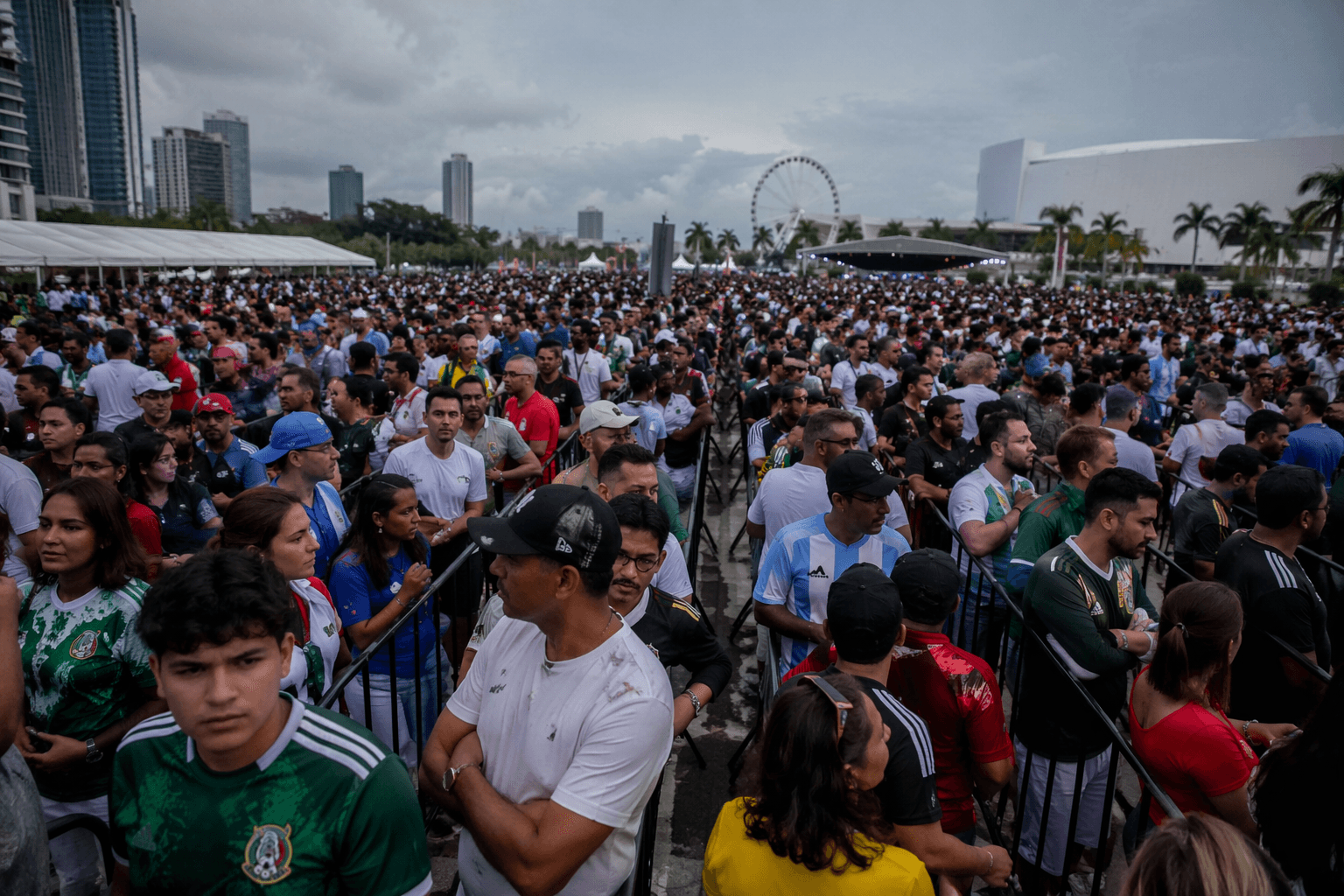
The host market was not just a backdrop to the demand. FIFA said residents of the United States, Canada and Mexico led ticket purchases in the Visa Presale Draw, in that order, giving North America the top three spots in the earliest buying phase. The three host countries also ranked among the top applicant countries in the broader Random Selection Draw, a sign that the region was not merely hosting the tournament but driving the first wave of sales.
That matters because the 2026 World Cup is larger than any men’s tournament before it. The field will expand to 48 teams, and the schedule runs from June 11 to July 19, 2026. FIFA has said the draw was fueled in part by blockbuster matchups and by the chance to see the biggest World Cup ever staged, a pitch that appears to have resonated far beyond the usual soccer markets.
The record demand does not by itself prove that the United States has become a fully formed World Cup nation. It does show something harder to dismiss: when the tournament lands on home soil, North American fans can produce crowds and buying behavior on a scale that rivals the sport’s established centers. The remaining test is whether that appetite holds once the novelty of a home World Cup gives way to the more ordinary reality of stadium seats, travel, and matchday prices.
This article was produced by Prism’s automated news system from verified source data, official records, and press releases, then run through automated quality and moderation checks before publishing. The system is built and supervised by the people who set the standards it runs under. Read our full AI policy.
Did this article answer your question?
.jpg&w=1920&q=75)