20‑year‑old says she spent 16 hours on Instagram as landmark trial targets Meta and YouTube
A Los Angeles jury heard a plaintiff say she was "on it all day long" and blamed platform features for addiction, depression and self‑harm; trial is expected to run into mid‑March.
A young woman identified in court filings as K.G.M. told jurors she once spent more than 16 hours on Instagram in a single day and that early exposure to YouTube and Instagram addicted her and worsened her depression. The testimony came as families and states press a first‑of‑its‑kind case in Los Angeles that accuses Meta and YouTube of designing social‑media products that intentionally hook children.
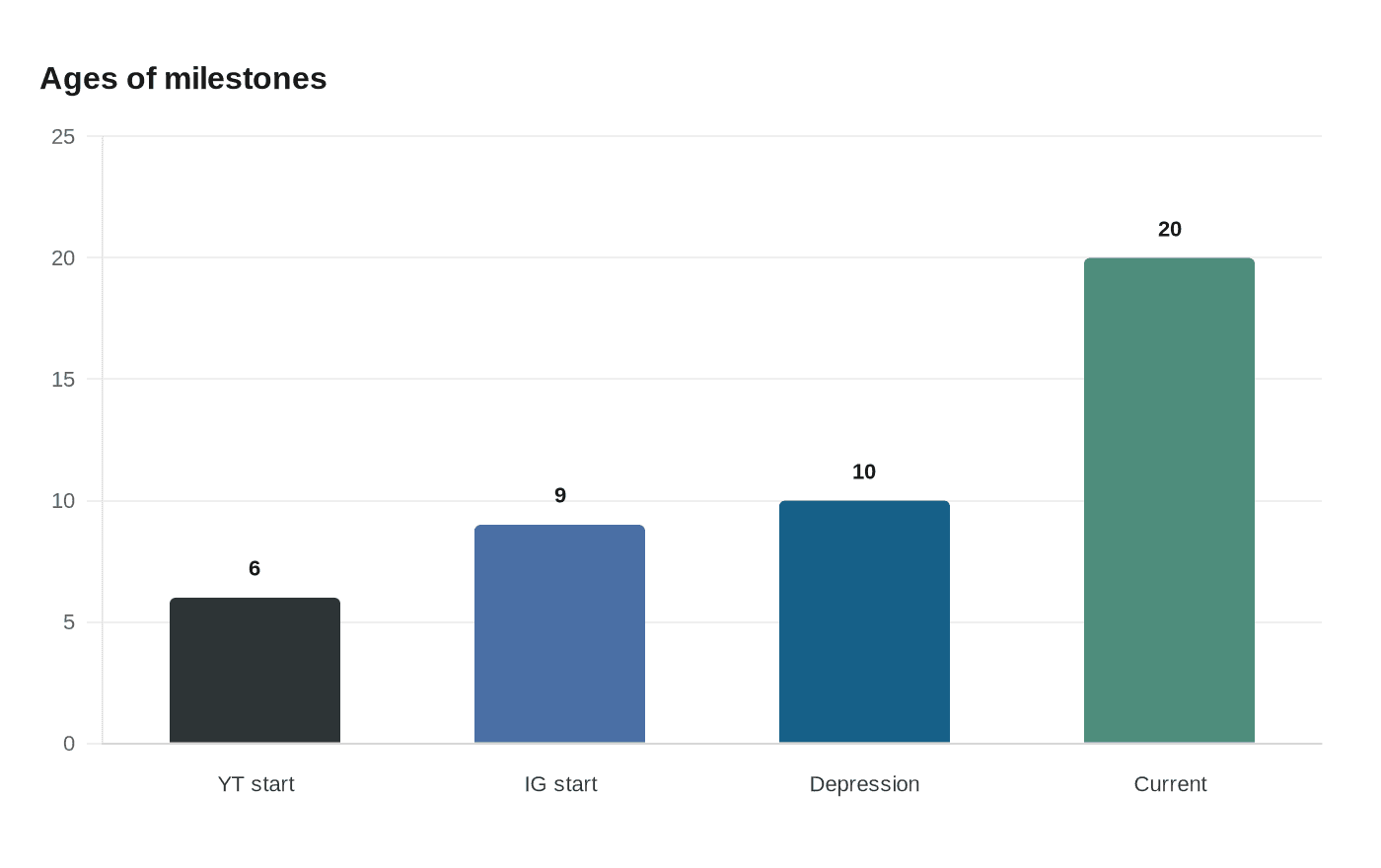
K.G.M., now 20 and living in Chico, California, said she began using YouTube at age 6 and Instagram at 9, with no meaningful barriers to access. "Every single day, I was on it all day long," she told the courtroom. She described checking notifications in school bathrooms and said notifications "gave her a 'rush.'" "I just felt like I wanted to be on it all the time, and if I wasn't on it, I felt like I was going to miss out on something," she said. "Anytime I tried to set limits for myself, it wouldn't work and I just couldn't get off."
Her testimony laid out a personal arc that lawyers for the plaintiff say links platform design to severe harms: early social‑media use, escalating hours online, withdrawal from family and friends, body‑image problems and, by age 10, depression and self‑harm. "I stopped engaging with family because I was spending all my time on social media," she said. She has since graduated high school, studied communications at Butte College and now fills online orders at a Walmart, according to court filings.

A therapist who treated the plaintiff, Victoria Burke, testified that social media and the young woman's sense of self "were closely related," and that what happened on the platforms could "make or break her mood." Burke's treatment records, described in court, covered several months when the plaintiff was in her early teens.
Meta and YouTube have pushed back in court, arguing the young woman's behavior is not an addiction caused by product design. The companies contend that social media is no more addictive than television or a book and that creating a product that harms users is contrary to their business interests. Executives including Meta's Mark Zuckerberg, Instagram chief Adam Mosseri and YouTube engineering vice president Cristos Goodrow have given testimony at the trial.
Two other defendants named in the original 2023 suit, TikTok and Snap, reached settlements shortly before the trial and are no longer in the case; the parties have not disclosed settlement terms. The remaining trial in Los Angeles county superior court began in late January and is expected to continue into mid‑March, when jurors will weigh whether platform features such as autoplay, notifications and beauty filters were deliberately designed to foster addiction and produce the harms described by the plaintiff.
The case is being watched by plaintiffs' lawyers and government officials across the country as a potential bellwether for thousands of related suits alleging social‑media harms to minors. No monetary award or injunction has been reported so far; the trial is ongoing and the court will determine whether the evidence meets legal standards for liability and relief.
This article was produced by Prism’s automated news system from verified source data, official records, and press releases, then run through automated quality and moderation checks before publishing. The system is built and supervised by the people who set the standards it runs under. Read our full AI policy.
Did this article answer your question?