23 States Sue to Block Trump's Executive Order Restricting Mail Voting
A coalition of 23 attorneys general and Pennsylvania's governor filed the fourth lawsuit against Trump's mail voting order, which could affect millions before November midterms.
Officials from 23 states and the District of Columbia filed suit Friday to block President Trump's executive order giving the U.S. Postal Service unprecedented authority over who receives a mail ballot, marking at least the fourth legal challenge against an order election experts have widely called unconstitutional.
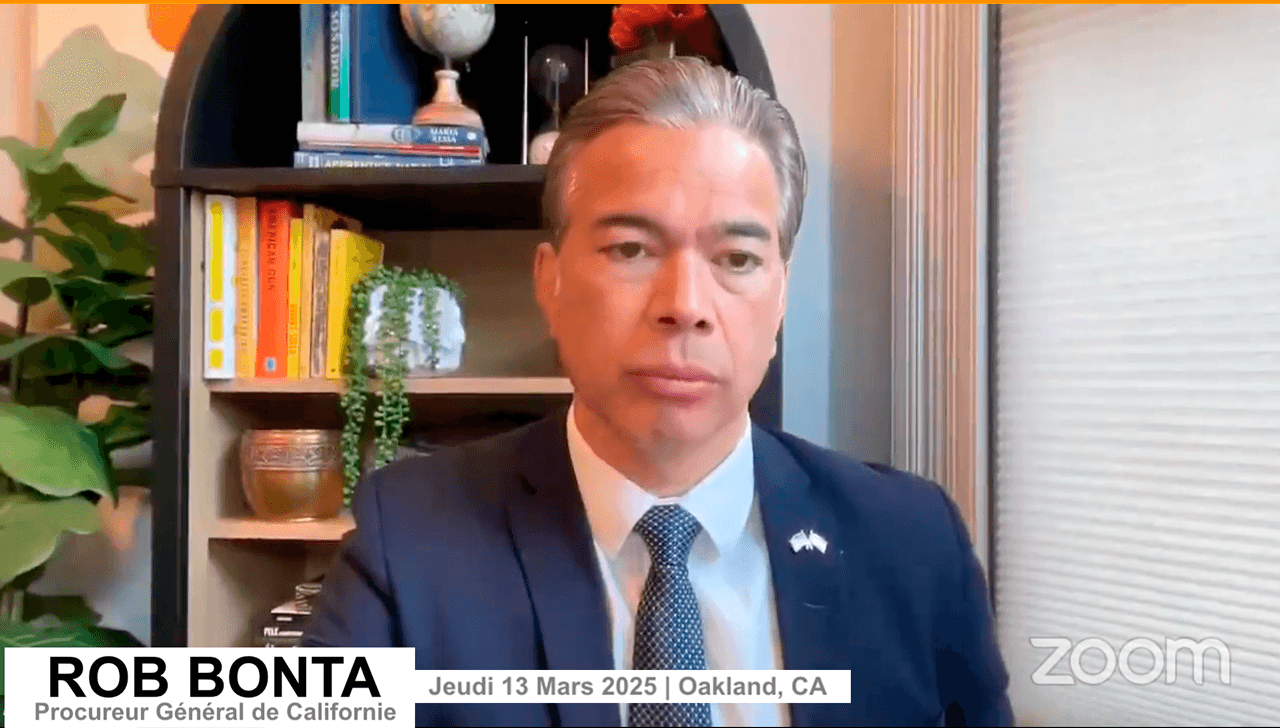
California Attorney General Rob Bonta co-led the coalition alongside Pennsylvania Governor Josh Shapiro, filing in U.S. District Court for the District of Massachusetts. Shapiro joined personally as governor rather than on behalf of Pennsylvania's government because the state's attorney general is a Republican. The 23 states include Arizona, Michigan, New York, Oregon, Nevada, Maine, and Wisconsin, among others.
The coalition argues Executive Order No. 14399, signed March 31 and formally titled "Ensuring Citizenship Verification and Integrity in Federal Elections," asserts presidential authority the Constitution explicitly reserves for states and Congress. Under Article I, Section 4, states and Congress hold the power to determine the "Times, Places and Manner" of federal elections. "The U.S. Constitution makes clear that elections are to be run by the states," Shapiro said. New York Attorney General Letitia James called the order "an authoritarian power grab," while Oregon Attorney General Dan Rayfield argued: "The Postal Service is not an election enforcement agency."
The order requires states to notify USPS at least 90 days before a federal election that they intend to allow mail voting, then submit a pre-approved list of eligible mail voters at least 60 days before the election. USPS is prohibited from delivering ballots to anyone not on that list. The order also directs the Department of Homeland Security and the Social Security Administration to compile "State Citizenship Lists" of confirmed eligible citizens, threatens to withhold federal funds from noncompliant states, and authorizes Attorney General Pam Bondi to investigate and potentially prosecute local election officials who issue ballots to ineligible voters.
The scale of voters potentially affected is considerable. Nearly a third of all Americans cast mail ballots in the 2024 general election. In Maine alone, more than 360,000 of approximately 900,000 registered voters voted by mail; in Nevada, approximately 670,000 did. Eight states automatically send every registered voter a mail ballot without requiring a request.
Election law experts were nearly universal in their criticism. Rick Hasen of UCLA wrote that "the timing here makes this virtually impossible to implement in time for November's elections." David Becker, executive director of the Center for Election Innovation and Research and a former Justice Department lawyer, said: "It is very clear that the president is trying to dictate policy to the states, and it's also very clear that the United States Constitution prevents that." The Brennan Center for Justice described the combination of an incomplete citizenship database and an overburdened USPS as "a car crash with a train wreck." National Rural Letter Carriers' Association president Don Maston warned the order would impose "new administrative burdens on an agency that is already under significant financial strain."
Friday's filing was the fourth challenge in three days. Senate Minority Leader Chuck Schumer and House Minority Leader Hakeem Jeffries co-filed the first Wednesday alongside Democratic party organizations in Washington, D.C., with two separate voting-rights coalitions filing suits Thursday. Trump's first elections executive order, signed in March 2025, was also partially blocked by federal courts, with a ruling in October 2025. The SAVE Act and SAVE America Act have passed the House but stalled in the Senate, where the 60-vote threshold needed to overcome the filibuster has proved unreachable.
For California's Bonta, Friday's filing was the 66th lawsuit his office has lodged against the Trump administration. Trump himself voted by mail in a Florida local election just days before signing the order restricting that very practice.
This article was produced by Prism’s automated news system from verified source data, official records, and press releases, then run through automated quality and moderation checks before publishing. The system is built and supervised by the people who set the standards it runs under. Read our full AI policy.
Did this article answer your question?