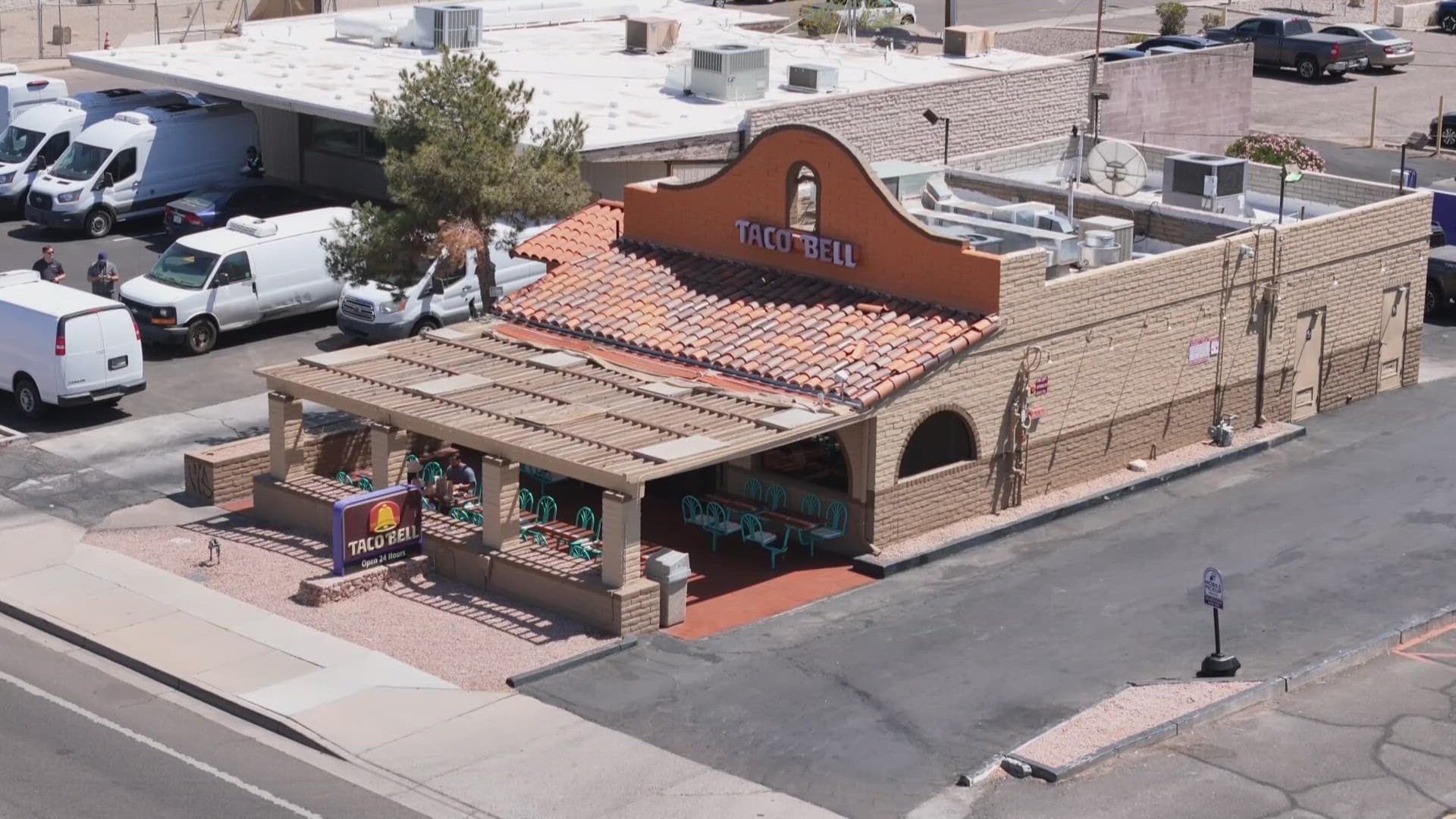
24-hour Taco Bell opening in University City sparks staff, customer shifts
A 24-hour Taco Bell opened at 3901 Chestnut Street in University City in late December, drawing local buzz and changing staffing, service routines and guest expectations.

A late-December opening of a new 24-hour Taco Bell at 3901 Chestnut Street in University City drew unexpectedly strong local enthusiasm and created immediate operational changes for workers. The location, which replaced a former Boston Market, has become a focus for social media and subreddit chatter and added another round-the-clock outlet to Taco Bell’s city network.
The restaurant’s footprint and equipment emphasize a tech-forward, late-night service model. The site includes digital ordering kiosks, pellet-ice soda machines, and expanded seating. Observations of the new store’s first weeks showed a kiosk-first ordering flow, with employees spending more time on table clearing, food assembly and bagging rather than taking orders at the counter. Staff also handled higher expectations for cleanliness and consistency from customers who prize the brand’s dependable late-night offerings.
For workers, the change is practical as well as cultural. Moving to 24/7 service shifts staffing needs, adding more overnight shifts and changing when managers must be on site. Night crews often face different guest flows and safety concerns than daytime teams, and managers will need to adjust scheduling, training and on-call coverage to maintain speed-of-service and morale. The presence of digital kiosks reallocates front-of-house work toward upkeep and running orders to guests, and that can alter role definitions for cashiers and crew members used to counter-first models.
The new location’s strong local buzz means heavier and sometimes unpredictable foot traffic, especially late at night and during meal peaks. Fans and even local chefs who follow Taco Bell closely contributed to early demand, amplifying expectations for consistent product and quick service. That pressures back-of-house operations—prep line pacing, inventory turnover and equipment maintenance become more visible when a store is open around the clock and under social-media scrutiny.

Operational details such as pellet-ice machines and larger seating areas can improve guest experience, but they also increase daily cleaning, stocking and maintenance tasks for staff. Franchise operators and district managers will need to balance labor costs with expected sales gains, and consider premium pay or staffing adjustments for overnight coverage to retain experienced crew.
The opening illustrates how a single location can reshape work rhythms across a brand’s local footprint. For Taco Bell workers in Philadelphia, the University City store is a test case in 24-hour operations with tech-forward service. Management decisions in the coming months on scheduling, training and safety measures will determine whether enthusiasm from customers translates into sustainable shifts in service and staffing.
Sources:
Know something we missed? Have a correction or additional information?
Submit a Tip