25 Morning Routines That Will Skyrocket Your Daily Productivity
Discover simple, practical morning habits you can adopt today to boost focus and get more done. These 25 actionable tips help you build a routine that supports energy, clarity, and consistent progress each day.
1. Wake Up at a Consistent Time Every Day
Set your alarm for the same time each morning, even on weekends, to regulate your sleep cycle and make waking less jarring. Commit to that time for at least a few weeks so your body adjusts and mornings feel easier and more predictable.

You'll notice more stable energy levels and fewer groggy starts when your body knows what to expect. This will make it simpler to plan productive morning rituals without relying on willpower alone.
2. Make Your Bed Immediately After Rising
Take 60 seconds to straighten sheets, fluff pillows, and close the duvet. Turning the simple act of making your bed into a non-negotiable cue signals the start of a purposeful day and gives you one tangible win immediately.

You'll feel a small but powerful sense of accomplishment that sets a positive tone for the rest of the morning. This will reduce visual clutter and help your brain move toward focused tasks.
3. Hydrate First Thing with a Full Glass of Water
Keep a glass or bottle by your bedside and drink at least a full glass when you wake up to rehydrate after sleep. Add a squeeze of lemon if you like flavor, but focus on getting fluids in before coffee or food to help digestion and alertness.

You'll feel more awake and less foggy after a simple hydration ritual. This will also support better concentration during your first work session.
4. Stretch or Move for Five to Ten Minutes
Do a brief series of stretches, yoga poses, or a short mobility routine to get blood flowing and release stiffness from sleep. Keep it simple and consistent so it becomes a gentle bridge between bed and work.

You'll feel physically looser and mentally sharper after a few minutes of intentional movement. This will make it easier to sit comfortably and focus when you start your main tasks.
5. Create a Two-Minute Morning Declutter Habit
Spend two focused minutes clearing counters, picking up clothes, or loading the dishwasher to minimize distractions later. Use a timer and treat this as a quick reset that prevents little messes from becoming mental clutter.

You'll return to a calmer, more organized environment that supports focus throughout the day. This will lower friction when you need to concentrate on important work.
6. Prepare Tomorrow Tonight to Save Morning Time
Lay out your clothes, pack your bag, and decide on breakfast or lunch the night before to eliminate decision fatigue in the morning. Tack on a five-minute review of your calendar so nothing surprises you when the day starts.
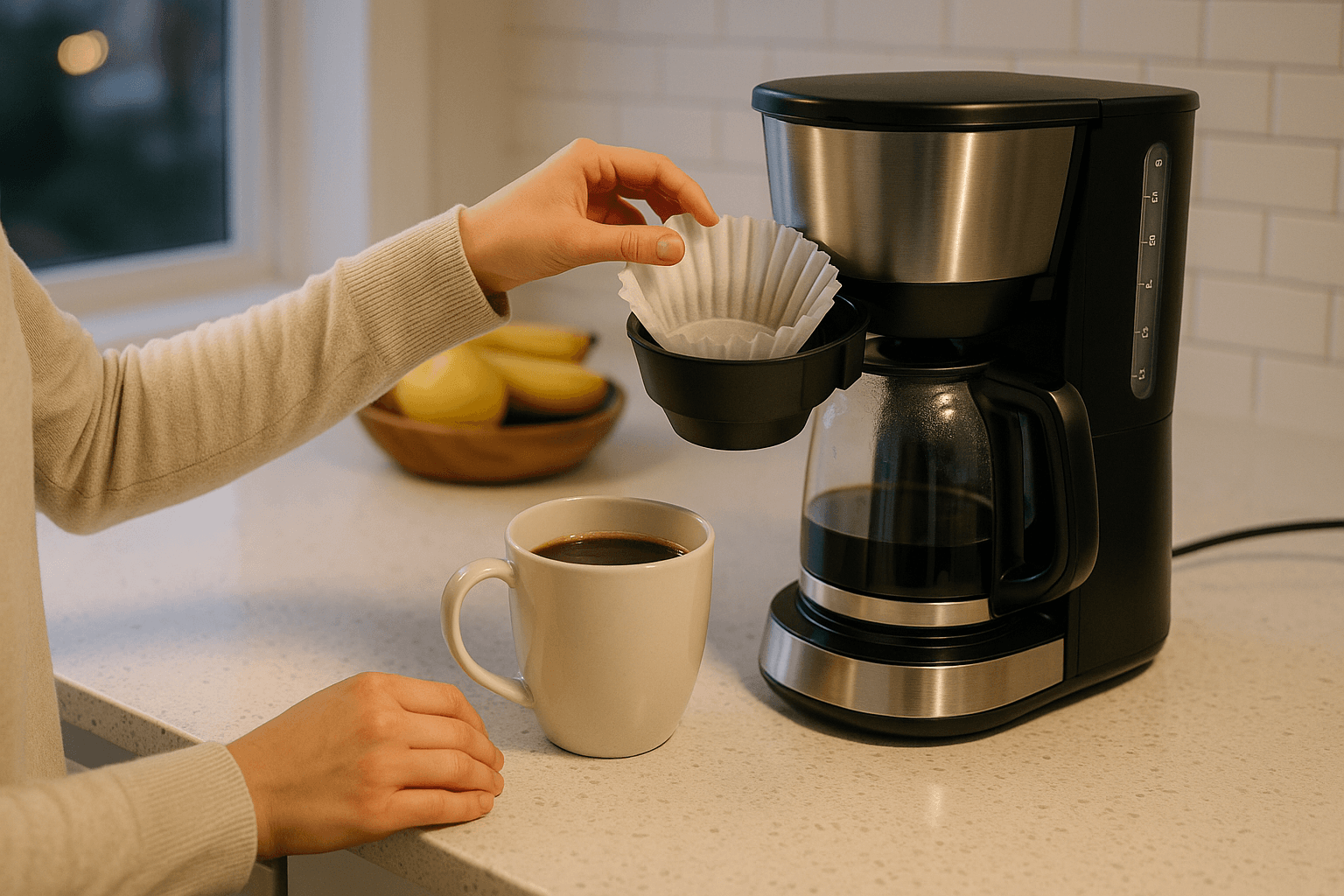
You'll glide through your morning with fewer last-minute stressors and smoother transitions. This will free up headspace to focus on high-value activities first thing.
7. Set Up a Simple Morning Priority List
Write down the top three tasks you want to accomplish before lunch, keeping choices small and specific. Place the list where you can see it while you work and treat it as your north star for the morning.

You'll gain clarity about where to direct your energy instead of reacting to emails or notifications. This will increase the chance you complete meaningful work before the day fragments.
8. Start with a Quick Deep Work Block
Block out 60 to 90 minutes of uninterrupted time in the morning for your most important task, turning off notifications and closing unrelated tabs. Use a timer and commit to a single focus to make significant progress while your mind is freshest.

You'll accomplish high-value work faster and with less distraction in the early hours. This will build momentum and reduce anxiety about looming deadlines.
9. Use Natural Light to Reset Your Circadian Rhythm
Open curtains or step outside for a few minutes shortly after waking to expose yourself to natural light, which helps regulate sleep hormones. If natural light is limited, consider a light therapy lamp for consistent mornings.

You'll experience improved alertness and a clearer sense of time as your body cues to daytime activity. This will enhance energy and focus during your critical morning window.
10. Drink a Mindful Cup of Coffee or Tea
Turn your caffeine routine into a small mindfulness practice: prepare your drink with intention, sip slowly, and use those few minutes to breathe and plan. Avoid mindless scrolling while you drink to preserve calm and clarity.

You'll enjoy a more grounded, intentional start to your day instead of reactive energy spikes. This will make caffeine feel more helpful and less like a crutch for stress.
11. Write a Short Gratitude or Intentions List
Spend three to five minutes jotting down two things you're grateful for and one intention for the day to orient your mindset toward possibility. Keep it short and consistent so it becomes an easy habit, not a chore.

You'll notice a gentler, more positive outlook that improves resilience to small setbacks. This will support sustained motivation and a kinder internal dialogue throughout the morning.
12. Practice a Two-Minute Breathing Exercise
Use a simple breathing pattern like 4-4-6 for a couple of minutes to calm the nervous system and sharpen focus before diving into tasks. Set a gentle timer and focus on the breath to anchor attention and reduce early-day stress.

You'll feel more present and less reactive when you begin work, which improves decision-making. This will make it easier to sustain concentration during your first work block.
13. Batch Small Tasks into a Single Slot
Group quick routine tasks such as checking emails, reviewing messages, and returning voice notes into one short morning slot instead of spreading them out. Time-box this batch to 20-30 minutes so it doesn't consume your prime focus time.

You'll avoid constant context switching and stop letting small tasks derail deeper work. This will create predictable space for focused progress on priority projects.
14. Limit Phone Use for the First Hour
Keep your phone out of reach or in Do Not Disturb mode for the first 60 minutes to prevent social media and news from hijacking your morning. Replace scrolling with a purposeful activity like planning, exercising, or reading something uplifting.

You'll preserve your mental energy and reduce reactive responses to notifications. This will enable a calmer, more intentional start to each day.
15. Plan a Protein-Rich Breakfast for Steady Energy
Choose a quick, protein-focused breakfast like Greek yogurt with nuts, eggs and toast, or a smoothie with protein powder to prevent mid-morning crashes. Prepare elements the night before if mornings are rushed so you can eat without thinking too much.

You'll sustain focus and reduce hunger-driven distractions during your morning work window. This will help you maintain productivity until your planned break or lunch.
16. Create a Short Morning Reading Habit
Spend 10 to 20 minutes reading a book or short article that informs or inspires your goals, avoiding headlines and social feeds. Keep a physical book or curated reading list handy so you can flip to something meaningful quickly.

You'll start your day with fresh ideas and targeted learning rather than reactive content. This will seed creativity and momentum for problem-solving later on.
17. Set Up a Visual Daily Schedule
Sketch a simple timeline for your morning with blocks for priority work, breaks, and transitions to keep your day structured. Use a whiteboard, planner, or a digital calendar that you glance at to stay accountable to your plan.

You'll reduce decision fatigue by following a clear roadmap instead of guessing what comes next. This will make it easier to protect high-priority time and avoid time leaks.
18. Prepare a Quick Movement Break Plan
Decide in advance when you'll stand, stretch, or walk for a few minutes between blocks of work to prevent stiffness and mental fatigue. Set a discreet timer or use natural transition points like task completion to remind yourself to move.

You'll stay physically comfortable and mentally refreshed without interrupting momentum. This will improve focus and reduce the temptation to take long, unfocused breaks.
19. Schedule Your Hardest Task for Peak Energy
Identify the one task that requires the most focus and do it during your personal peak, often mid-morning for many people. Protect that time by rescheduling meetings or notifications when possible so you have uninterrupted concentration.

You'll get more meaningful work done by aligning task difficulty with your energy levels. This will shorten the time needed for complex tasks and reduce stress later in the day.
20. Use a Two-Minute Rule to Overcome Procrastination
When a task feels bulky or scary, commit to doing it for just two minutes to break the inertia, chances are you'll continue once you start. This tiny-action approach turns large obstacles into manageable steps and gets momentum flowing.

You'll move past avoidance and often discover the task was easier to begin than anticipated. This will increase your tendency to start important work instead of delaying it.
21. Create a Mini Morning Ritual You Enjoy
Design a short sequence of actions, lighting a candle, brewing coffee, playing a favorite song, that signals the shift into productive mode and feels pleasurable. Keep it small so you look forward to it and it reliably cues your brain into work mode.

You'll develop a consistent mental trigger that helps you transition into focus more quickly. This will make daily productivity feel sustainable and even enjoyable.
22. Pack Essentials the Night Before
Place items you'll need for the morning, keys, wallet, workout gear, or lunch, by the door before going to bed to avoid frantic searches. Include a quick checklist on your phone or a sticky note if you have a lot to remember.

You'll reduce morning friction and lower stress from last-minute scrambling. This will give you extra calm minutes to invest in productive activities instead of logistics.
23. Review Top Weekly Goals Each Morning
Spend a minute scanning your weekly priorities to align daily actions with longer-term goals and prevent getting lost in small tasks. Keep your goals visible and concise so the connection is clear and motivating.
You'll stay focused on what truly moves you forward instead of reacting to urgent but low-value work. This will help you make steady progress toward bigger objectives.
24. Limit Decision-Making with Simple Morning Defaults
Create defaults for common morning choices, like a rotation of outfits or a set breakfast plan, to save mental bandwidth for creative work. Write down your defaults so you can follow them automatically on busy days.

You'll conserve willpower for tasks that require thoughtful input and avoid wasting time on trivial choices. This will increase your capacity to tackle complex problems later in the day.
25. Celebrate a Small Win Before Moving On
Take a moment to acknowledge one accomplishment each morning, even if it's just checking off a small task from your list. Use that brief pause to notice progress and reinforce the habit loop of starting and finishing useful work.

You'll build positive momentum that makes it easier to tackle the next item with confidence and clarity. This will turn tiny victories into lasting productivity habits over time.
This article was produced by Prism’s automated news system from verified source data, official records, and press releases, then run through automated quality and moderation checks before publishing. The system is built and supervised by the people who set the standards it runs under. Read our full AI policy.
Did this article answer your question?