27 Holiday Marketing Steps with Timelines, Segmentation, Email, Ads, Examples
A tactical, start-to-finish holiday marketing playbook: 27 clear steps that map timelines, channels, assets, automation, and post-holiday follow-up so you actually convert seasonal interest into repeat customers.
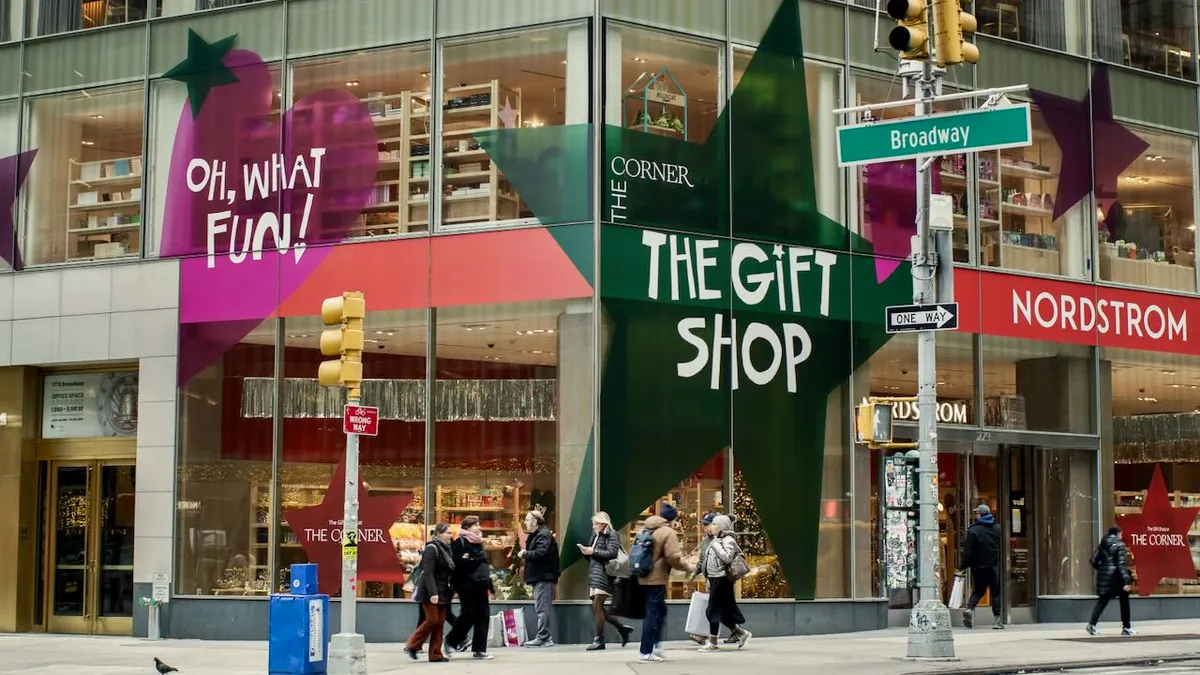
HubSpot’s comprehensive holiday-marketing resource is a tactical playbook for retailers, publishers and ecommerce teams building seasonal gift guides. Read it as a checklist and a workflow: from timeline to segmentation, assets to automation, here are 27 steps you can act on now.
1. Start with a business-first brief
Decide what the holiday season must deliver for your business: net-new customers, increased AOV, inventory clearance, or loyalty growth. That clarity directs every subsequent decision—from discounts to creative.
2. Define your timeline (don’t cut corners)
“In my experience, this means giving yourself at least one month before the holiday or launch of your campaign to plan and build. However, if it’s large-scale or high-profile, like a major product launch, this timeline should ideally extend to at least three months.” Give yourself runway to brief creative, test emails, and set up automation.
3. Choose measurable goals and KPIs
Pick concrete metrics—revenue, conversion rate, AOV, email CTR—and map them to channels so your weekly check-ins mean something. If you can’t measure it, you can’t optimize it.
4. Study and segment your audience
“Study your target audience’s preferences and behavior. Analyze data from previous campaigns to come up with a holiday email marketing strategy.” Use past purchase history to form segments (gift shoppers, repeat buyers, lapsed customers) and tailor offers accordingly.
5. Use the channels that drive the most impact
“Use the marketing channels with the most impact.” Prioritize where your audience already converts—email, paid search, Instagram, Pinterest—then layer on secondary channels rather than betting everything on one platform.
6. Create your follow-up plan (if relevant)
“6. Create your follow-up plan (if relevant).” Ask yourself: “What will happen to your leads once you‘ve generated them? Or, after someone makes a purchase, how will you keep the relationship alive?” Before launch design the qualification flows, retargeting cadence, and post-purchase nurture sequences.
7. Automate email sequences with Workflows where possible
“Consider looking into retargeting ads or email sequences (which can be automated with HubSpot Workflows) and how they’ll fit into your greater marketing goals.” Automation keeps timing tight—abandoned cart reminders, browse retargeting, and post-purchase thank-yous should run without manual babysitting.
8. Create your holiday marketing assets
“7. Create your holiday marketing assets.” “Depending on what you’ve outlined for your campaign, you may need to create graphics, videos, and blog articles, among other things. Now’s the time to get those rolling.” Plan static and motion assets for every channel.
9. Prioritize shoppable, inspirational email content
“2. Provide gift suggestions.” Prepare email campaigns with gift ideas, a clear CTA like “Buy Now,” and shoppable links that send customers to product pages or bundles—personalize suggestions based on previous purchases.
10. Build dedicated landing pages and banners
“Make your website festive and promote your holiday deals and events with a banner. Share a special holiday FAQ with all things related to holiday shopping, shipping, and offers.” Create landing pages for priority offers and include a subscription form to grow your list.
11. Optimize the mobile checkout experience
“Optimize for mobile shopping” is non-negotiable. Ensure responsive design, frictionless mobile checkout, and test email rendering on phones—many shoppers open emails on mobile first.
12. Make Instagram and social shoppable and editorial
To “tap the power of Instagram, share static images and Reels of your products… feature them in your bio links and shoppable posts.” Use gift guides and bio links to drive traffic directly to landing pages.
13. Mix organic social with paid support and hashtags
“Create social media posts... Entice customers to participate by running social media contests and giveaways. And don’t forget to use hashtags and reels to broaden your reach.” Use organic posts to build warmth and paid to scale high-intent creatives.
14. Run an advent calendar or “12 Days” activation
“Create a holiday advent calendar” or run a “12 Days of Christmas” giveaway to drive daily engagement and habitual site visits—Fracture’s daily-prize model is a straightforward example to emulate.
15. Lean into influencers and recipe/content collaborations
Influencers amplify reach via product tutorials, live shopping events, and festive takeovers. Food brands, for example, can use recipe partnerships—the Lahbco and Pepperidge Farm collaboration shows how product + creator content works during seasonality.

16. Repost UGC and highlight community impact
“Reposting user-generated content (UGC) and influencer content of people using (and loving) your products” builds authenticity. Also “shine the spotlight on the nonprofit organizations your brand is partnering with this holiday season. Share photos/videos of your team volunteering and infographics about the organization’s impact.”
17. Invest in video and behind-the-scenes storytelling
“Turn to video marketing. Video can enhance your marketing strategy, particularly during the holidays. Consumers love behind-the-scenes videos relating to their favorite brands and businesses.” Use short Reels and longer-form tutorials where appropriate.
18. Plan paid ads and retargeting funnels
Layer retargeting ads for visitors who viewed gift guides or abandoned carts; funnel cold traffic to gift-list content and warm audiences to promotions. Make retargeting and email sequences work together, not in silos.
19. Determine your discount strategy early
“Determine the discounts you want to offer.” Decide between a single, meaningful discount, a series of short-term promotions, or unique discount codes—each influences margin, urgency, and customer behavior differently.
20. Offer bundles and personalized upsells
Use bundling and personalization to increase AOV—show how items pair together, offer a bundle discount, and recommend gifts based on purchase history.
21. Launch limited-edition holiday products
“Create buzz and urgency by offering limited-edition holiday products or services.” Seasonal SKUs create FOMO and press-friendly moments when tied to genuine design or flavor differences.
22. Boost loyalty with holiday-specific perks
“8. Holiday loyalty program boost” — Offer double or triple points during windows, or create a “Holiday Bonus” tier with exclusive perks to encourage repeat buying and turn seasonal shoppers into year-round customers.
23. Test niche social channels for discovery
“Tap into niche social media channels.” Don’t ignore Pinterest, Reddit, or Quora—Pinterest users often plan and purchase, making it a solid holiday acquisition channel when paired with shoppable pins.
24. Make legal-safe contests and measure acquisition cost
If you run giveaways, document rules and local sweepstakes requirements. Track cost-per-acquisition for each activation so you know whether UGC contests or paid placements are profitable.
25. Avoid the single-channel trap
“3 holiday marketing pitfalls to avoid” includes “1. Using only one holiday marketing channel.” Spread risk across email, social, site, and paid ads so an algorithm change or inbox drop doesn’t halt performance.
26. Plan post-holiday follow-up and retention
“Plan for post-holiday marketing campaigns... Send follow-up emails after the holidays. Run post-holiday offers and promote them across your marketing channels. Your goal? Turn holiday shoppers into loyal customers.” Convert one-time buyers with relevant cross-sell, reactivation, and loyalty nudges.
27. Use tools and templates to scale (and a starter brief)
Use automation tools for sequences—HubSpot Workflows is explicitly handy for email sequences and retargeting automation. If you want a starter brief, the “Free Marketing Plan Template” helps: “Outline your company's marketing strategy in one simple, coherent plan.” The signup UX even reminds you “All fields are required.” and confirms “You're all set! Click this link to access this resource at any time.”
Examples to borrow from Starbucks’ red cups remain a simple, repeatable example of seasonal branding that sparks conversation. Fracture’s “12 Days” giveaway model is a practical template for daily engagement. And for cross-category creative, consider recipe collaborations like Lahbco and Pepperidge Farm to put product in context.
Final word: holiday marketing is less about tricks and more about disciplined execution—clear timelines, segmented messaging, the right assets for each channel, and a plan to keep buyers after the lights come down. Do the work now, automate what you can, and prioritize turning seasonality into lifelong customers.
Know something we missed? Have a correction or additional information?
Submit a Tip