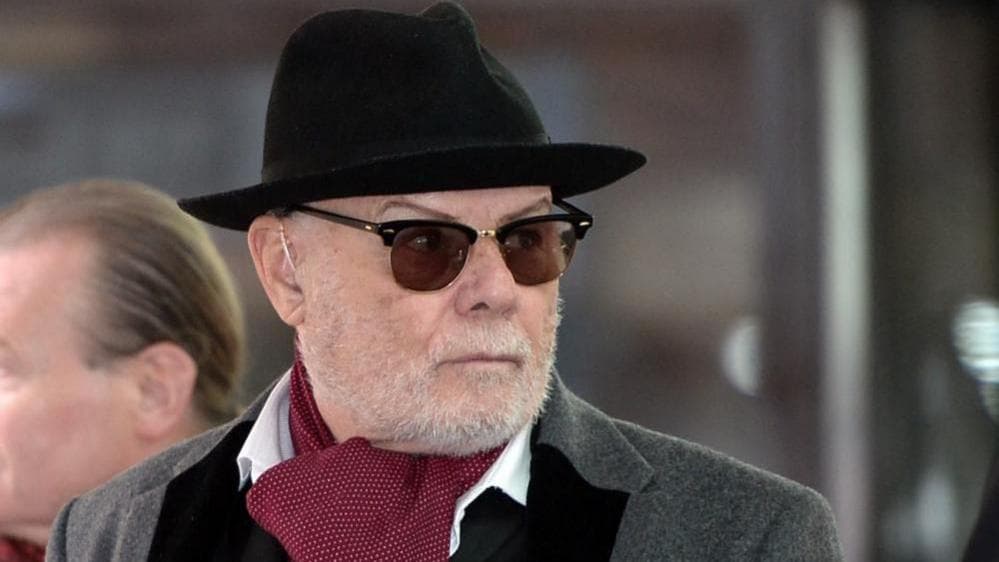
48 Hours investigates true crime cases, airs Saturdays on CBS
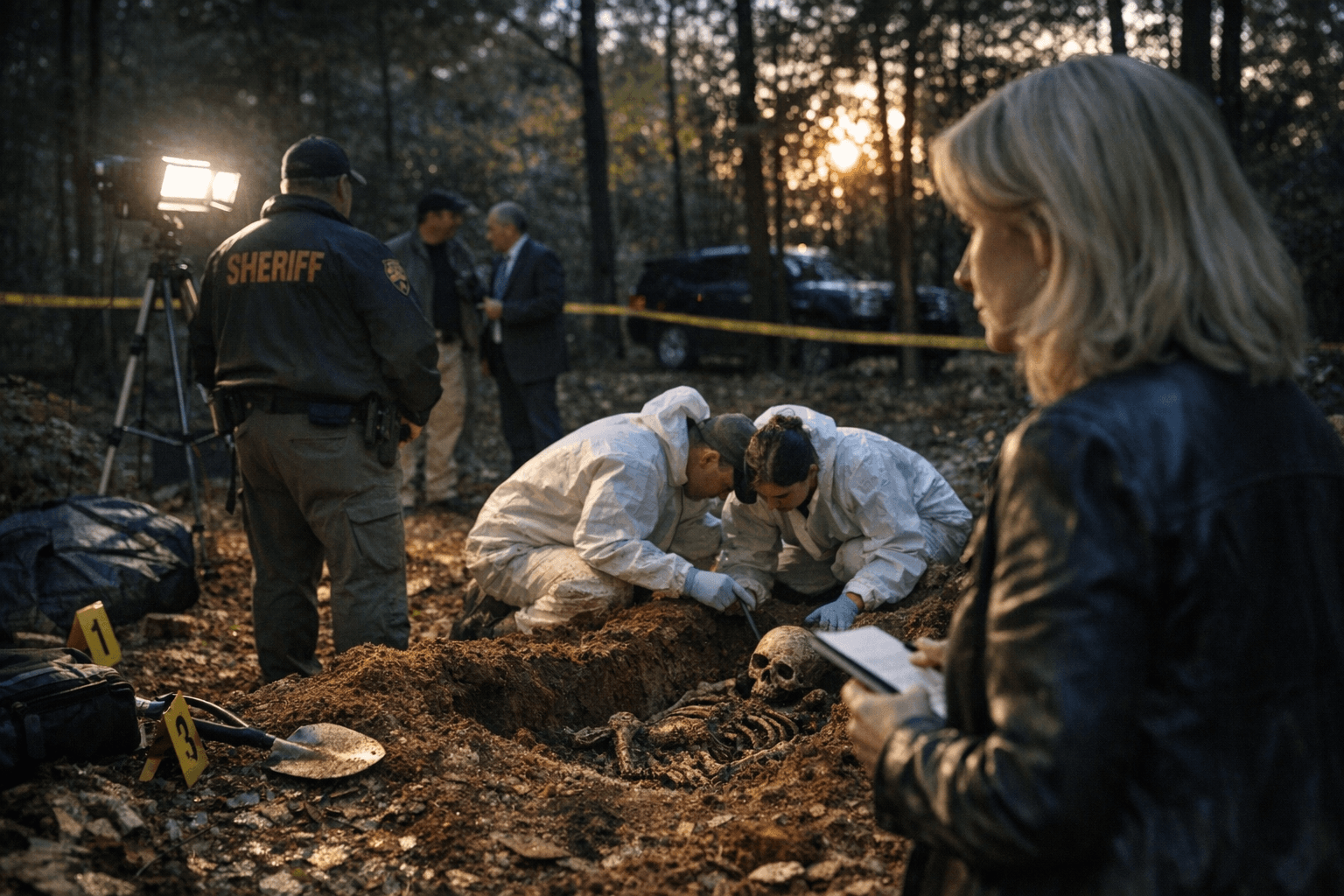
A new "48 Hours" episode, "Kimberly Langwell's Hidden Grave," aired April 11, 2026, revisiting a July 1999 disappearance after remains were found decades later.

A CBS "48 Hours" episode titled "Kimberly Langwell's Hidden Grave" revisited a Beaumont, Texas disappearance from July 1999 and aired Saturday, April 11, 2026 at 10/9c, part of a schedule CBS updated on April 11, 2026 at 11:19 PM EDT. The episode follows the long arc of the investigation, public reporting and a later arrest after remains were located more than two decades after Kimberly Langwell vanished. CBS distributes the series in broadcast prime time and across platforms, including Paramount+, the CBS News FAST channel, Pluto TV, the CBS News app and YouTube.
The program’s structure and staffing underscore how a legacy newsmagazine persistently specializes in criminal-investigative work. "48 Hours" premiered January 19, 1988 and entered its 38th season when CBS listed a season premiere on September 27, 2025. Judy Tygard is listed as executive producer, and correspondents who regularly lead single-case episodes include Erin Moriarty, Peter Van Sant, Natalie Morales, Anne‑Marie Green and Tracy Smith. The series’ institutional credibility is reflected in decades of awards, including multiple Emmy Awards, two Peabody Awards and other journalism honors.
Measured audience scale helps explain the program’s commercial staying power. The show's historic peak came on January 26, 1992, when "Get Rich Quick" attracted about 24.82 million viewers. More contemporarily, Season 35 averaged roughly 2.55 million viewers with a 0.22 rating in the 18–49 demo, figures that keep a Saturday 10/9c CBS slot monetizable relative to other weekend programming. By packaging episodes for Paramount+ and FAST platforms, the program also taps streaming distribution that can extend reach and library value beyond linear Nielsen windows.
That distribution model has tangible criminal-justice outcomes. Erin Moriarty’s multi-part reporting helped bring renewed attention to the Lamar Johnson case; Johnson spent nearly three decades in prison and, after coverage and legal review, declared, "I am a freed man, an exonerated man and a blessed man" upon release in February 2023. In another example tied to the series, the 1994 West Springfield, Virginia murder of Robin Lawrence led to a guilty plea by Stephan Smerk and a March 7, 2025 sentencing to largely active time totaling 70 years after renewed scrutiny and prosecution.
At the same time, academic research cautions about costs that accompany true-crime prominence. Work by Kelli Boling at the University of Nebraska–Lincoln and commentary from media ethicists such as Whitney Phillips document benefits like reopened cases and exonerations alongside harms including retraumatization of families, sensationalism and amplified online harassment from armchair investigators. Those tradeoffs frame how producers, investigators and networks calibrate reporting practices and legal safeguards.
"48 Hours" endures because it pairs correspondent-led investigations with cross-platform distribution, a mix that sustained measurable audiences in the low millions and occasional breakout episodes across nearly four decades. Its Saturday 10/9c slot, streaming availability and documented case impacts position the program as a model for how legacy TV newsmagazines survive in a streaming-era market by specializing in true crime.
This article was produced by Prism’s automated news system from verified source data, official records, and press releases, then run through automated quality and moderation checks before publishing. The system is built and supervised by the people who set the standards it runs under. Read our full AI policy.
Did this article answer your question?