528 publishes Rio Rancho voter guide covering ballot measures, polling, absentee rules
Rio Rancho voters received a practical voter guide from The 528 that lays out which offices and bond questions appear on the March 3 municipal ballot, where to vote and absentee rules.
1. Offices and bond questions on the ballot
The 528’s March 2, 2026 voter guide lists the specific offices and bond questions that appear on the Rio Rancho municipal ballot for the March 3 election. The guide presents each item in plain language so readers can quickly see whether an item affects city services, capital projects or the municipal budget. By grouping office contests separately from bond measures, the guide helps voters prioritize which items require more research or will have direct impact on their neighborhood. The publication frames the ballot as the municipal-level decisions Rio Rancho voters can influence in this election.
2. Where to vote (polling locations)
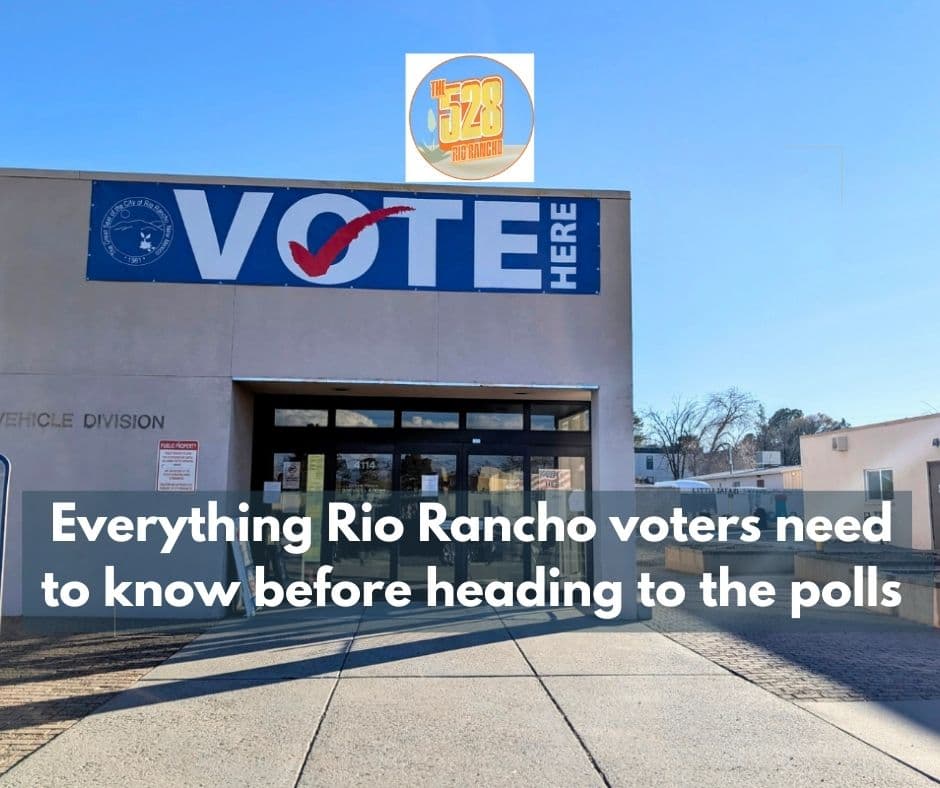
The guide identifies where Rio Rancho residents can cast a ballot on Election Day, mapping polling locations across the city and making clear which precincts serve different neighborhoods. It was designed to help readers find their assigned polling place within Sandoval County so they don’t travel to the wrong site on March 3. The 528 emphasizes accessibility features and neighborhood anchors—schools, community centers and fire stations commonly used as polling sites—so voters can recognize local landmarks when they go to vote. For last-minute voters, the guide consolidates the location information in one place to cut the time it takes to confirm a polling address.
3. Absentee ballot rules
The 528 summarizes the absentee-ballot rules that apply to Rio Rancho voters ahead of the municipal election, explaining eligibility categories, the mechanics of requesting a ballot and the return options voters should expect. While the guide does not replace official county deadlines or forms, it gives practical steps voters can follow: how to submit a request, what to expect in the mail, and key compliance points that frequently cause ballots to be rejected. The coverage flags procedural pitfalls—such as signatures and envelope requirements—that can invalidate absentee ballots if not completed correctly, so voters using absentee options can avoid common errors. The guide positions absentee voting as an alternative to in-person turnout while stressing the need to plan ahead given municipal-election timing.
4. How the guide is organized for quick use
The 528 arranged the material so readers can move from high-level to detail in three quick moves: a concise ballot summary, neighborhood polling-location lookup, and an absentee checklist. Each section is formatted for rapid scanning: short item descriptions for ballot measures; clear precinct-to-location mapping for voting sites; and step-by-step absentee instructions. This layout is intended to reduce confusion for voters who decide close to Election Day and to provide election officials’ key procedural points in a readable format.
5. Why this matters for Rio Rancho voters and civic accountability
Published the day before the March 3 municipal election, the guide provides last-minute clarity on city-level choices that shape public safety, infrastructure and local services in Rio Rancho. Municipal ballots often contain bond questions and council races that have direct budgetary consequences; readable explanations help voters weigh trade-offs rather than skip down-ballot items. By centralizing ballot content, polling information and absentee rules, the guide supports informed participation and helps reduce spoiled or miscast ballots—an outcome that has measurable impact on small-city elections where turnout margins are tight.

- Tip: If you plan to vote absentee, follow the guide’s checklist and allow extra time to request and return your ballot.
- Tip: Use the polling-location mapping in the guide to confirm your exact precinct—small shifts in boundaries can change where you must vote.
- Tip: Treat bond questions as budget decisions: look for the guide’s plain-language summary to see whether proceeds fund capital projects or operating expenses.
6. How to use this guide on Election Day
Treat the 528 guide as a single-reference tool: review the ballot-item summaries the evening before, verify your polling location if you intend to vote in person, or follow the absentee checklist if you mailed or are returning a ballot. Because the guide compiles municipal-level information specific to Rio Rancho and Sandoval County, it reduces the need to navigate multiple agency pages under time pressure. The publication’s timing—issued March 2 for a March 3 election—aims to close the information gap for late deciders and first-time local voters.
7. Where this fits in the local information ecosystem
The 528 (RioRancho.news / Sandoval Signpost) is filling a practical role for Rio Rancho readers by aggregating municipal-ballot content, precinct information and absentee procedures in one accessible package. That concentrated reporting matters in a city where small turnout swings can determine outcomes for council races and bond approvals. Local media compilation of this material complements official county resources by translating technical ballot language into clear voter-facing explanations.
Final point The 528’s voter guide gives Rio Rancho residents a compact, practical resource on what’s on the ballot, where to cast a ballot and how absentee voting works—equipping neighborhoods across Sandoval County to make informed choices in the March 3 municipal election.
Sources:
Know something we missed? Have a correction or additional information?
Submit a Tip