60 Minutes Documents Reveal Near Misses Before Fatal D.C. Midair Collision
Two planes narrowly avoided Army helicopters the day before the Potomac crash that killed 67, while the FAA sat on 15,000 unanalyzed close-call records.
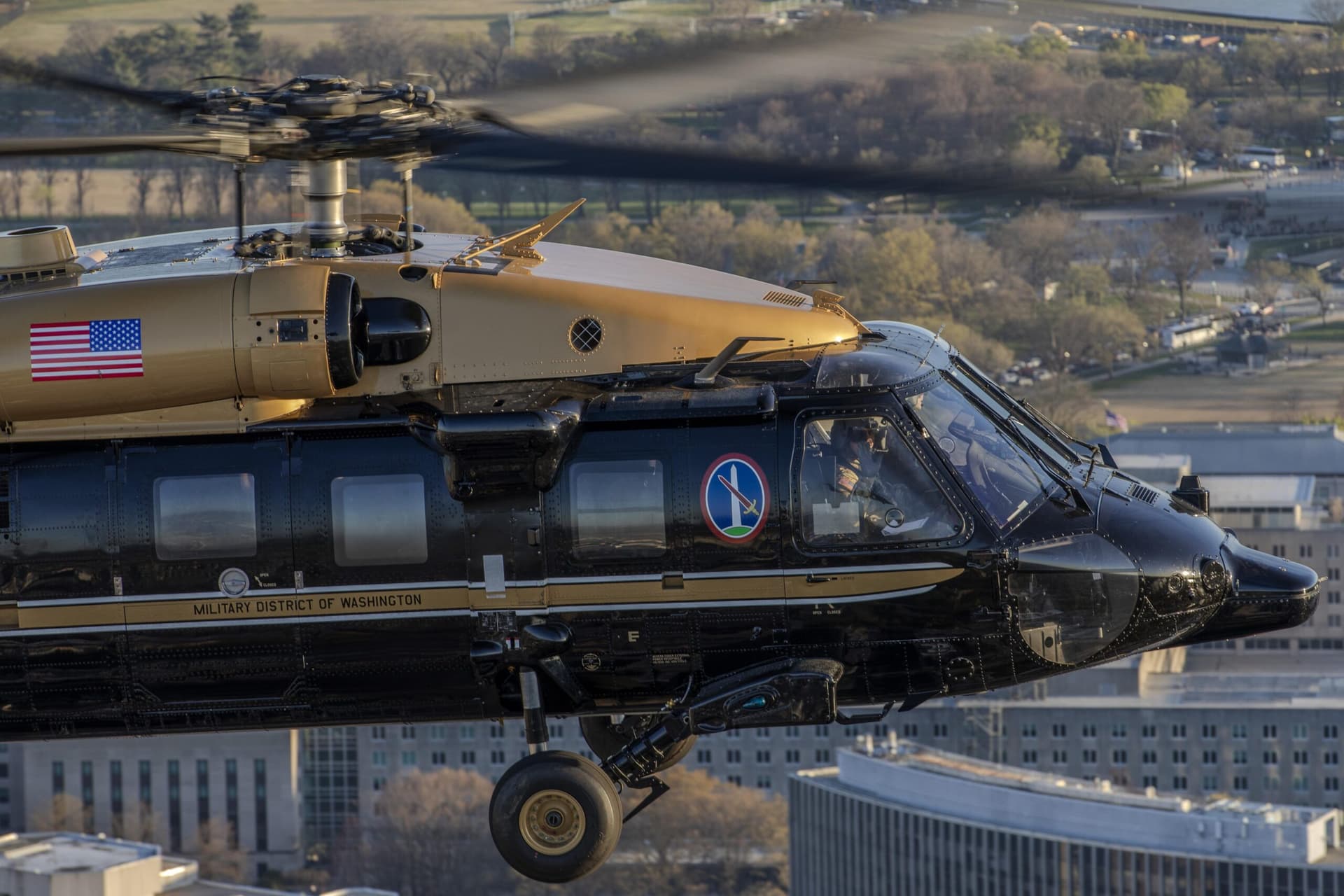
The day before a U.S. Army Black Hawk helicopter collided with an American Airlines regional jet over the Potomac River, killing 67 people, two separate passenger jets were forced to take sudden evasive action to avoid their own crashes with Army helicopters in the same congested airspace. Documents obtained by 60 Minutes revealed that pattern of near misses, placing the January 29, 2025 disaster in a different light: not an isolated accident, but the culmination of warning signs that went unheeded.
The fatal collision occurred when the Black Hawk struck the American Airlines regional jet as it was landing at Ronald Reagan Washington National Airport. The Black Hawk pilot had reported having the passenger plane "in sight" before the two aircraft collided over the Potomac. All 67 people aboard were killed.
The documents showed those deaths came one day after two separate passenger jets had already been forced into sudden maneuvers to avoid Army helicopters in the same corridor. That sequence becomes more damning in the context of what the National Transportation Safety Board found afterward: the FAA had been sitting on raw data documenting more than 15,000 close calls at Reagan National between October 2021 and December 2024. That information was never analyzed until after the crash. Parts of the Black Hawk were pulled from the Potomac on February 6, 2025, as investigators began reconstructing how three years of accumulated safety signals had been left unexamined.
After the crash, the FAA turned to artificial intelligence tools to scan airports across the country where helicopters and airplanes regularly share airspace, identifying problem patterns and developing fixes. Transportation Secretary Sean Duffy described the effort in a news release: "Using innovative data analysis, the safety team at the FAA has identified the need for enhanced protocols at all airports across the National Airspace System."
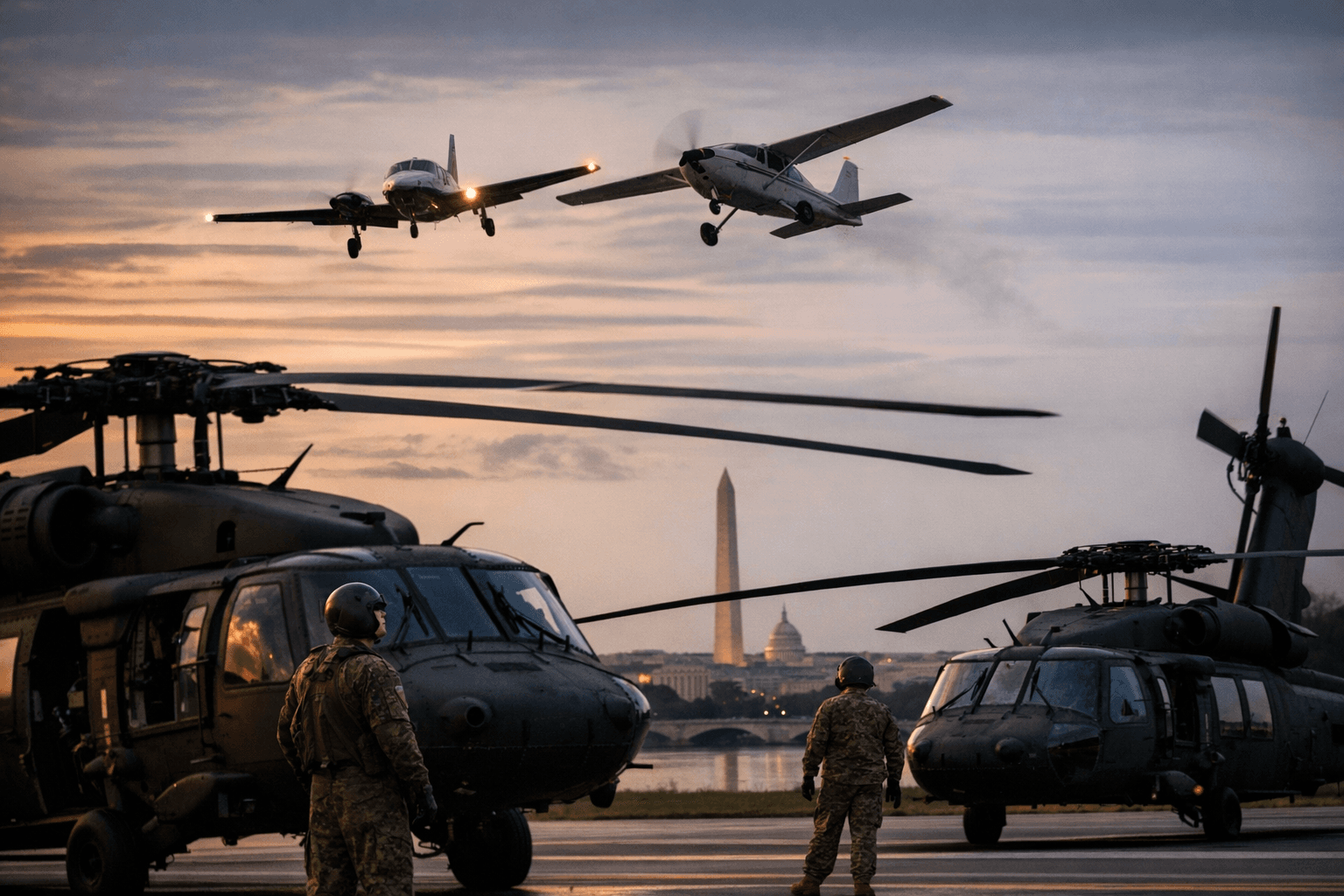
The FAA also cited specific examples of the close calls its AI analysis flagged. On February 27, American Airlines flight 1657, an Airbus A320 flying from Charlotte to San Antonio, was on final approach when a police helicopter entered its flight path. The helicopter turned to avoid the aircraft before contact occurred, but the proximity was close enough to warrant inclusion in the FAA's public announcement of recurring airspace risks.
More than 15,000 incidents at a single airport over three years represent a systematic failure of oversight, not a gap in data. Whether the two near misses on January 28, 2025 were themselves logged in that dataset, or constituted a separate last-minute warning that also went unaddressed, sits at the center of what investigators and congressional oversight committees examining FAA conduct before the crash will need to resolve.
This article was produced by Prism’s automated news system from verified source data, official records, and press releases, then run through automated quality and moderation checks before publishing. The system is built and supervised by the people who set the standards it runs under. Read our full AI policy.
Did this article answer your question?