7 Easy Ways to Turn Fading Valentine’s Petals into Budget Treasures
Turn wilted Valentine’s blooms into thoughtful, budget-friendly keepsakes using simple, specific DIYs—six practical repurposes from Well Live Florist, plus a way to choose which to try first.
Begin with the small but decisive truth Shay Trotter offered on February 18, 2026: “Whether you received (or gifted yourself!) a beautiful bouquet for Valentine’s Day, a birthday or just because, you can extend the joy when the petals start to fade!” That impulse—to extend joy rather than toss the stems—frames every one of these seven practical ideas. Six of the techniques below come with step-by-step specifics pulled from Lim Siang Tuan’s June 2, 2025 guide for Well Live Florist, and the final section helps you choose which project best fits your time, budget and intent.
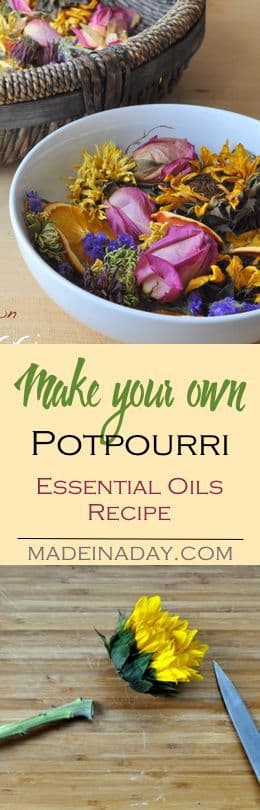
Potpourri: scent a small room with lingering romance “Dry petals in a dehydrator or air-dry them for 2–3 days. Mix with cinnamon sticks, cloves, and a few drops of essential oil. Display in decorative bowls to naturally scent your home.” That instruction from Lim Siang Tuan (Well Live Florist, June 2, 2025) gives you a reliable, low-cost route to a gift that reads as indulgent. Who it’s for: the friend who loves cozy evenings, a partner who appreciates subtle home fragrances, or anyone who prefers practical luxury. Cost: near-free if you already have spices and essential oil; otherwise a small outlay for a jar and oil. Why it’s worth giving: a carefully composed potpourri turns a fleeting bouquet into a long-lived sensorial memory—presented in a vintage bowl it feels like a boutique find.
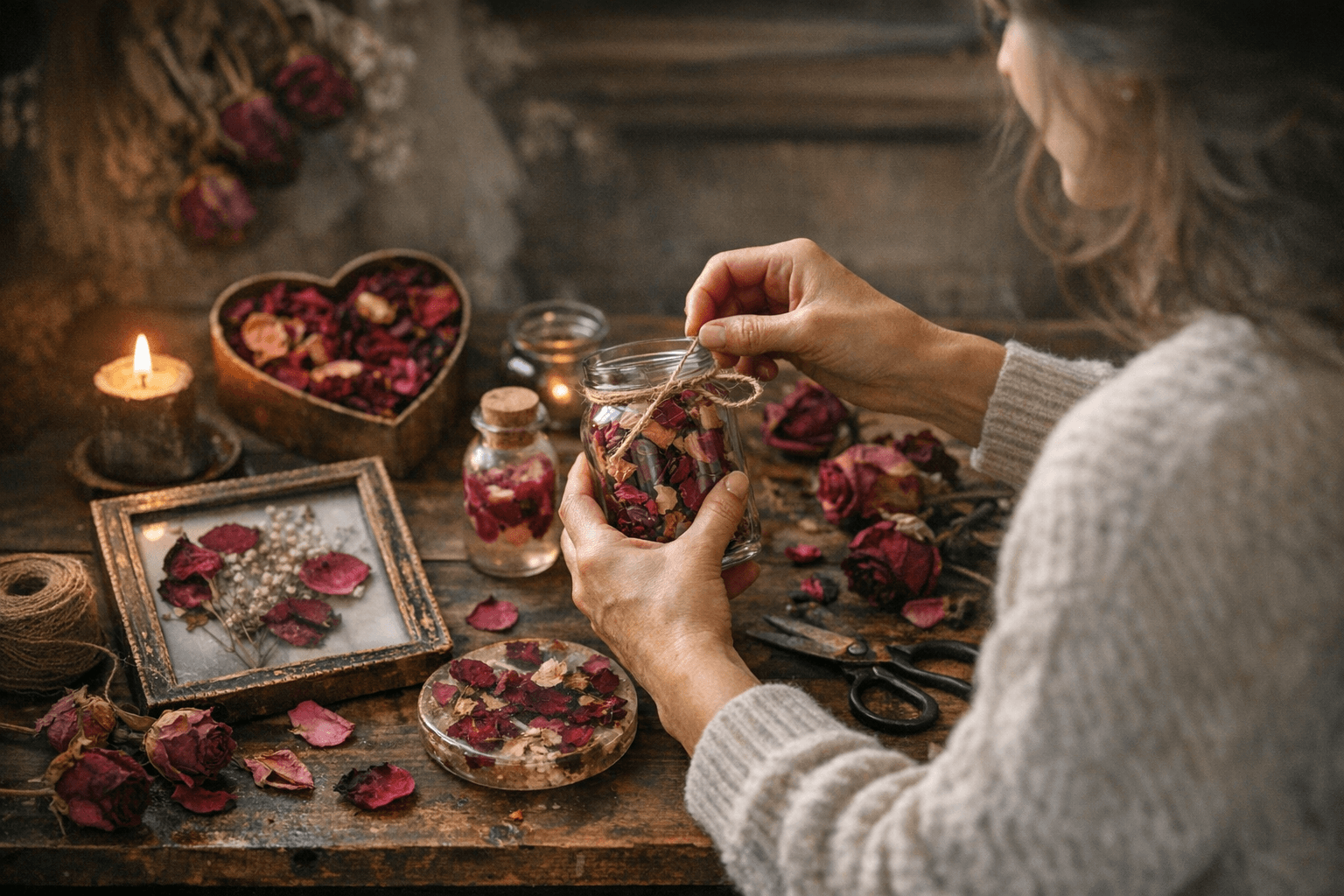
Pressed flower art: the sentimental, frame-worthy keepsake Follow the exact, simple method Lim Siang Tuan recommends: “Place blooms between parchment paper inside a heavy book. After 1–2 weeks, frame them for minimalist wall art or handmade greeting cards.” This is the archetypal do-it-yourself heirloom: inexpensive, slow, and deeply personal. Who it’s for: the partner who keeps ticket stubs and Polaroids, a mother who treasures small mementos, or newlyweds who want to memorialize a wedding bouquet. Cost: essentially free if you use household items (book, parchment); add $10–$40 if you buy a tasteful frame. Why it’s worth giving: pressings read as thoughtful and bespoke—their quietness amplifies intimacy in a way no store-bought print can.
Floral bath soaks: turn petals into a spa‑grade ritual “Steep petals in Epsom salts overnight. Add to warm baths for a luxurious, skin-softening soak (ideal for roses or lavender),” Lim Siang Tuan writes. This is fast to prepare and slow to be enjoyed. Who it’s for: anyone in need of self-care—new parents, exhausted colleagues, or a partner who deserves a ritual. Cost: low—Epsom salts are inexpensive, and you already have the petals. Presentation tip: place the infused salts in a glass jar tied with ribbon and a handwritten note. Why it’s worth giving: a homemade bath soak speaks louder than a generic spa coupon; it’s tactile, scented, and feels curated.
Biodegradable confetti: elevate celebrations sustainably “Dry colorful petals and store in jars. Use for weddings, parties, or gift wrapping—eco-friendly and stunning!” reads the Well Live Florist entry. This is one of the most social, celebratory ways to reuse petals: it turns ephemeral beauty into a moment of joy that also disappears harmlessly. Who it’s for: couples planning a ceremony, hosts of intimate dinner parties, or anyone who wraps gifts with theatrical flourish. Cost: free-to-low—save jars and dry petals on a paper towel or rack. Why it’s worth giving: it’s both responsible and romantic: biodegradable confetti is showy when released but guilt-free afterward.
Infuse oils or vinegars: a slow gift for cooks and creatives Take the exact guidance: “Submerge dried flowers (e.g., chamomile, rose) in olive oil or white vinegar for 3–4 weeks. Strain and use in cooking or skincare.” This method transforms petals into multipurpose infusions—floral vinegar for dressings, or infused oil for marinades and body rubs. Who it’s for: the dinner-party host, the home-cook who likes unusual pantry items, or the friend who crafts their own skincare. Cost: low—just a bottle of olive oil or vinegar and a jar to steep; the time investment is 3–4 weeks. Why it’s worth giving: a slow-infused jar feels considered and artisanal; wrapped in brown paper and a handwritten label it looks like a gift from a boutique providore.
Floral ice cubes: tiny luxuries for entertaining “Freeze small petals in ice trays. Perfect for elevating cocktails, lemonades, or punch bowls at gatherings,” advises Lim Siang Tuan. Floral ice cubes are a small visual detail with outsized effect. Who it’s for: the entertainer who loves a signature trick, the newly engaged couple hosting a shower, or the person who appreciates seasonal touches. Cost: negligible—ice trays and filtered water are standard household items. Why it’s worth giving: they deliver a moment of delight at the exact point guests are paying attention; for a Valentine’s aperitif, a single floral cube in a coupe is a memorable flourish.
Choose your seven: reconcile the headlines and pick what to try first You may notice the headlines don’t agree—the Shay Trotter piece from February 18, 2026 uses the phrase “7 Genius Ways,” while Lim Siang Tuan’s Well Live Florist guide (June 2, 2025) is titled “How to Repurpose Wilted Flowers: 15 Easy Sustainable DIYs.” Both statements are factually true to their sources, and the six Well Live Florist projects above are taken verbatim from its published steps. As Well Live Florist reminds us, “Wilted flowers don’t have to mean the end of their beauty! At Well Live Florist, we believe in sustainability and creativity.” Use that as your organizing principle: select projects based on time and intention.
- If you have 48 hours and love instant gratification, make potpourri (2–3 days drying) or freeze floral ice cubes—both read as immediate, consumable luxuries.
- If you’re gifting for sentiment and can wait, press flowers (1–2 weeks) or infuse oils/vinegars (3–4 weeks) produce keepsakes that feel curated.
- If you’re planning an event or favor, dry petals for confetti or jar them for decorative presentation.
Lim Siang Tuan’s concluding line is a useful rubric: “Wilted flowers aren’t an endpoint—they’re an opportunity to innovate.” That mindset turns modest materials into gifts with narrative: a story of thoughtfulness that costs very little but reads as bespoke.
Final note — why these small gestures matter now This collection favors economy without skimping on intention: each technique uses common household items (heavy books, jars, ice trays, Epsom salts, olive oil) and clear timing—2–3 days, 1–2 weeks, overnight, 3–4 weeks—so you can plan a project that fits a schedule and a relationship. As Well Live Florist puts it, “Transform fleeting beauty into lasting joy. 🌿✨” For Valentine’s Day, that transformation is the real luxury: a memory extended, a scent preserved, a ritual created. Choose a single, well-executed project and present it with thoughtful packaging—this is how a $0–$20 effort can feel like something worth treasuring.
Know something we missed? Have a correction or additional information?
Submit a Tip