8-Year-Old Royce Rings Bell, Cartwheels After Beating Leukemia in Fort Worth
Royce, 8, celebrated the end of leukemia treatment with a bell ring and cartwheel in Fort Worth; his joy reflects a national challenge as two-thirds of young survivors face serious long-term effects.
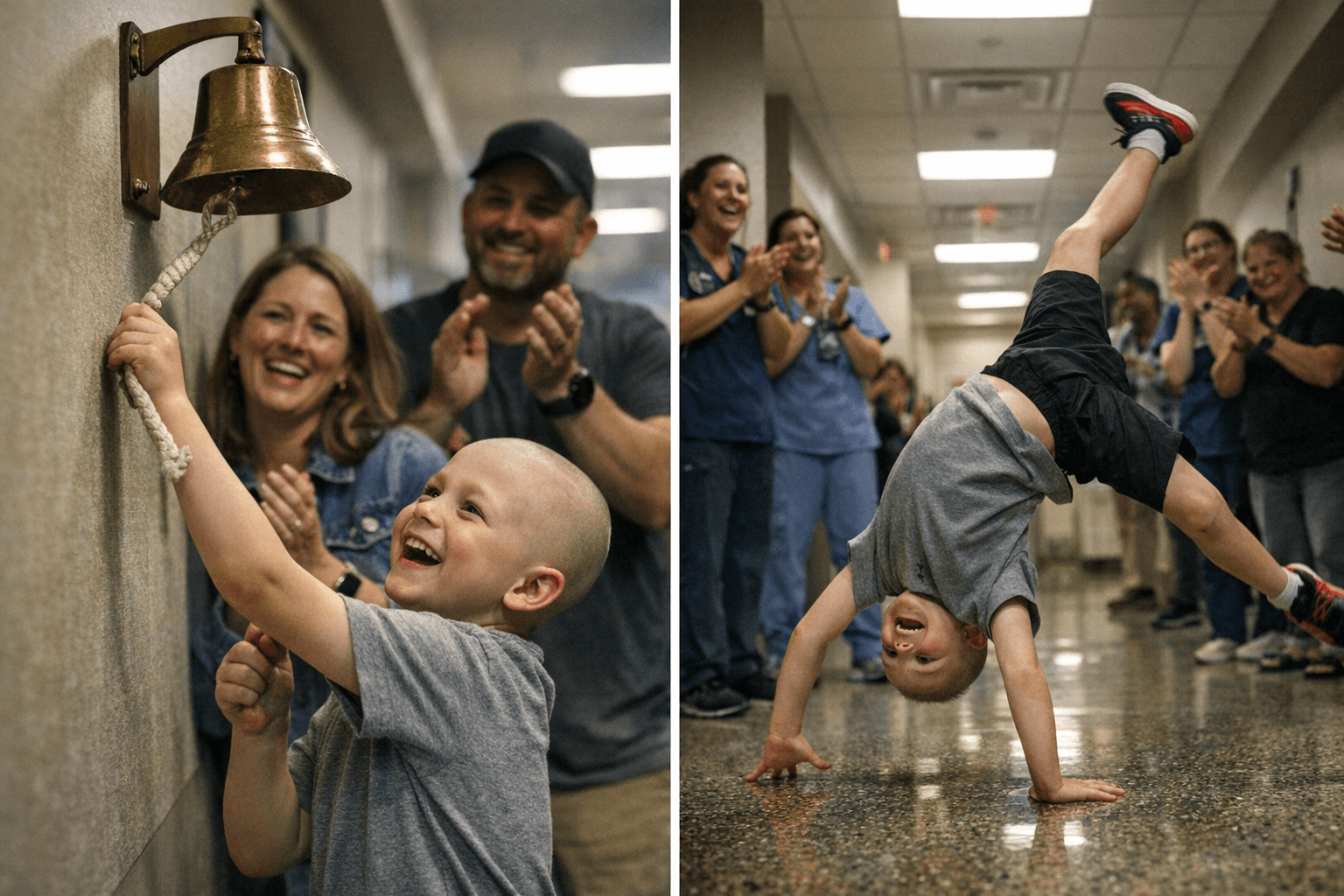
Royce crossed the finish line the way only an 8-year-old can: he rang the bell marking the end of his leukemia treatment at a children's hospital in Fort Worth, then threw a cartwheel across the floor. The celebration, shared on April 2, captured what pediatric oncologists call one of childhood medicine's greatest victories — and one of its most complicated unfinished chapters.
Acute lymphoblastic leukemia is the most common childhood malignancy worldwide, accounting for 20% to 30% of all childhood cancer incidence. Approximately 85% of patients aged 1 to 18 years with newly diagnosed ALL treated on current regimens are expected to be long-term event-free survivors, with more than 90% of patients alive at 5 years. Those numbers represent a stunning transformation from a generation ago, when a leukemia diagnosis in a child was often a death sentence. But survival, researchers and clinicians are increasingly clear, is only the beginning.
Late effects occur in two-thirds of pediatric cancer cases, making long-term follow-up of patients treated for leukemia necessary. Those late effects have been reported to include growth and developmental retardation, cardiac toxicity, endocrinological and renal problems, puberty disorders, infertility, osteoporosis and bone fractures, secondary neoplasms, and cognitive dysfunction, depending on the chemotherapeutic agents and radiotherapy used. For a child like Royce, the cartwheel is a triumph; the years that follow will require careful, sustained medical attention that not every family in America can access equally.
Overall net survival from childhood ALL in the United States is high, but disparities by race still exist, especially beyond the first year after diagnosis. Neighborhood socioeconomic status compounds those gaps: children with cancer residing in low-income neighborhoods face increased prevalence of comorbid conditions at diagnosis and delayed treatment initiation of more than one week. Socioeconomic-associated survival disparities persisted even among those who survived the first five years from cancer diagnosis, suggesting the inequity does not end when treatment does.
The financial damage to families runs alongside the medical toll. Cancer treatment often results in adverse financial consequences, a phenomenon researchers now call "financial toxicity." Pediatric patients and families can experience substantial financial impacts that differ from the experiences of adults with cancer, in part because a child's illness frequently forces a parent out of the workforce entirely during months or years of intensive treatment. Researchers have called for careful screening and measurement, as well as family-centered interventions and policies to reduce long-term consequences.
Clinical and public health strategies are needed to improve health care access and clinical trial enrollment, particularly for children from low-income and minority communities where access to specialized survivorship clinics remains uneven. With survival increasing, cancer control efforts must also focus on the long-term health of childhood ALL survivors, a population that will only grow as front-line treatment continues to improve.
For Royce, none of that complexity was visible in the moment he launched into his cartwheel. But the system that will need to catch him — and thousands of children like him — over the coming decades is still being built.
This article was produced by Prism’s automated news system from verified source data, official records, and press releases, then run through automated quality and moderation checks before publishing. The system is built and supervised by the people who set the standards it runs under. Read our full AI policy.
Did this article answer your question?

