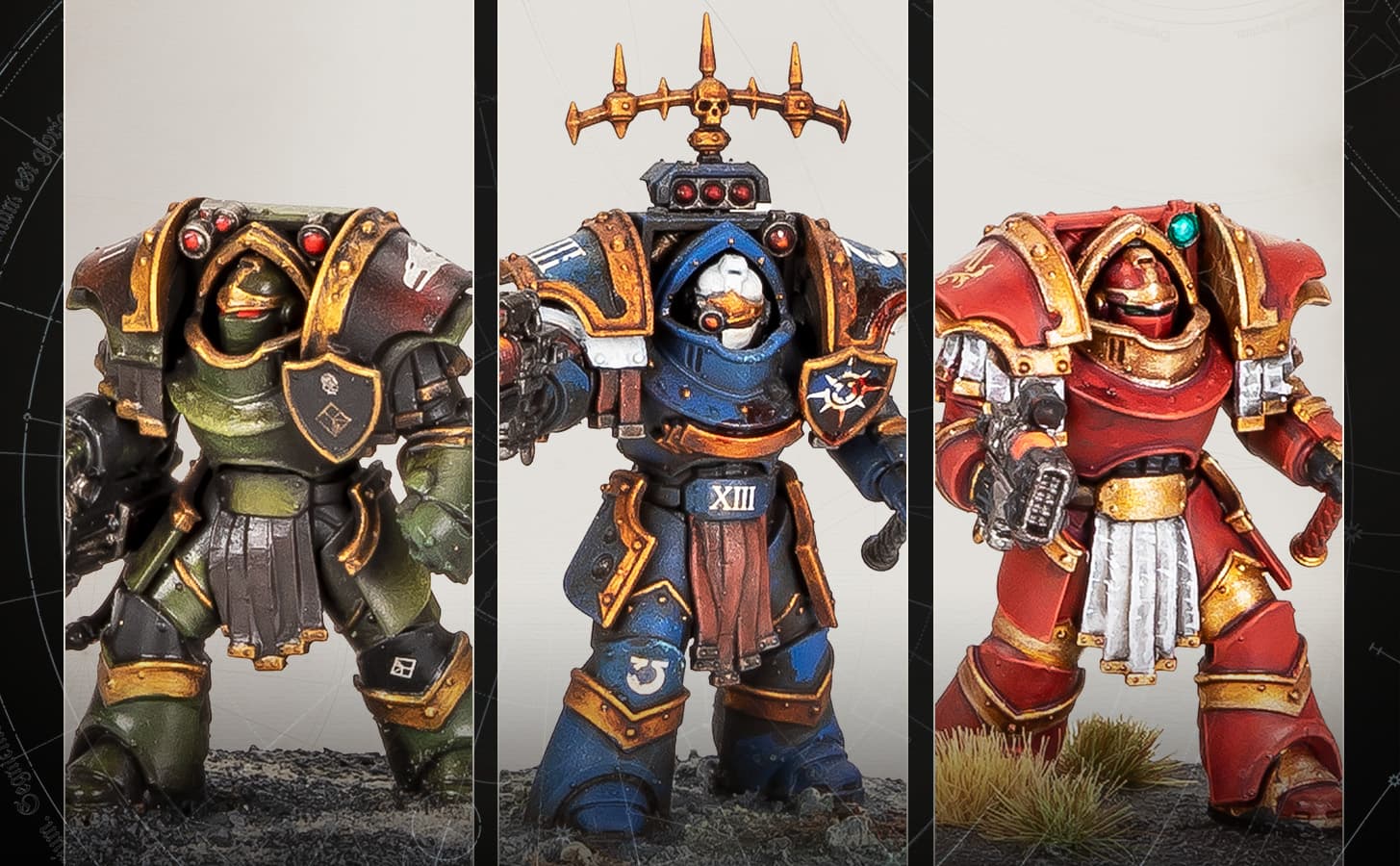
A Fast Reproducible Workflow to Paint Tabletop Ready Miniatures
I outline a concise painting workflow that turns assembled miniatures into tabletop ready models in a few hours each, with simple weathering techniques to add realism. This approach matters because it balances speed and durability, letting you field completed armies for events and pick up games without sacrificing satisfying finished looks.
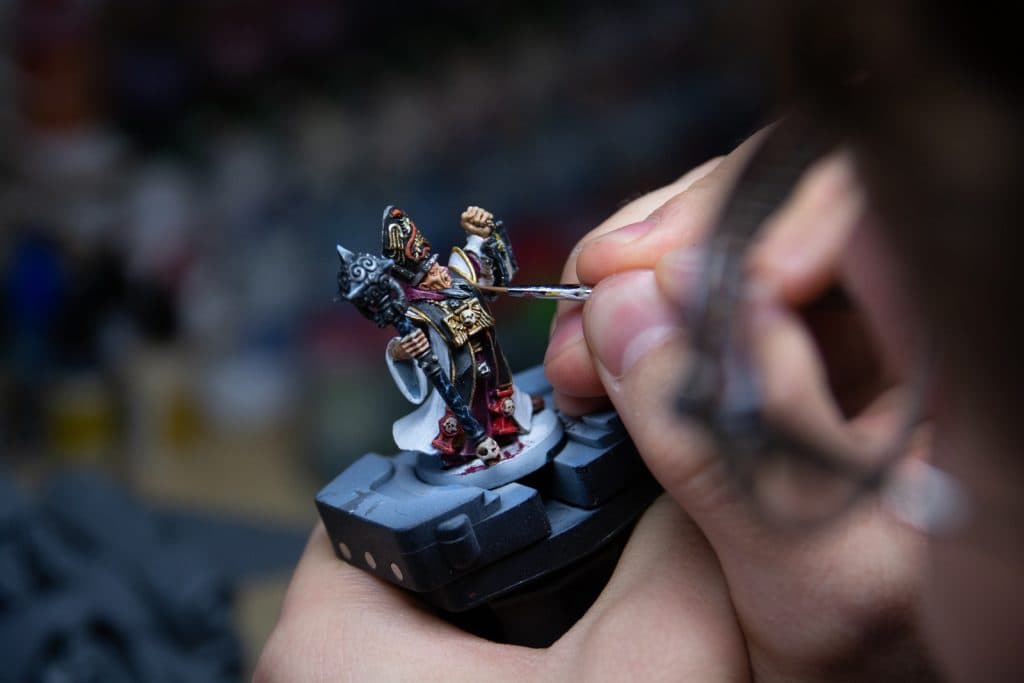
Getting models from sprue to gaming table quickly is a practical requirement for many players juggling commitments, and this reproducible workflow delivers consistent results with modest tools. Start by assembling and cleaning mold lines, removing flash and filling gaps quickly with a hobby knife and file, then prime in an efficient colour such as black or mid grey for contrast or white for very bright schemes. Use a rattle can or airbrush to speed that step and ensure even coverage.
Block in base colours using a mid tone for each area, thinning paints slightly so details remain crisp. A single all over wash such as Nuln Oil or Agrax Earthshade brings out recesses and creates quick depth; let the wash fully dry before proceeding. Layer back primary colours with one or two thin highlights, avoiding full white highlights. Apply speed highlights to silhouette edges and raised panels only, keeping the model readable at arm s reach.
Details like eyes, lenses, weapons and insignia take a small brush and a steady hand, but keep these elements minimal if time is tight. For weathering use a sponged on chipping method with a dark brown or black for random wear on leading edges. Add dust and rust with small amounts of pigments or very thinned orange or brown paint on lower legs, feet and exhausts, and create subtle vertical streaking by dragging thin diluted rust tones downward with a damp brush. Varnish sequence matters for durability and look, so apply an initial satin or gloss varnish to protect decals and metallics, then finish with a matte varnish to unify sheen.
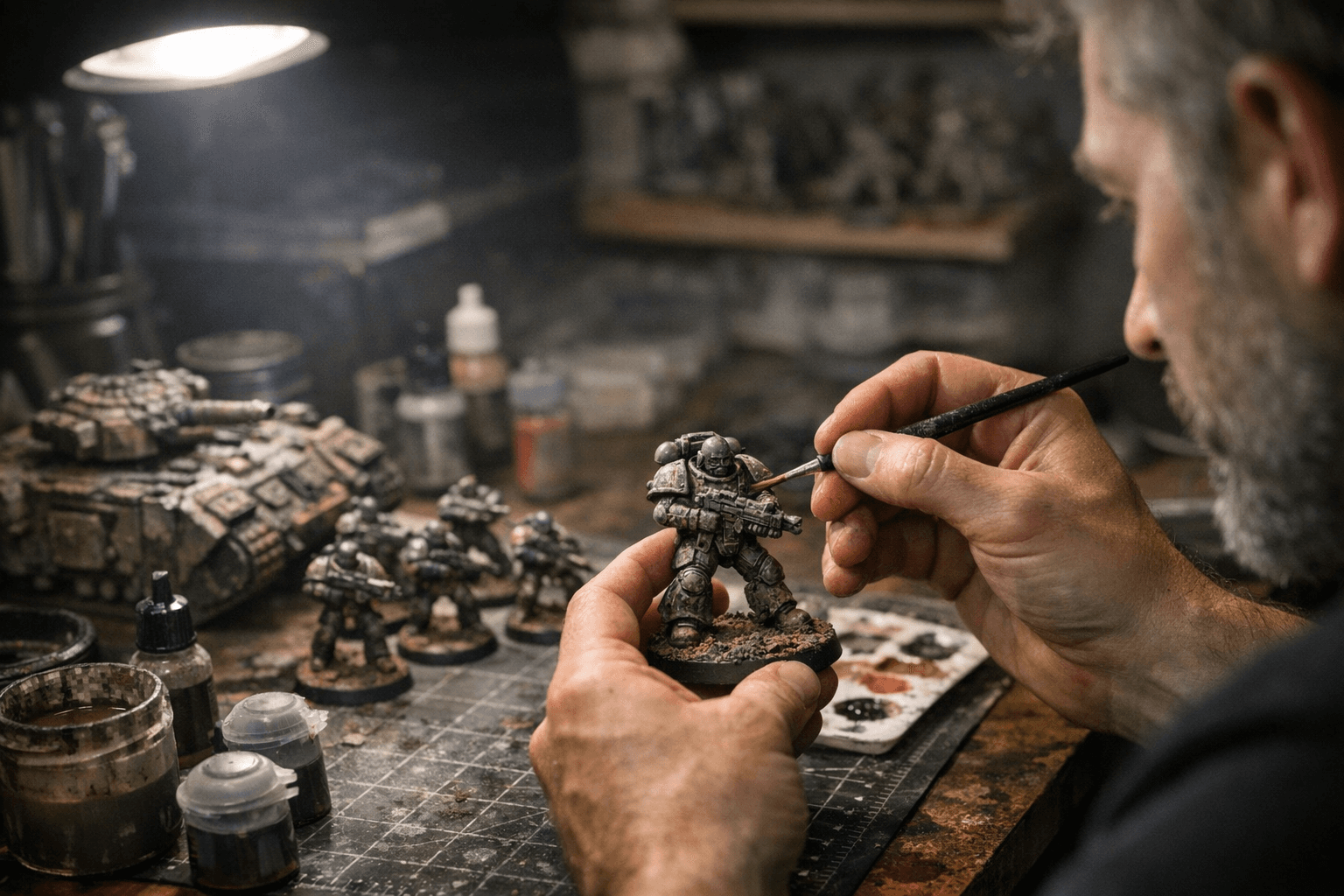
Bases sell the miniature, so keep the basing fast and effective. Texture the base, drybrush a highlight, add a wash, and then edge the rim to present a finished table ready model. Use contrast paints when you need ultra fast base and shade steps, prefer acrylic washes and water based pigments for easy cleanup, and limit your palette to speed decisions. Practice the sponge chipping technique and thin consistently, because reliable thinning is where time savings and neatness compound. This workflow helps you field attractive durable armies for play without the marathon painting sessions.
Know something we missed? Have a correction or additional information?
Submit a Tip