A Simple Gesture Bag Model Turns Porch Groceries Into Pantry Donations Nationwide
A Simple Gesture's bag model turns porch groceries into pantry donations nationwide, offering low-effort volunteer shifts and steadier supplies for local food pantries.
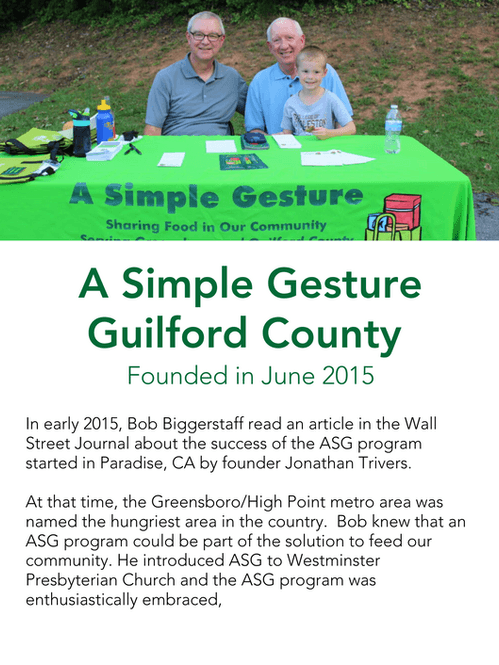
Neighborhood donors place a reusable green or red bag on their porch filled with nonperishables on scheduled pick-up days, and volunteer drivers collect and deliver the groceries straight to area food pantries. That simple, repeatable system - developed in Paradise, California by Jonathan Trivers - has grown into a nationwide network of local chapters that follow a standardized approach to turning everyday shopping into steady pantry stock.
A Simple Gesture began as a grassroots, neighbor-to-neighbor program to make donating nonperishable food easy and routine. Donors keep a cloth bag at home, add one or more items during regular shopping trips, and set the bag out for collection on an assigned day. Volunteer drivers pick up clustered donations and deliver them directly to partner food banks and pantries rather than routing through centralized warehouses. The model emphasizes reuse, predictability, and direct transfer to community partners.
For workers, the model changes both volunteering and food-bank logistics. The porch-to-pantry routine creates short, predictable volunteer shifts that fit around work schedules. Volunteer drivers can sign up for brief routes that take place on a single, scheduled day, making it easier for employees juggling jobs, caregiving, or shift work to contribute without committing to long-term shifts. For pantry staff and nonprofit coordinators, having donations arrive on scheduled days simplifies intake planning, reduces the need for immediate sorting and storage, and helps match donations to current inventory gaps.
Employers and human resources teams can leverage the program as a low-friction volunteer option for employee engagement and corporate social responsibility. The model requires minimal overhead: reusable bags, route coordination, and volunteer recruitment. Companies looking to build community ties or offer flexible volunteer opportunities can adopt the approach within existing employee volunteer programs or offer occasional paid volunteer hours for pickup drivers and pantry sorting.

The replication template matters: chapters adhere to the same basic elements - donor bags, scheduled pickups, volunteer drivers, and direct delivery to local pantries - which makes it simple for communities to launch their own local efforts without reinventing logistics. That uniformity also supports consistent volunteer training and predictable donor behavior, both valuable to food programs operating on tight budgets and limited staff time.
As more chapters appear across the country, the model offers a practical route for workers to contribute with minimal time commitments while helping pantries maintain steady, shelf-stable inventories. For employers, it represents an accessible, community-grounded way to expand volunteer options and support local food-security operations.
Sources:
Know something we missed? Have a correction or additional information?
Submit a Tip